

The Bright Guide to Fancy Canary Yellow Diamonds
What Is a Canary Diamond Yellow — and Why Does It Matter?

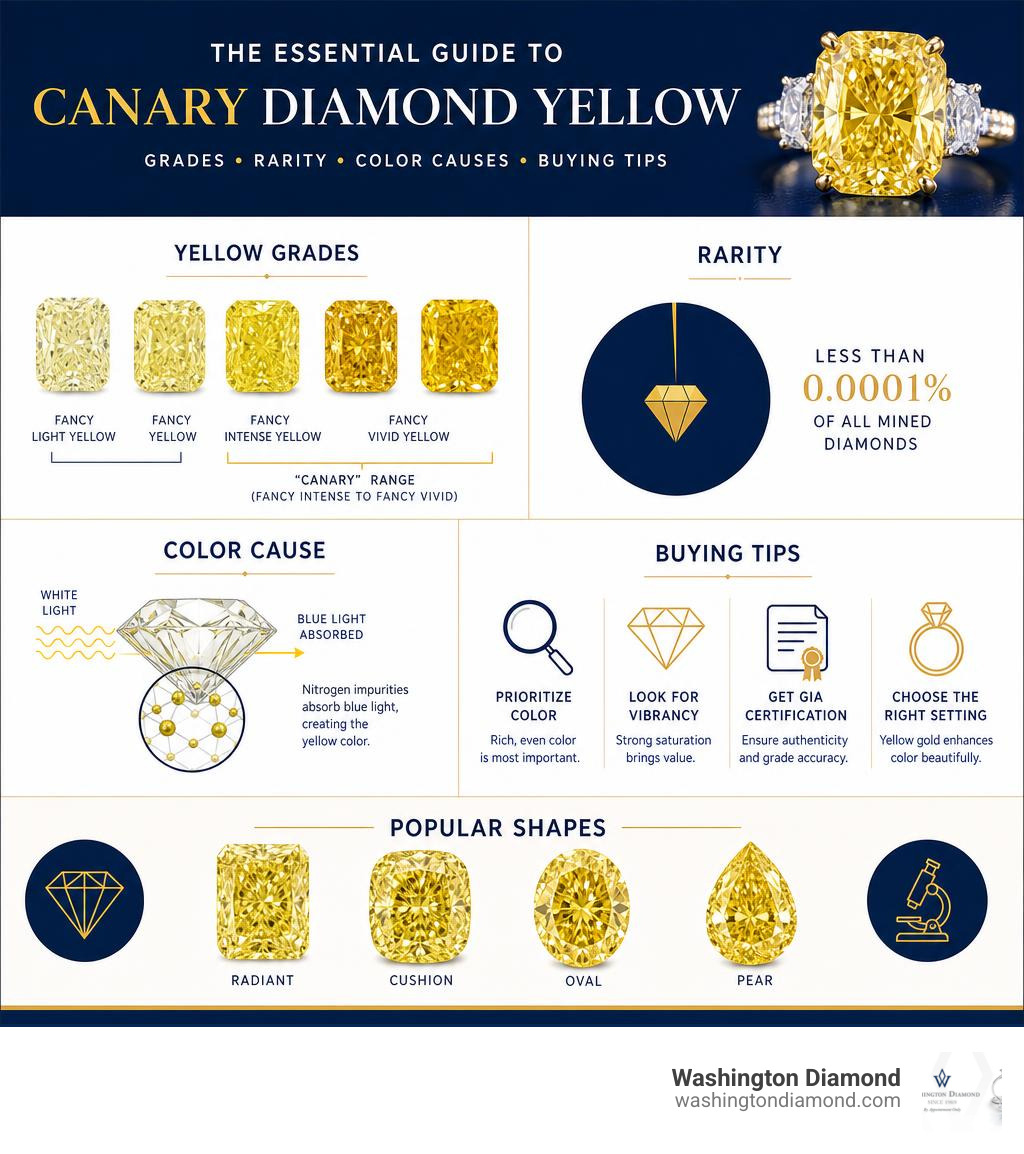
A canary diamond yellow is one of the most vivid and sought-after gemstones in fine jewelry. Here's a quick overview:
| Feature | Key Facts |
|---|---|
| Color cause | Nitrogen impurities absorb blue light, creating a yellow hue |
| GIA grades | Ranges from Fancy Light Yellow to Fancy Vivid Yellow |
| "Canary" meaning | Informal term for Fancy Intense or Fancy Vivid Yellow grades |
| Rarity | Less than 0.0001% of all mined diamonds |
| Price vs. colorless | Lighter grades can be comparable; Vivid grades command a premium |
| Most popular shapes | Radiant, cushion, oval, pear |
| Certification | Look for a GIA Colored Diamond Grading Report |
Most people think of diamonds as colorless. But fancy colored diamonds — especially vivid yellows — have quietly become some of the most desirable stones in jewelry.
The appeal is real. The Tiffany Yellow Diamond, one of the most famous gemstones ever found, weighs 128.54 carats and has been worn by icons like Audrey Hepburn and Beyoncé. Yellow diamonds were once considered flawed. Today, the most colored ones are more valuable than many colorless stones.
Whether you're exploring a yellow diamond for an engagement ring or a special anniversary gift, this guide covers everything you need to know — from how the color forms to what to look for when buying.
I'm Tom Daube, a GIA-certified diamond specialist with decades of experience helping clients find exceptional stones — including canary diamond yellow gems — at prices well below typical retail. I'll walk you through exactly what to look for so you can make a confident, informed choice.
What is a Canary Diamond Yellow Gemstone?
To understand the canary diamond yellow gemstone, we have to look deep into the earth where these stones are forged. At their core, yellow diamonds are natural diamonds composed of carbon. However, during their crystallization process billions of years ago, trace amounts of nitrogen became trapped inside the crystal lattice.
This nitrogen is the magic ingredient. When light passes through the gemstone, the nitrogen atoms absorb the blue portion of the visible light spectrum, reflecting back a warm, sunny yellow.
In the diamond trade, diamonds are broadly categorized. Colorless diamonds with faint traces of yellow or brown belong to the "Cape Series" (Type Ia diamonds). On the traditional D-to-Z color scale, a standard white diamond is prized for having no color (D). As you move down the alphabet toward Z, the presence of a yellow or brownish tint increases. Historically, these light yellow tints were viewed as defects that lowered a diamond's value.
However, once a diamond's color surpasses the Z grade, it crosses the threshold into the "Fancy Color" category. This is where a perceived flaw turns into an extraordinary asset. In fact, you can read more about how color and other variables shift over time in our article on The Shifting Sparkle: What Drives Diamond Values Through the Years.
In nature, fancy colored diamonds are incredibly rare. Yellow diamonds represent less than 0.0001% of all mined diamonds. While they are considered the most common of the fancy colored diamond family (which also includes ultra-rare pinks, blues, and greens), they are still exceptionally rare compared to standard colorless stones.
It is also important to note that "canary yellow" is not an official gemological term used by grading laboratories like the GIA (Gemological Institute of America). Instead, it is a colloquial trade term used to describe yellow diamonds of a particularly pure, vibrant, and highly saturated hue—reminiscent of the bright plumage of a canary bird. To explore the journey of how this stone evolved in the public eye, check out CANARY DIAMOND: From Flaw to Prized Yellow.
The GIA Color Grading Scale for Yellow Diamonds
When grading colorless diamonds, the goal is to evaluate the absence of color. With fancy yellow diamonds, the grading process is completely flipped: the goal is to evaluate the presence, intensity, and purity of the color.
The GIA uses a highly specialized color grading system for fancy colored diamonds. Rather than assigning a single letter, the GIA assesses the stone based on three main attributes:
- Hue: The primary color of the diamond (e.g., yellow).
- Tone: The relative lightness or darkness of the color.
- Saturation: The strength, purity, or depth of the color.
By combining these factors, the GIA places yellow diamonds into distinct intensity grades. The deeper and more saturated the yellow, the rarer and more valuable the diamond becomes.
| GIA Intensity Grade | Color Description | Relative Rarity & Value |
|---|---|---|
| Faint / Very Light | Subtle, barely-there yellow tint; often sits on the edge of the Z grade. | Most common; often priced lower than high-color white diamonds. |
| Fancy Light | A soft, pastel yellow. Elegant and bright. | Moderately rare; highly popular for budget-conscious buyers. |
| Fancy Yellow | A distinct, unmistakable yellow hue with balanced saturation. | Rare; the classic yellow diamond look. |
| Fancy Intense | A deep, vibrant, and highly saturated yellow. Often called "Canary." | Very rare; commands a significant price premium. |
| Fancy Vivid | The pinnacle of yellow diamonds. Extremely bright, rich, and pure yellow. | Extremely rare; represents the highest price per carat. |
| Fancy Deep / Dark | A rich, deeply saturated yellow, sometimes with a warmer, slightly golden or brownish undertone. | Rare; valued for its deep, dramatic tone. |
Understanding the Canary Diamond Yellow Intensity Grades
To truly be called a canary diamond yellow, a stone must typically fall into the Fancy Intense Yellow or Fancy Vivid Yellow categories. These two grades represent the absolute sweet spot of saturation.
In a Fancy Intense or Fancy Vivid stone, there is no mistaking the color. It does not look like a "dirty" white diamond; it looks like a drop of pure, liquid sunshine. Because these highly saturated stones are so difficult to find in nature, they command premium pricing.
A Fancy Vivid yellow diamond can easily cost twice or three times as much as a Fancy Light yellow diamond of the same carat weight and clarity. The market demand for these vibrant, eye-catching stones is consistently high, driven by their striking aesthetic appeal and their status as true collector's items.
How Secondary Hues Affect Canary Diamond Yellow Value
Very few natural diamonds are a 100% pure primary color. Most fancy yellow diamonds carry secondary color undertones, which can dramatically alter both the appearance and the market value of the stone.
The GIA notes these secondary colors on grading certificates using modifying terms. For example, a stone might be graded as a "Fancy Greenish Yellow" or a "Fancy Brownish Yellow."
- Greenish Yellow: Green is a highly desirable secondary hue. A touch of green can give the yellow a fresh, electric look and often maintains or slightly increases the stone's value. You can see an example of a treated variation of this color profile in this Canary Yellow Diamond (treated) 0.260ct loose (FANCY INTENSE GREENISH YELLOW*, SI-2).
- Orangy Yellow: Orange undertones add a warm, golden, honey-like quality to the stone. Because orange is also a rare diamond color, orangy-yellow diamonds are highly prized and can command excellent prices.
- Brownish or Grayish Yellow: Brown and gray are much more common in nature. Consequently, if a yellow diamond has a prominent brownish or grayish secondary hue, its market value will typically decrease. These stones are sometimes marketed under romantic names like "champagne" or "cognac," but from an investment standpoint, they are less valuable than pure canary yellows.
When shopping for a canary diamond yellow, the goal is usually to find a stone with a color description of "Fancy Intense Yellow" or "Fancy Vivid Yellow" with no modifying secondary colors listed on the GIA report. This ensures you are getting a pure, bright yellow hue.
Popular Shapes and Cuts for Yellow Diamonds
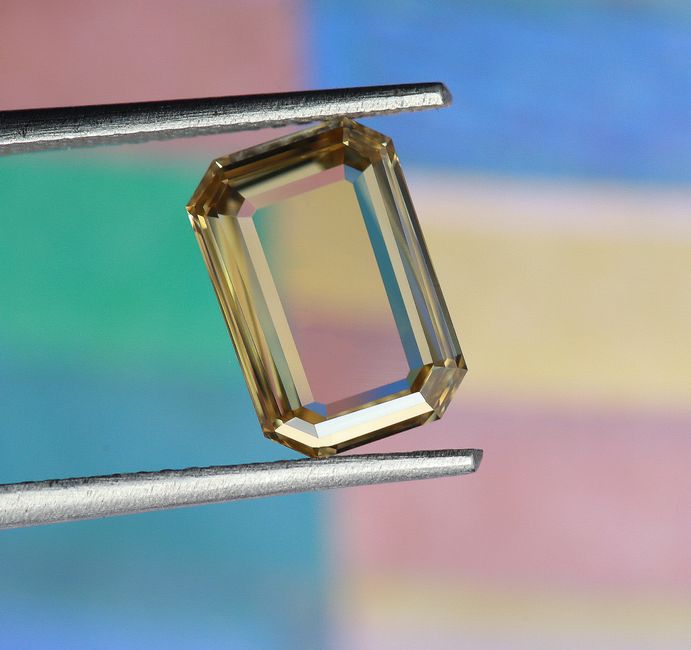
When cutting a colorless diamond, a master cutter's primary goal is to maximize sparkle and minimize any hint of color. This is why the round brilliant cut is so popular for white diamonds; its facet pattern is designed to return maximum light, which actually dilutes and hides body color.
For fancy yellow diamonds, the cutter's goal is the exact opposite. They want to intensify and pool the color within the stone. Because of this, you will rarely see a high-quality yellow diamond cut into a round brilliant shape. The round brilliant cut tends to dilute the yellow color, making it look lighter than it actually is.
Instead, yellow diamonds are almost always fashioned into fancy shapes. The most popular cuts include:
- Radiant Cut: The undisputed king of yellow diamond cuts. The radiant cut combines the elegant silhouette of an emerald cut with the brilliant facet pattern of a round diamond. Its deep pavilion and specific faceting encourage light to bounce around inside the stone, intensifying the yellow saturation.
- Cushion Cut: With its soft, rounded corners and romantic, vintage feel, the cushion cut is another exceptional choice for preserving and showcasing rich yellow color.
- Oval Cut: The oval cut offers a large surface area (giving it excellent visual presence for its carat weight) while beautifully concentrating the yellow hue. To see a stunning example of this shape, take a look at this GIA-certified 2.20 Ct. Canary Fancy Yellow Oval Cut Diamond Ring VVS1 Clarity ....
- Pear and Radiant Combinations: Pear shapes and modified radiant cuts are also highly effective at showcasing rich color. You can explore a beautifully set radiant option in this Radiant Fancy Yellow Canary Diamond Ring - Mystique Jewelers.
Choosing the right shape is a deeply personal decision that should reflect your individual style. For a deeper dive into matching shapes with personal styles, explore our guide on The Perfect Diamond Shape for Every Personality.
Natural vs. Lab-Grown and Treated Yellow Diamonds
As technology has advanced, the jewelry market in May 2026 offers several paths to owning a yellow diamond. Understanding the differences between natural, lab-grown, and treated stones is essential for making an informed purchase.
Natural Yellow Diamonds
These are the real deal—formed deep within the earth over billions of years and mined from the ground. They are incredibly rare, hold their value exceptionally well over time, and carry a unique geological history. Because of their rarity, they are also the most expensive option.
Lab-Grown Yellow Diamonds
Lab-grown diamonds are chemically, physically, and optically identical to natural diamonds. However, instead of forming in the earth, they are grown in controlled laboratory environments using methods like High Pressure High Temperature (HPHT) or Chemical Vapor Deposition (CVD).
During the growth process, scientists introduce nitrogen to create a vibrant yellow color. Lab-grown yellow diamonds are an excellent, eco-friendly, and highly affordable alternative to natural stones. They are often accompanied by reputable grading reports, such as those from the IGI, and carry certifications of eco-friendly origin.
For instance, you can find beautifully crafted lab-grown options like this 1.02 Ct | Radiant | Canary Yellow Color Lab Grown Diamond | SI1 Clarity | SKU 930028104 - Renaissance Lab Grown Diamonds & Jewelry or this uniquely styled 1.57 Ct | Renaissance Cut© | Canary Yellow Color Lab Grown Diamond | VS1 Clarity | SKU 900021215 - Renaissance Lab Grown Diamonds & Jewelry.
Treated Yellow Diamonds
These are natural diamonds that started as low-quality, poorly colored stones (often brownish or faint yellow) and underwent artificial treatments to enhance their color. The most common treatment is irradiation, which alters the crystal structure to produce a vibrant canary yellow hue. While treated diamonds are real diamonds, their color is artificially induced, meaning they are worth significantly less than natural, untreated fancy yellow diamonds.
Buying Guide: How to Choose and Value a Yellow Diamond

Buying a canary diamond yellow is a thrilling experience, but it requires a slightly different approach than buying a traditional colorless stone. Here is our step-by-step buying guide to help you find the perfect stone.
1. Prioritize Color Over Clarity
In colorless diamonds, clarity (the absence of internal inclusions) is highly prioritized. In fancy colored diamonds, color is king.
Because the rich yellow color naturally masks minor internal inclusions, you can often compromise on clarity to maximize your budget. A stone with a VS2 or SI1 clarity grade will look completely eye-clean to the naked eye while allowing you to allocate more of your budget toward a deeper, more vibrant color intensity.
2. Insist on a GIA Certificate
Never purchase a natural fancy yellow diamond without a GIA Colored Diamond Grading Report. This certificate is your only guarantee that the diamond's color is natural and untreated. The report will explicitly state whether the color origin is "Natural" or "Treated/Artificially Irradiated."
To understand why certification is so critical, check out our guide on Beyond the 4Cs: How to Choose Your Perfect Certified Loose Diamond.
3. Choose the Right Setting to Enhance the Color
The metal and setting you choose can make a dramatic difference in how your yellow diamond looks.
- Yellow Gold Prongs: Even if your ring band is made of platinum or white gold, we highly recommend setting the yellow diamond itself in 18k yellow gold prongs or a yellow gold basket. The yellow gold behind and around the stone reflects through the diamond, making the yellow color appear even richer and more saturated.
- Contrast with White Accent Diamonds: Surrounding your yellow diamond with a halo of small, colorless diamonds or placing white diamond side stones next to it creates a stunning contrast. The bright white of the surrounding diamonds makes the yellow center stone pop. You can see this design principle in action on this exquisite Yellow and Canary Diamond Rings | Washington DC VA MD.
4. Calculate the True Value
Determining the fair price of a yellow diamond involves balancing carat weight, color intensity, and overall cut quality. To help you navigate this process without overpaying, we recommend utilizing our tools:
- Calculate the Value of a Diamond Before You Buy or Sell
- How to Calculate Price of a Diamond
- Beyond the Bling: What a Diamond Price Chart Really Tells You
- The Diamond Value Calculator: Your Secret Weapon for Smart Buying
Frequently Asked Questions About Yellow Diamonds
Are yellow diamonds more expensive than colorless diamonds?
It depends entirely on the color intensity grade.
Because faint yellow diamonds are relatively common, a Fancy Light Yellow diamond can actually cost less per carat than a high-quality colorless diamond (such as a D or E color stone) of the same size and clarity. This makes lighter yellow diamonds an exceptional value for buyers who want a unique, colored stone without a massive price tag.
However, once you reach the Fancy Intense and Fancy Vivid "canary" grades, the rarity skyrockets. These highly saturated stones command a significant premium and are much more expensive than standard colorless diamonds.
To see how carat weight impacts pricing across different categories, review our Diamond Carat Chart with Price and learn How to Calculate Diamond Price per Carat.
Where do natural yellow diamonds come from?
Natural yellow diamonds are mined in several key locations around the world, most notably in South Africa, Australia, and Central Africa. South Africa is particularly famous for producing large, highly saturated yellow diamonds of exceptional quality.
Interestingly, yellow diamonds have also been found right here in the United States. The famous "Canary Diamond," an uncut 17.86-carat yellow stone, was discovered in 1917 at what is now the Crater of Diamonds State Park in Arkansas and was later donated to the Smithsonian Museum.
How do you care for a yellow diamond ring?
Caring for a yellow diamond is very similar to caring for a colorless diamond, but keeping it clean is even more important. Because yellow diamonds rely on light passing through the stone to showcase their rich color, any buildup of dirt, oil, or hand lotion on the back of the stone will block light and make the diamond look dull and dark.
- Regular Cleaning: Soak your ring in warm water with a few drops of mild dish soap for 10 to 15 minutes. Gently brush the stone—especially underneath the setting—with a soft-bristled toothbrush to remove dirt. Rinse thoroughly and pat dry with a lint-free cloth.
- Professional Inspection: We recommend having your ring professionally inspected and cleaned every six months. This ensures the prongs holding your precious yellow diamond remain tight and secure.
- Avoid Harsh Chemicals: Take your ring off when cleaning with harsh household chemicals, swimming in chlorinated pools, or applying heavy lotions.
Conclusion
A canary diamond yellow is more than just a piece of jewelry—it is a brilliant, joyful statement of individuality and timeless elegance. Whether you prefer the soft pastel tones of a Fancy Light Yellow or the electric, head-turning brilliance of a Fancy Vivid Canary, these unique gemstones offer a beautiful alternative to traditional colorless diamonds.
At Washington Diamond, we specialize in helping you celebrate life’s most meaningful moments. Located in Northern Virginia, our private, appointment-only studio is designed to offer you undivided attention and a highly personalized, pressure-free experience. We will work with you one-on-one to source the perfect loose yellow diamond and design a custom setting that brings its natural beauty to life.
Ready to start your journey? Contact us today to schedule your private consultation, or explore our Loose Diamonds Complete Guide to learn more about selecting the perfect stone.
Have a question about your jewelry?
We've been helping clients with diamonds, custom design, repairs, appraisals, and more since 1969. Book a private appointment at our Falls Church studio.
Book an AppointmentTrusted since 1969 · Falls Church, VA · 703-536-3600
From the blog
View all


