

Compare 2 Carat Diamond Prices: A Complete Guide
What Does a 2 Carat Diamond Cost?
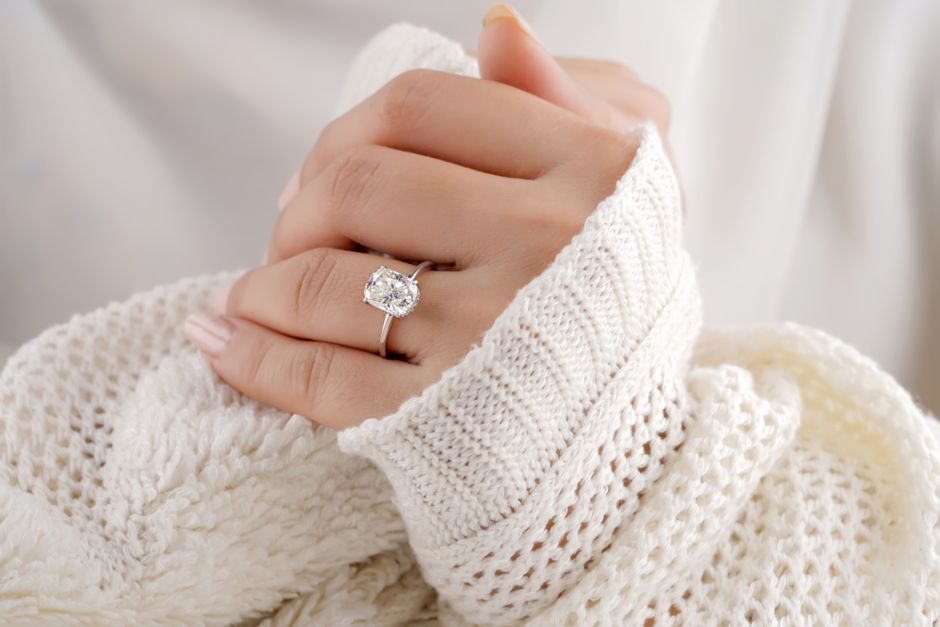
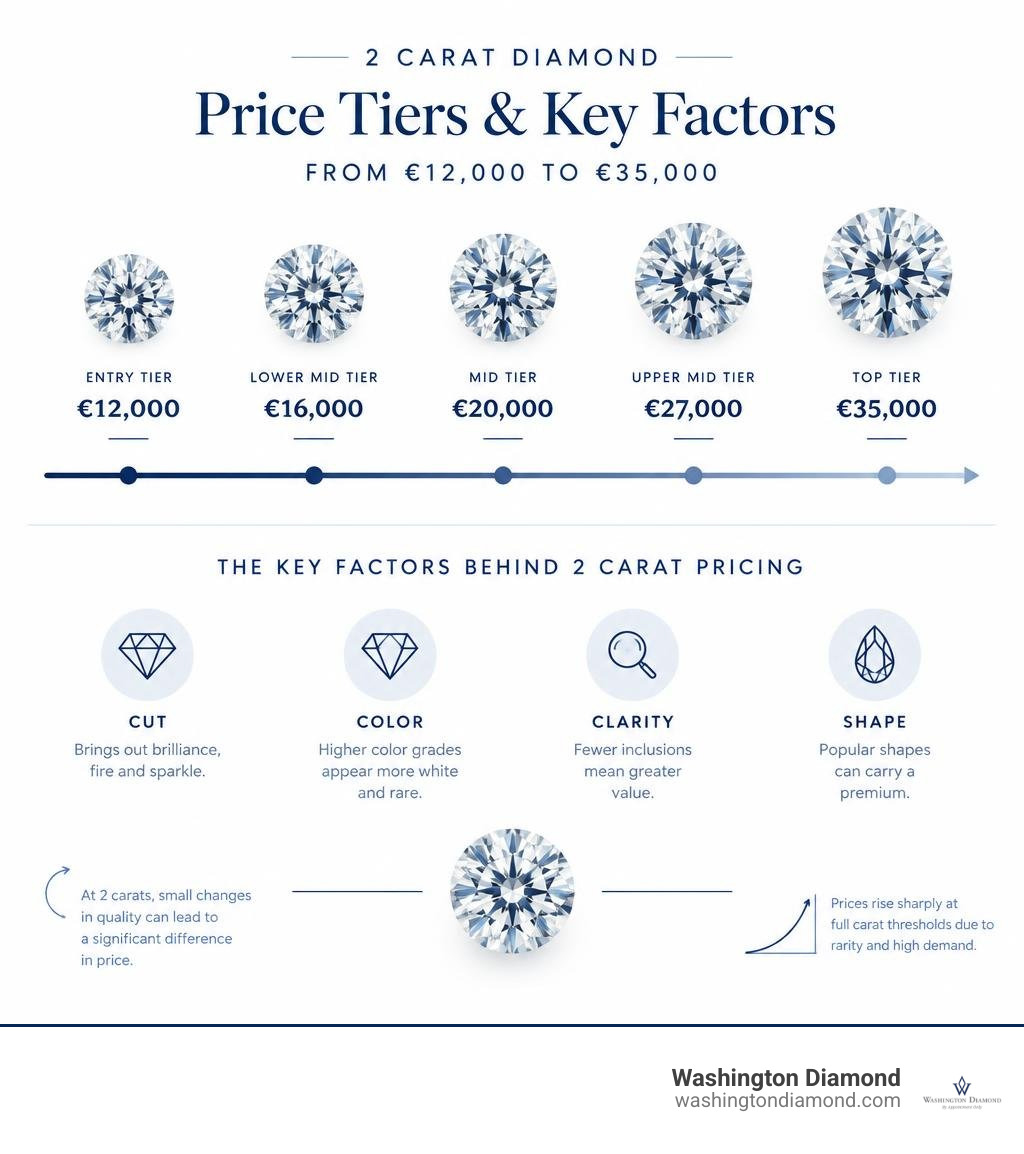
A 2 carat natural diamond can cost about €12,000 to €35,000 in Antwerp, depending on its cut, color, clarity, and shape. That is a useful starting range, not a fixed price or a quote for every market. A well-cut, eye-clean stone may offer better value than a higher-graded diamond whose differences you cannot see.
Prices also rise sharply at the 2 carat mark. In this guide, we will look at what drives that jump, how to compare stones, and what to check before you buy.
I'm Tom Daube. My work with GIA-graded diamonds, jewelry design, and diamond recutting has taught me that 2 carat diamond pricing makes more sense when you compare beauty and quality alongside the number on the tag.
Understanding 2 Carat Diamond Pricing and Market Averages
Diamond valuation does not follow a straight, linear line. Instead, it moves along an exponential curve. When a diamond reaches full carat thresholds—such as 1.00, 1.50, and especially 2.00 carats—the price per carat jumps dramatically.
Large, gem-quality rough diamonds are exceptionally rare in nature. Finding a crystal large and clean enough to yield a finished 2.00-carat polished gem requires mining and sorting through tons of earth. Because supply drops steeply while global demand for 2 carat stones remains consistently high, market benchmark pricing reflects this rarity premium.
To help you navigate current market levels as of October 2026, here is an overview comparing estimated price ranges for a natural 2 carat round brilliant diamond across various color and clarity combinations:
| Color Grade | Clarity Grade | Estimated Price Range (USD) | Visual Characteristics |
|---|---|---|---|
| D–F (Colorless) | FL–IF (Flawless/Internally Flawless) | $38,000 – $65,000+ | Museum-grade rarity, completely pure under 10x magnification |
| D–F (Colorless) | VVS1–VVS2 (Very, Very Slightly Included) | $28,000 – $42,000 | Pristine white, microscopic inclusions invisible to the naked eye |
| D–F (Colorless) | VS1–VS2 (Very Slightly Included) | $22,000 – $32,000 | Excellent balance of icy white color and eye-clean clarity |
| G–H (Near Colorless) | VS1–VS2 (Very Slightly Included) | $16,000 – $24,000 | The industry "sweet spot"—looks colorless face-up in platinum or gold |
| G–H (Near Colorless) | SI1–SI2 (Slightly Included) | $12,000 – $18,000 | Great value tier; requires careful inspection to ensure eye-cleanliness |
| I–J (Near Colorless / Warm) | VS1–SI1 (Eye-Clean Range) | $9,500 – $15,000 | Pairs beautifully with yellow or rose gold settings; maximum size value |
To explore current pricing models for loose stones based on specific grade criteria, you can explore our interactive diamond price calculator or track live market indexes across platforms like StoneAlgo's 2 carat colorless diamond prices.
How the 4Cs Impact 2 Carat Diamond Pricing
Every component of the Four Cs (Cut, Color, Clarity, Carat Weight) directly shapes market value, but they do not contribute equally to how stunning the diamond looks on your finger.
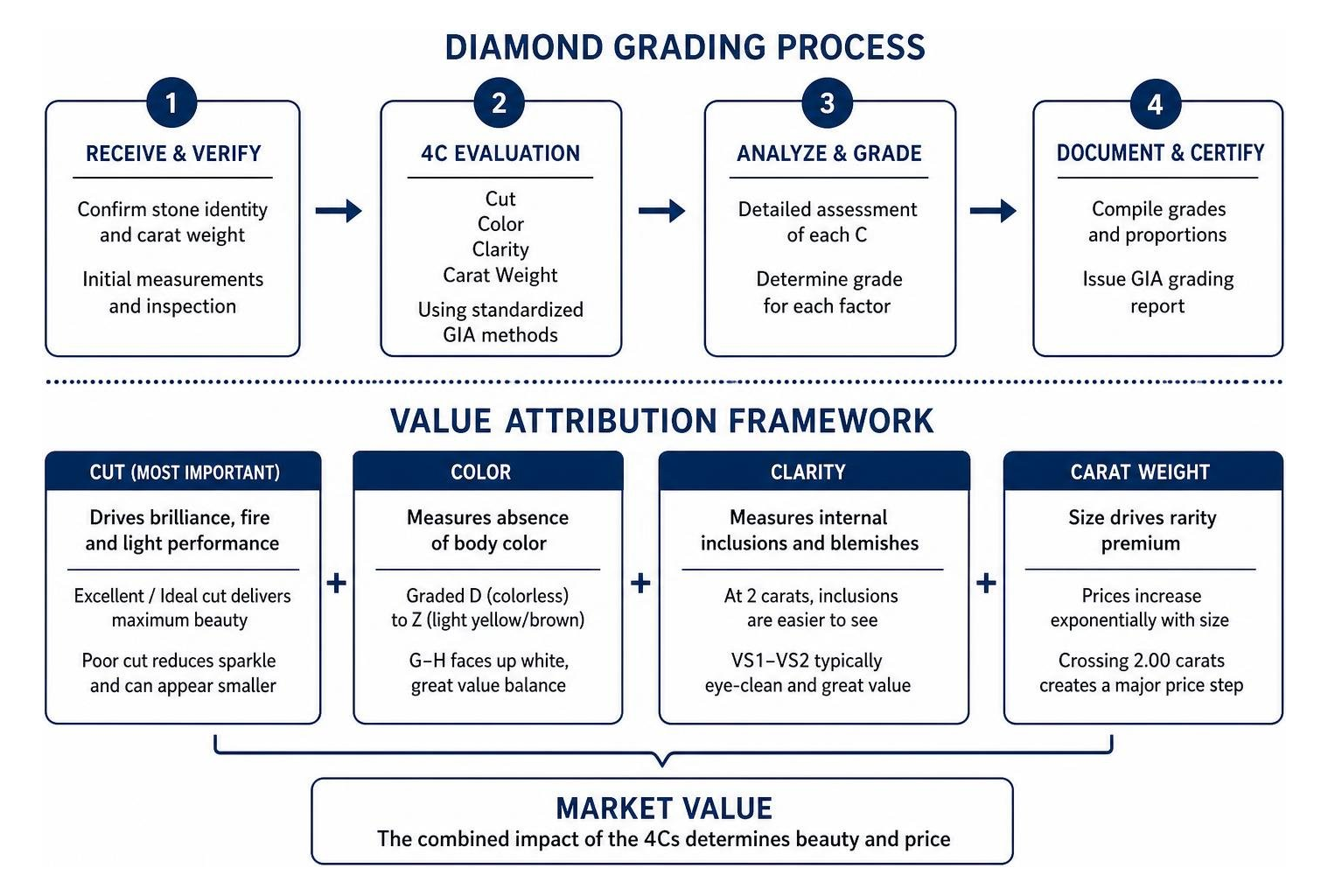
- Cut Precision: Cut is the single most important factor determining a diamond's visual performance, fire, and brilliance. An "Ideal" or "Excellent" cut directs light straight back through the top of the stone rather than letting it leak out the sides or bottom. A poorly cut 2 carat diamond will look lifeless, dull, and can even appear physically smaller than a well-cut 1.80-carat stone.
- Color Grading: Color measures the absence of body color, graded from D (colorless) to Z (light yellow or brown). While D-color stones command top-dollar premiums, grades in the G to H range face up bright and white to the naked eye, allowing you to reallocate budget toward cut precision.
- Clarity Thresholds: Clarity assesses internal inclusions and surface blemishes. At the 2 carat mark, the diamond's table (the flat top surface) is significantly larger than that of a 1 carat stone, making inclusions easier to spot. However, VS1 and VS2 grades generally provide completely eye-clean stones without the staggering price tag of Flawless grades.
- Carat Weight Premium: Because diamond pricing scales on a "per carat" basis that increases with stone size, crossing from 1.90 carats to 2.00 carats represents a notable pricing step. If you want to dive deeper into how grading laboratories evaluate these factors, review our comprehensive GIA certified diamond pricing.
Diamond Shape and Cut Style Variations
While round brilliant diamonds are timeless classics, fancy shape diamonds offer distinct aesthetic appeal and financial advantages.
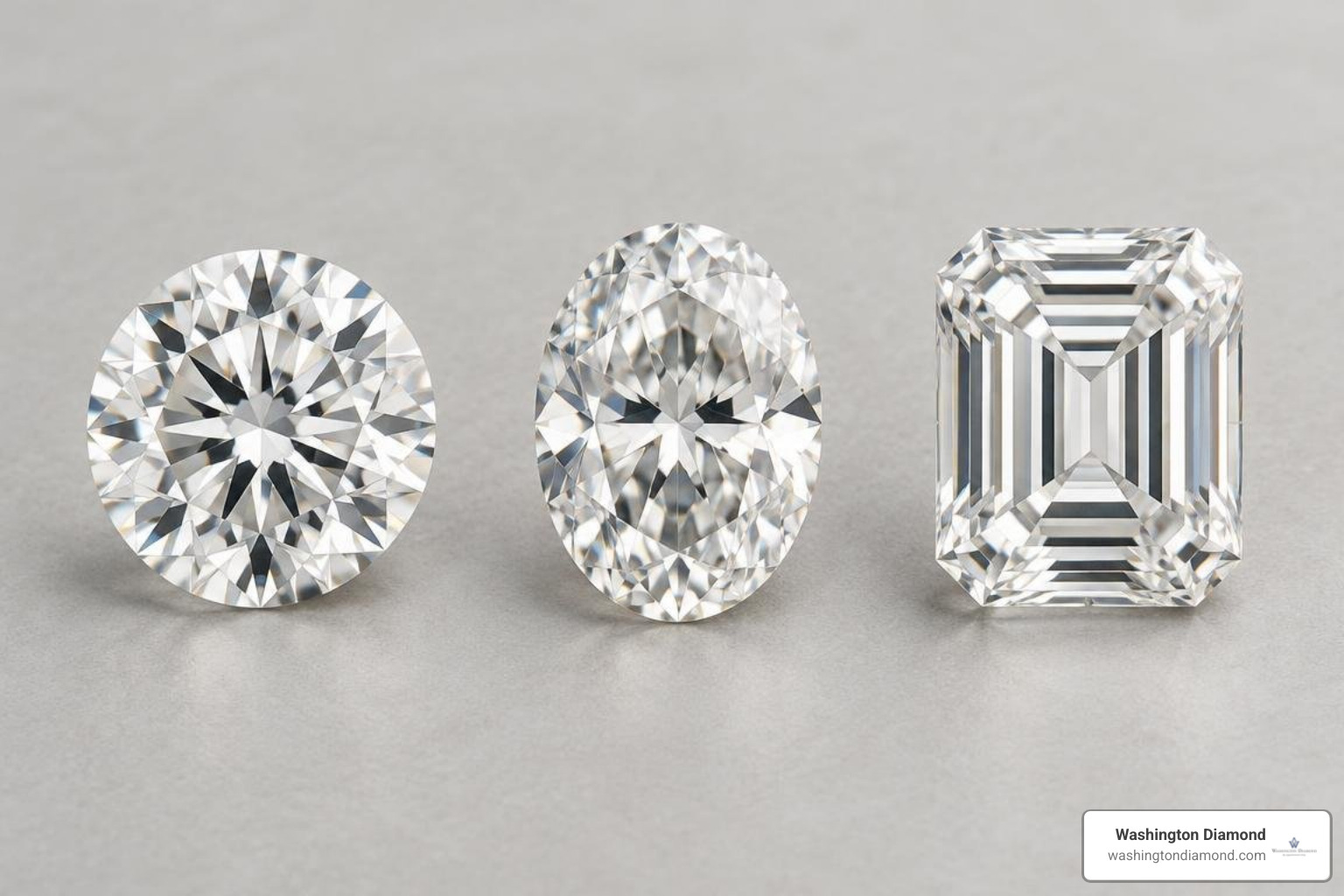
Round brilliant diamonds command the highest market premium because cutting a round stone results in the highest rough diamond wastage (often over 50% of the raw crystal). In contrast, fancy shapes utilize rough crystals more efficiently, passing cost savings to the buyer.
- Oval Cuts: Elongated shapes distribute weight across a greater surface area. A 2 carat oval natural diamond ring often appears up to 10% larger face-up than a round diamond of identical carat weight, while costing 15% to 25% less. You can learn more about silhouette variations in our oval cut diamond guide.
- Emerald Cuts: These step-cut diamonds prioritize clarity and vintage elegance over brilliant sparkle. An emerald cut highlights hall-of-mirrors reflections, making clarity selection essential. Review our emerald cut engagement rings guide for optimal proportions.
- Cushion and Pear Cuts: These shapes offer unique vintage flair and brilliant light dispersion, frequently priced well below equivalent round brilliants.
Beyond the 4Cs: Hidden Cost Drivers in 2 Carat Diamonds
Beyond the main certificate grades, several subtle factors influence diamond pricing:
- Fluorescence: Fluorescence refers to a diamond's tendency to emit a soft glow under ultraviolet light. Medium to strong blue fluorescence often triggers a 5% to 15% market discount. In faint yellow stones (I–J colors), faint or medium blue fluorescence can actually counteract yellow undertones and make the stone look whiter in natural daylight without causing milkiness.
- Table and Depth Ratios: Proportions matter. If a stone is cut too deep, its carat weight is hidden in the pavilion (bottom), making it look like a smaller 1.75-carat stone. If cut too shallow, it suffers from "fisheye" reflections and light leakage.
- Polish and Symmetry: Rated from Poor to Excellent, these details affect how seamlessly light passes through the facets. We always recommend stones with Excellent polish and symmetry.
- Laboratory Certification Standards: Not all grading laboratories apply identical standards. GIA (Gemological Institute of America) and HRD Antwerp maintain rigorous, globally recognized grading criteria. Less stringent labs may grade a color or clarity step higher than GIA would, creating an illusion of a discount that is not real. For further guidance on decoding wholesale matrices, see our article on understanding diamond price charts.
Natural vs. Lab-Grown Cost Dynamics
Over recent years, lab-grown diamonds have gained significant attention. Chemically, physically, and optically identical to mined diamonds, lab-created gems are produced via High Pressure High Temperature (HPHT) or Chemical Vapor Deposition (CVD) methods.
The primary difference lies in rarity and production scalability:
- Price Differential: A top-tier 2 carat lab-grown diamond can cost 80% to 90% less than an equivalent mined natural diamond.
- Long-Term Value Retention: Natural diamonds hold inherent value rooted in geologic scarcity and global trade liquidity. Lab-grown diamonds, benefiting from continuous advancements in manufacturing efficiency, continue to drop in production cost.
If you are evaluating modern options, our guide to buying man made diamonds breaks down the creation process, while our lab-grown diamond pricing guide details current price trajectories.
Smart Strategies for Verifying Authenticity and Maximizing Value
Investing in a 2 carat diamond requires careful verification and thoughtful strategy.
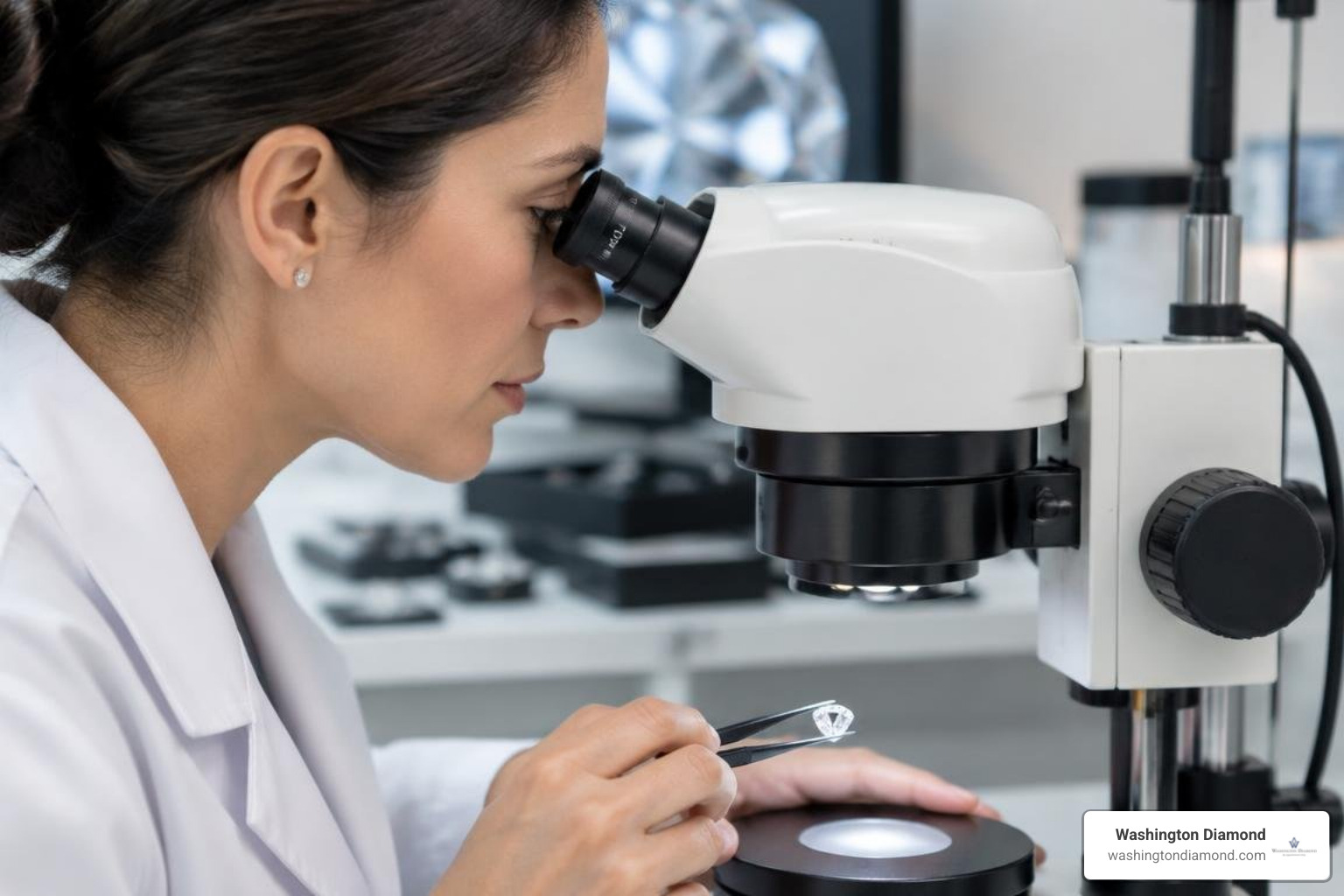
- Verify Independent Certification: Never buy an uncertified diamond or rely solely on an in-house retailer appraisal. Ensure your stone has an independent report from a reputable laboratory like GIA. Cross-reference the unique report number with the lab's online database and verify that the laser inscription on the diamond's girdle matches the certificate.
- Inspect for Eye-Cleanliness in Person: High-resolution digital plots are helpful, but grading reports do not show where inclusions sit visually. A diamond with a tiny inclusion hidden under a prong on the side offers far better value than one with a black crystal right in the center of the table. Working with a private jeweler allows you to examine stones under diverse lighting environments.
- Prioritize Cut Over Pure Color or Clarity: A diamond with an Excellent cut, G color, and VS2 clarity will outshine an poorly cut D-color Flawless diamond every single time—and cost significantly less.
- Choose Setting Styles That Complement Your Stone: Your setting choice influences diamond presentation. A delicate halo can enhance the perimeter footprint, while classic styles like a cathedral engagement setting or 3 stone cathedral setting elevate the diamond profile and balance side-stone proportions.
Frequently Asked Questions about 2 Carat Diamonds
What is the average price range for a 2 carat natural diamond?
In general retail markets, a quality natural 2 carat diamond suitable for fine jewelry typically costs between $14,000 and $35,000. Entry-level stones with visible inclusions or lower color grades can start around $9,000 to $12,000, while rare, museum-quality (D/FL) stones can exceed $60,000 to $70,000. For most clients, excellent visual value is found between $16,000 and $22,000.
Are 2 carat diamonds cheaper to buy in Antwerp than in the US?
Antwerp remains a historic diamond hub, processing roughly 80% of the world's rough diamonds. While baseline wholesale prices in Antwerp for 2 carat stones range from €12,000 to €35,000, buying abroad does not always mean lower total costs for US travelers.
When you factor in international travel expenses, currency exchange rate markups, payment wire fees, and potential customs declarations upon re-entry, the price difference narrows significantly. US buyers can often find comparable value, superior consumer protection, and personalized aftercare by working directly with an established local private jeweler. For background on the European market, consult Wise's guide on buying diamonds in Antwerp.
How can buyers avoid overpaying for a 2 carat diamond?
To maximize value on a 2 carat diamond:
- Stay in the "Near-Colorless" sweet spot (G–H): These stones look bright white once set in jewelry.
- Select eye-clean VS2 or curated SI1 clarity: Avoid paying high premiums for microscopic differences in VVS or Flawless grades.
- Demand an Excellent cut grade: Do not compromise on cut proportions, as cut creates the sparkle that hides minor inclusions and mask body color.
- Consider fancy shapes: Shapes like oval, pear, or emerald cuts offer lower price-per-carat points and larger face-up appearances than traditional rounds.
Conclusion
Finding the ideal 2 carat diamond is an art of balancing proportion, optical performance, and budget. Rather than chasing arbitrary grades on paper, the smartest approach focuses on maximizing visual beauty where it counts.
At Washington Diamond, we believe buying an important diamond should be personal, unhurried, and transparent. In our private, appointment-only Northern Virginia studio, we provide undivided attention, guiding you through hand-curated diamond selections side-by-side under gemological magnification. Whether you are designing a bespoke engagement ring from scratch or exploring heirloom upgrades, we ensure you make your decision with complete confidence.
Ready to explore your options? You can begin by searching our curated diamonds, creating a one-of-a-kind setting through our custom jewelry design studio, or reading our in-depth guide on decoding 2 carat diamond pricing. Schedule your private appointment with our gemologists today.
Have a question about your jewelry?
We've been helping clients with diamonds, custom design, repairs, appraisals, and more since 1969. Book a private appointment at our Falls Church studio.
Book an AppointmentTrusted since 1969 · Falls Church, VA · 703-536-3600
From the blog
View all


