

Fine Jewelry Terms Demystified
Understanding Fine Jewelry: What Sets It Apart
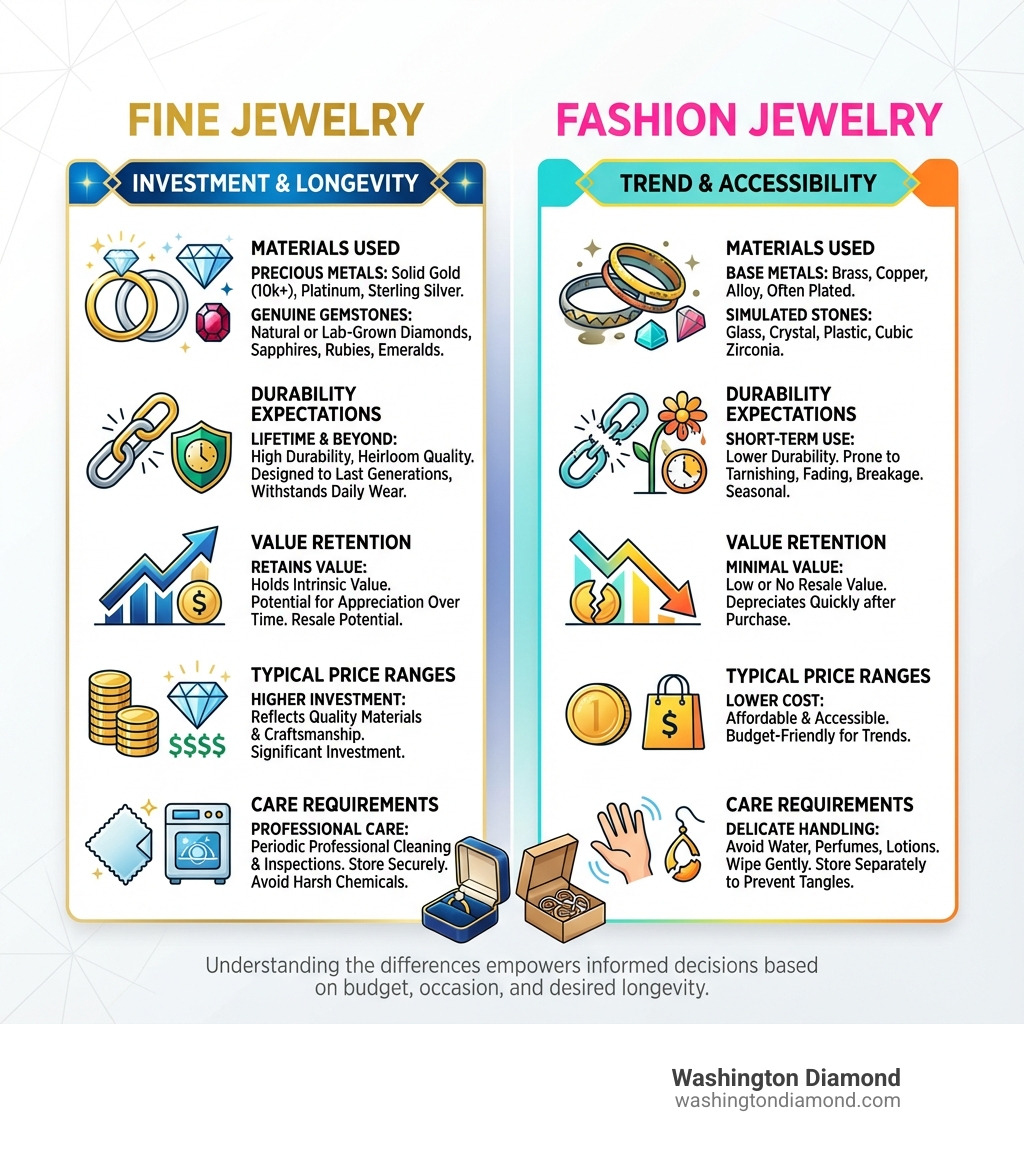
Fine jewelry is jewelry crafted from precious metals like gold, platinum, or sterling silver and set with genuine gemstones such as diamonds, sapphires, emeralds, or rubies. Unlike fashion jewelry, which uses base metals and simulated stones, fine jewelry is designed to last a lifetime and often becomes a treasured heirloom.
Key Characteristics of Fine Jewelry:
- Precious Metals: Made from solid gold (10k-24k), platinum, or sterling silver—never plated or filled
- Genuine Gemstones: Features natural or lab-grown stones with real value and durability
- Superior Craftsmanship: Expertly designed and constructed to withstand daily wear
- Lasting Value: Retains or appreciates in value over time due to quality materials
- Heirloom Quality: Built to be passed down through generations
Understanding what defines fine jewelry helps you make confident choices for significant moments like an engagement, anniversary, or milestone celebration. The difference isn't just price; it's an investment in something that will maintain its beauty and meaning for decades.
Industry standards dictate that fine jewelry pieces are typically set in a minimum of 10-karat gold and use certified gemstones. Many jewelers also focus on sustainability, crafting pieces from recycled gold with ethically sourced stones.
The terms, materials, and quality markers in fine jewelry can feel overwhelming. But once you understand the basics—from gold karats to gemstone certifications—you'll recognize authentic quality and find pieces that truly resonate with your personal style and values.
The Building Blocks: Precious Metals and Gemstones
The foundation of any exquisite fine jewelry piece lies in its materials. We're talking about precious metals and genuine gemstones—the elements that give jewelry its inherent value, dazzling beauty, and lasting durability. Understanding these components is crucial to appreciating the artistry and investment potential of fine jewelry.
What Defines a Precious Metal?
Precious metals are rare, naturally occurring metallic chemical elements that have high economic value. In fine jewelry, these metals are chosen for their luster, malleability, and resistance to corrosion.
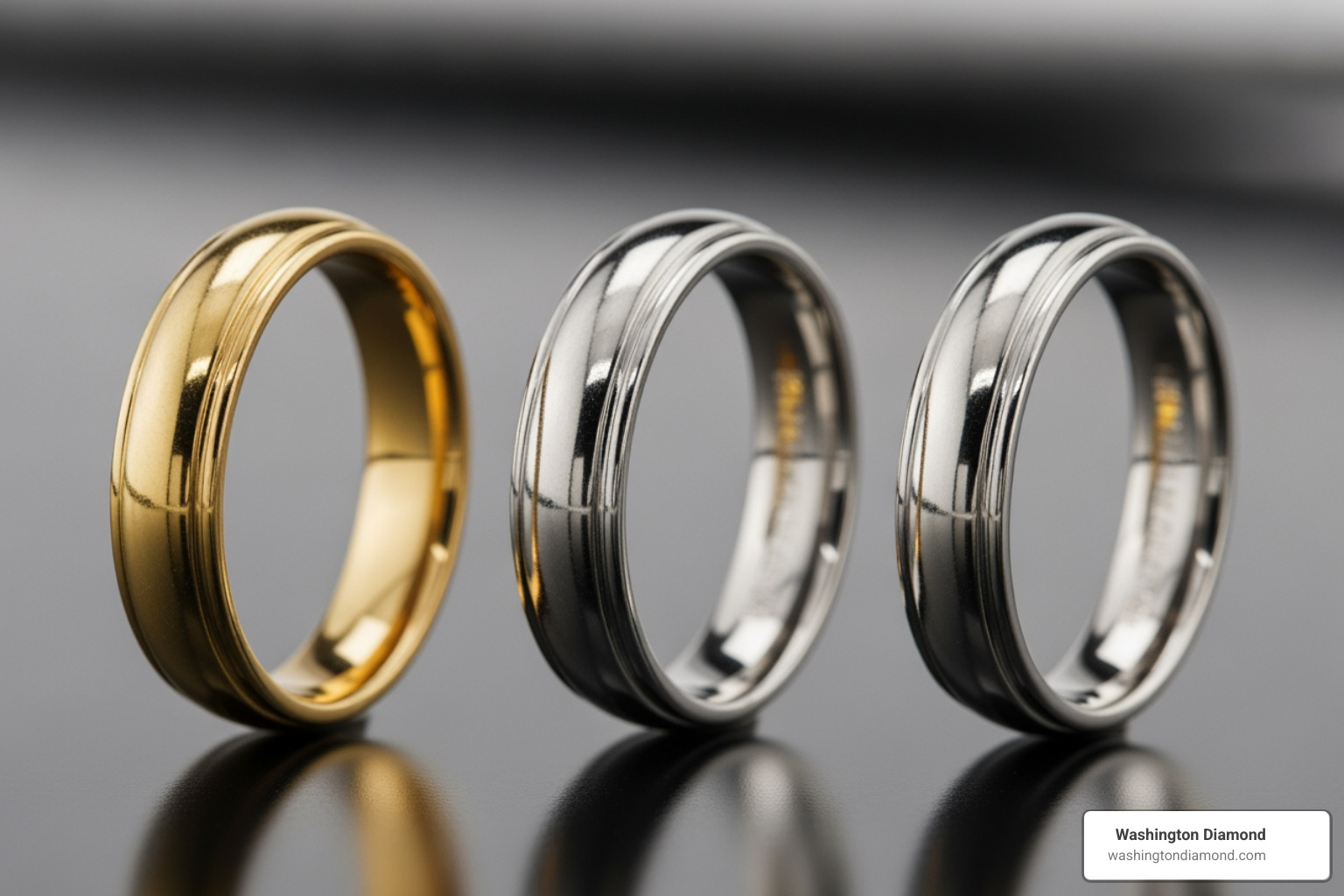
Let's explore the most common ones:
-
Gold Gold has been cherished for millennia, symbolizing wealth, power, and everlasting love. Pure gold, known as 24-carat gold, is incredibly beautiful but also very soft and malleable. This means it's too soft for everyday wear in jewelry, as it would easily scratch and deform. This is why most gold jewelry isn't pure 24-carat gold.
-
Karats (10k, 14k, 18k, 24k): To make gold more durable for jewelry, it's mixed with other metals, creating an alloy. The "karat" system tells us the proportion of pure gold in the alloy. It's measured on a scale of 24 parts:
- 24k gold is 100% pure gold.
- 18k gold contains 18 parts gold and 6 parts other metals (75% pure gold).
- 14k gold contains 14 parts gold and 10 parts other metals (58.3% pure gold).
- 10k gold contains 10 parts gold and 14 parts other metals (41.7% pure gold). The higher the karat, the higher the percentage of pure gold. Fine jewelry is typically a minimum of 10k gold, never gold-filled or gold-plated, ensuring a high standard of quality.
Alloys: These other metals (like copper, silver, zinc, palladium) are added to increase hardness and durability, ensuring both beauty and resilience.
-
Gold Colors (Yellow, White, Rose, Beige): The type of metal alloyed with gold also determines its final color.
- Yellow Gold: Traditionally achieved by mixing pure gold with silver and copper.
- White Gold: Typically created by alloying pure gold with white metals like palladium and silver, then often plated with rhodium for a brighter, whiter finish.
- Rose Gold: Made by alloying pure gold with a higher proportion of copper, giving it a warm, pinkish hue.
- Beige Gold: Some luxury jewelers have even developed proprietary gold alloys to offer a distinctive radiance and unique color palette, adding another dimension to fine jewelry design.
-
-
Platinum Platinum is a naturally white, incredibly dense, and highly durable precious metal. It's a popular choice for fine jewelry, especially for engagement rings, because of its strength and inherent beauty.
- Properties: Platinum is hypoallergenic, making it an excellent choice for those with sensitive skin. Its density means it's extremely durable and resistant to tarnish.
- Durability: While gold can scratch, platinum tends to displace rather than lose metal, which means it develops a beautiful patina over time rather than wearing away. This makes it an ideal choice for pieces meant to last a lifetime.
-
Sterling Silver Sterling silver is an alloy containing 92.5% pure silver and 7.5% other metals, usually copper. It's a popular choice for fine jewelry due to its bright luster and affordability.
- Affordability: Sterling silver is the most affordable precious metal, allowing for beautiful designs at a more accessible price point.
- Care: With proper care, sterling silver can last for decades. However, it can tarnish over time due to exposure to air and chemicals. Regular cleaning and proper storage are key to maintaining its shine.
To help you compare, here's a quick overview of these precious metals:
| Feature | Gold (10k-18k) | Platinum | Sterling Silver |
|---|---|---|---|
| Durability | Good (varies by karat, 14k/18k are strong) | Excellent (very dense, resistant to wear) | Good (can scratch and tarnish) |
| Cost | Moderate to High (depends on karat and weight) | High (rarer and denser than gold) | Low to Moderate (most affordable) |
| Maintenance | Low (polishing to maintain shine) | Low (polishing to maintain luster) | Moderate (regular cleaning to prevent tarnish) |
| Properties | Versatile in color, malleable, classic | Hypoallergenic, naturally white, strong | Bright luster, malleable, can tarnish |
Primary Gemstones in Fine Jewelry
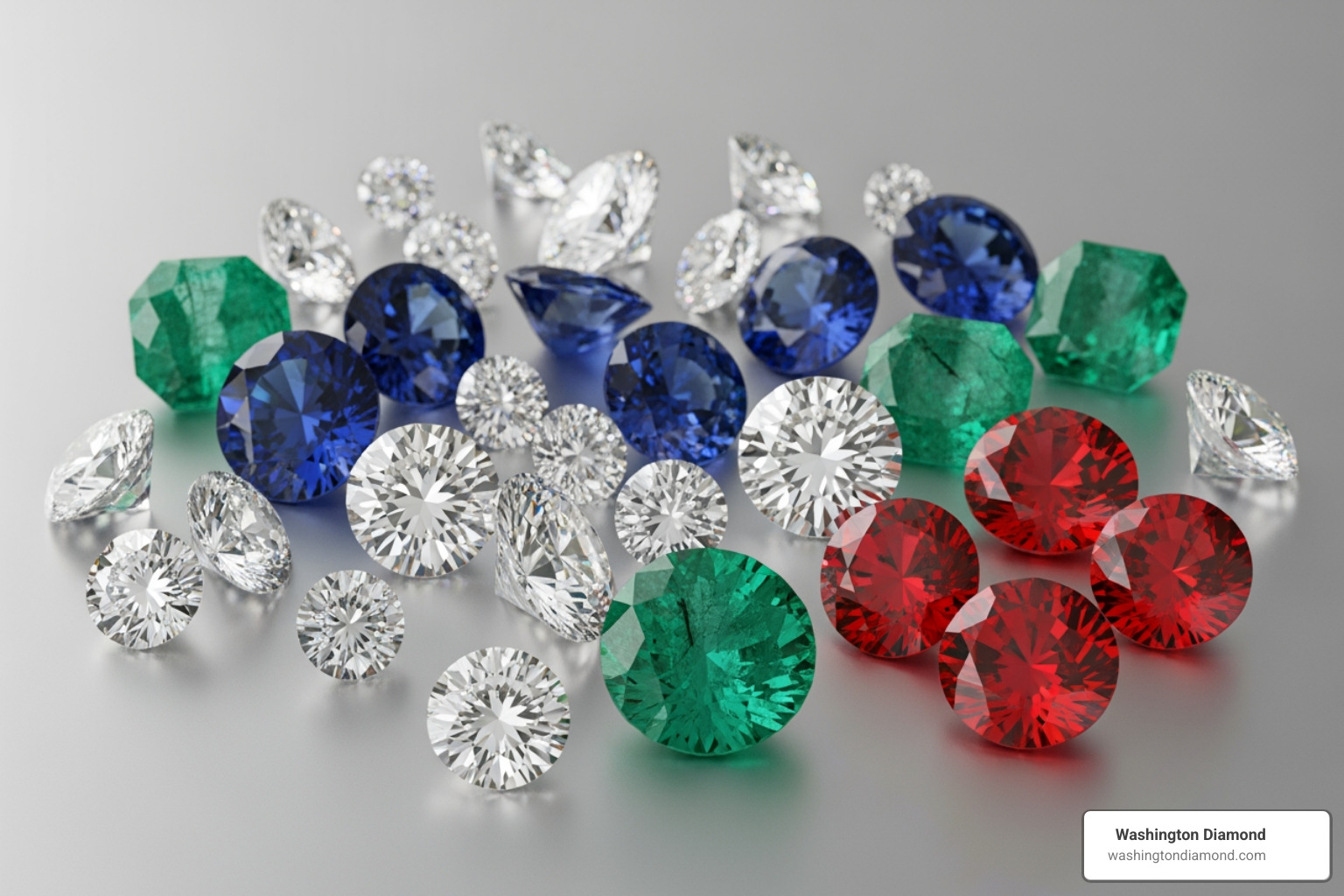
Beyond the metal, gemstones are the heart and soul of fine jewelry, each telling its own unique story with its color, brilliance, and rarity. While there's a vast spectrum of beautiful stones, some stand out as the "Big Four" and form the cornerstone of classic fine jewelry.
-
The "Big Four" Gemstones: Diamonds, Sapphires, Emeralds, and Rubies. These four have historically been the most prized and valuable.
Diamonds: The undisputed king of gemstones, renowned for their unparalleled brilliance and hardness. We understand the allure of diamonds, and for good reason—they symbolize eternal love and strength. You can dig deeper into The Legend and Symbolism of the Diamond to appreciate their rich history.
Sapphires: Best known for their mesmerizing deep blue, sapphires also come in a rainbow of other colors, including pink, yellow, green, and even clear (known as white sapphires). They are incredibly durable, second only to diamonds, making them perfect for everyday wear. Interested in alternatives? Learn about Beyond Diamonds: Crafting the Perfect Custom White Sapphire Ring.
Emeralds: These captivating green gems are celebrated for their vibrant color, often displaying unique internal characteristics known as jardin (French for garden). Their rich hue evokes nature and renewal, making them a timeless choice for fine jewelry.
Rubies: With their fiery red glow, rubies are synonymous with passion and vitality. They are one of the rarest gemstones and highly sought after for their intense color and durability.
-
Other Notable Gems: The world of fine jewelry extends far beyond the Big Four, offering a dazzling array of other beautiful gemstones, each with its own charm.
Pearls: Unique among gemstones, pearls are organic, formed within living mollusks. Their lustrous, iridescent surface brings a classic elegance to any piece. We invite you to Celebrate June's Birthstone: Pearls and find their timeless appeal.
Aquamarine: This serene blue-green gemstone, a variety of beryl, evokes the calming essence of the ocean. It's a popular choice for its beautiful clarity and cool tones. Those born in March can Celebrate March with Aquamarine.
Beyond these, gemstones includes a diverse range like Amethyst, Blue Topaz, Citrine, Garnet, Onyx, Opal, Peridot, Tourmaline, and Turquoise. Each offers unique colors and properties, allowing for incredible personalization in fine jewelry.
Decoding Quality and Value in Fine Jewelry
When we invest in fine jewelry, we're not just buying a beautiful object; we're acquiring a piece of art, a symbol of affection, and often, an heirloom. Understanding the markers of quality and value helps us appreciate this investment and ensures we make informed decisions.
Understanding Craftsmanship and Certification
The journey from raw material to a sparkling piece of fine jewelry is a meticulous one, heavily reliant on expert craftsmanship and transparent certification.
Hallmarks: These small, often inconspicuous stamps are like the fingerprints of fine jewelry. Hallmarks indicate the metal's purity (e.g., "14k," "18k," "PLAT" for platinum) and often include a maker's mark or country of origin. They are a guarantee of the metal's content, assuring us of the quality we're paying for.
Metal Purity Stamps: These are part of the hallmark system and directly tell us the percentage of pure metal. For gold, this is expressed in karats, as we discussed. For platinum, it's often 950 (95% pure), and for sterling silver, it's 925 (92.5% pure).
Gemstone Certification: For significant gemstone purchases, especially diamonds, independent certification is paramount. Reputable labs like the Gemological Institute of America (GIA) and the American Gem Society (AGS) provide detailed reports on a stone's characteristics. These certifications offer an unbiased assessment, giving us confidence in our purchase.
-
The 4 Cs (Cut, Color, Clarity, Carat): For diamonds, these four factors are universally recognized as the primary determinants of quality and value.
- Cut: How well a diamond's facets interact with light, determining its sparkle.
- Color: The absence of color in white diamonds (ranging from D, colorless, to Z, light yellow/brown).
- Clarity: The absence of inclusions (internal flaws) and blemishes (external flaws).
- Carat: The diamond's weight. Understanding these helps us decipher a diamond's quality. For more on this, our guide on The Diamond Value Calculator: Your Secret Weapon for Smart Buying offers invaluable insights.
Craftsmanship: Beyond the materials, the skill of the jeweler brings a piece to life. Superior craftsmanship means precise stone setting, smooth finishes, well-balanced designs, and secure construction. It's the difference between a piece that merely exists and one that feels substantial and beautifully made. Ever wondered about the intricate process? Explore How Is an Engagement Ring Made? to appreciate the artistry involved.
Diamond Value: The interplay of the 4 Cs, combined with market demand and rarity, determines a diamond's value. While certification provides objective data, our expert guidance helps you understand what truly matters for your specific needs. We also provide resources like our articles on Decoding the Dollar: Your Guide to 2 Carat Diamond Pricing and Beyond the Bling: What a Diamond Price Chart Really Tells You to help you steer diamond pricing.
The Rise of Ethical and Sustainable Choices
Today, conscious consumerism extends to fine jewelry, with a growing emphasis on ethical sourcing and sustainable practices. We believe in providing choices that align with your values.
Ethical Sourcing: This refers to ensuring that the materials in our jewelry—gems and metals—are obtained in a way that respects human rights, labor practices, and the environment. We encourage you to learn more about What Does Ethically Sourced Actually Mean?.
Conflict-Free Diamonds: A critical aspect of ethical sourcing, conflict-free diamonds are guaranteed not to have funded armed conflicts. This commitment ensures that the beauty of your diamond doesn't come at a human cost.
Recycled Metals: The use of recycled precious metals significantly reduces the environmental impact of mining. Many jewelers now proudly use recycled gold, a testament to the industry's shift towards more responsible practices.
Sustainable Practices: This broader term encompasses everything from minimizing waste in manufacturing to supporting fair labor and environmental protection throughout the supply chain. It's about ensuring that the beauty of fine jewelry is created responsibly.
-
Lab-Grown Diamonds: These marvels of modern technology are gaining significant traction.
- Properties: Lab-grown diamonds are chemically, physically, and optically identical to earth-grown diamonds. They possess the same brilliance, hardness, and durability.
- Cost-Effectiveness: A significant benefit is their price; lab-grown diamonds can cost significantly less than earth-grown diamonds of comparable quality. This makes them an excellent option for those seeking exceptional quality at a more accessible price point. You can find Top Picks: Where to Find the Best Price Lab-Grown Diamonds Online.
Salt & Pepper Diamonds: These unique diamonds, with their captivating inclusions that resemble salt and pepper speckles, offer an alternative aesthetic for those seeking something truly distinctive. Our guide on Salt & Pepper Lab Diamonds: Your Guide to Their Unique Charm and Creation explores their growing popularity.
Iconic Styles and Modern Trends
Fine jewelry effortlessly bridges the gap between timeless elegance and contemporary flair. While some designs remain eternally popular, new trends continually emerge, offering fresh ways to express personal style.
Timeless Fine Jewelry Designs
Some fine jewelry styles have stood the test of time, becoming beloved classics for generations. These pieces often serve as cornerstones of a jewelry collection, cherished for their enduring beauty and versatility.
-
Classic Styles:
- Solitaire Rings: The ultimate symbol of engagement, a single, magnificent diamond set in a simple band. Its elegance is in its simplicity, allowing the diamond to take center stage.
- Tennis Bracelets: Featuring a continuous, flexible line of individually set diamonds or gemstones, the tennis bracelet is a staple of understated luxury. This timeless design is neat, simple, and neat.
- Hoop Earrings: From delicate circles to bold, dramatic loops, hoop earrings are a versatile choice that can complement any look, from casual to formal.
Art Deco: This iconic artistic movement from the 1920s and 30s continues to influence fine jewelry design with its bold geometric patterns, symmetrical lines, and vibrant color combinations. If you appreciate vintage charm, explore our insights on Art Deco Rings: Vintage Charm for Your Modern Love Story.
Floral Motifs: Nature has always been a muse for jewelers. Designs inspired by flowers, leaves, and vines bring a delicate, romantic touch to fine jewelry, with common motifs including sunflowers, lilies, and lotuses.
Geometric Patterns: Beyond Art Deco, clean lines, sharp angles, and repetitive shapes create modern and sophisticated designs. These can be seen in various collections, offering a contemporary edge to classic materials. When considering an engagement ring, the shape can say a lot about personal style, as discussed in Which Engagement Ring Rocks Your World?.
Current Trends and Personal Expression
While classics endure, the fine jewelry market is dynamic, reflecting evolving tastes and a desire for personalization.
Layering Necklaces: A popular trend that involves wearing multiple necklaces of varying lengths and styles to create a unique, stacked look. This allows for individual expression and versatility.
Stacking Rings: Similar to layering necklaces, stacking rings involves wearing several rings on one finger or across multiple fingers, mixing different metals, gemstones, and designs for a personalized statement.
Personalization: From initial pendants to custom engravings, people are seeking fine jewelry that tells their unique story. We offer guidance on 130 Wedding Band Engraving Ideas to help you add a deeply personal touch to your meaningful pieces.
Statement Pieces: Jewelry that makes a bold impact, whether through size, unique design, or vibrant gemstones. Statement pieces, such as bold earrings or necklaces, are designed to be focal points, showcasing individual style.
Toi et Moi Rings: French for "you and me," these rings feature two gemstones, often different shapes or sizes, set side-by-side on a single band. They symbolize the union of two souls and have seen a resurgence in popularity. We explore their charm in The Art of Two: Unpacking Toi et Moi Ring Settings and The Modern Twist: A Look at Bezel and Oval Toi et Moi Rings.
Online Retail Evolution: The way we shop for fine jewelry has transformed. The rise of online retail offers convenience, vast selections, and virtual consultations. This evolution makes fine jewelry more accessible than ever, allowing us to browse and purchase from the comfort of our homes.
Sustainable Brands: The demand for ethically sourced and environmentally responsible jewelry continues to grow. Consumers are actively seeking brands that prioritize recycled materials, fair labor practices, and transparent supply chains, making sustainability a key trend in the industry.
Protecting Your Investment: Care, Maintenance, and Value
Fine jewelry is designed to last a lifetime and beyond, becoming cherished heirlooms passed down through generations. To ensure its longevity and maintain its brilliance, proper care and understanding its inherent value are essential.
How to Care for Your Jewelry
Taking good care of our fine jewelry involves a few simple habits that can make a world of difference.
Daily Care: Remove your jewelry before engaging in activities that might scratch or damage it, such as gardening, cleaning with harsh chemicals, or heavy lifting. It's also wise to put on jewelry after applying lotions, perfumes, and hairspray, as these can dull its shine or accumulate in settings.
Cleaning Tips: Regular cleaning is crucial. For most pieces, regular cleaning with a soft cloth and mild soap is effective. For diamonds, a gentle scrub with a soft brush (like an old toothbrush) and warm soapy water can restore their sparkle. Our detailed Diamond Cleaning & Care Guide provides comprehensive instructions.
Storage Solutions: Proper storage prevents scratches and tangles. Store your pieces in a jewelry box or pouch to prevent scratches. Separate compartments or soft cloth pouches are ideal, especially for pieces with softer gemstones or delicate settings.
Chemicals to Avoid: Avoid exposing your jewelry to harsh chemicals or extreme temperatures. Harsh chemicals found in household cleaners (like bleach or ammonia), chlorine from pools, and even some cosmetics can damage precious metals and gemstones. These substances can erode metals, dull finishes, or even alter the color of certain gems.
Gemstone-Specific Care: Different gemstones have different hardness levels and sensitivities. Pearls, for instance, are much softer than diamonds and require gentler cleaning. Emeralds, known for their natural inclusions, should be protected from harsh impacts. Our guide on The Art of Gemstone Jewelry Care offers specific advice for a variety of stones.
Professional Cleaning: While at-home care is important, periodic professional cleaning and inspection by a trusted jeweler are highly recommended. We can check for loose prongs, worn settings, and provide a deep clean that restores your jewelry's original luster. For those in Northern Virginia, our Expert Jewelry Repair & Restoration Services in Northern Virginia are here to help.
The Investment Aspect of Fine Jewelry
While the emotional and sentimental value of fine jewelry is often paramount, it's also worth considering its potential as an investment.
Heirloom Quality: Fine jewelry is inherently designed to be passed down through generations. Its durable materials and timeless designs mean it can retain its beauty and integrity for centuries, becoming a tangible link to our family history.
Retaining Value: Unlike fashion jewelry, which quickly loses value, fine jewelry made from precious metals and genuine gemstones tends to retain a significant portion of its original value, and sometimes even appreciate.
Rarity: The inherent rarity of natural diamonds, precious gemstones, and noble metals contributes to their enduring value. As these resources become scarcer, their market value can increase.
Market Demand: The demand for certain types of fine jewelry, specific gemstones, or iconic designs can influence their value over time. Classic pieces and those from renowned brands often hold their value particularly well.
Appraisals: For insurance purposes, resale, or simply to understand the worth of your collection, regular appraisals are essential. An appraisal provides an official document detailing the characteristics and estimated value of your jewelry. Our guide Beyond the Sparkle: Everything You Need to Know About Valuing Your Wedding Band offers valuable insights. You can also calculate your ring's value online through resources like What's Your Bling Worth? Calculate Your Diamond Ring's Value Online.
Not Just a Financial Investment: While fine jewelry can be a sound financial investment, its true worth often lies in its sentimental value. It marks life's most precious moments, carries memories, and becomes a part of our personal story. This emotional return is often far more valuable than any monetary gain.
Frequently Asked Questions about Fine Jewelry
We often hear similar questions from our clients, and we're happy to explain these common queries about fine jewelry.
What is the main difference between fine and fashion jewelry?
The primary difference lies in the materials. Fine jewelry uses solid precious metals like gold (10k, 14k, 18k, or platinum) and genuine, high-quality gemstones (natural or lab-grown diamonds, sapphires, emeralds, rubies, etc.). These materials ensure longevity, durability, and inherent value. In contrast, fashion jewelry typically uses base metals (like brass, copper, or alloys) that are often plated with a thin layer of gold or silver, and features simulated stones (glass, cubic zirconia) or semi-precious gems. This distinction means fine jewelry is designed to last a lifetime and retain its value, while fashion jewelry is more trend-driven and has a shorter lifespan.
Are lab-grown diamonds considered fine jewelry?
Yes, absolutely. Lab-grown diamonds are considered fine jewelry. They are chemically, physically, and optically identical to earth-grown diamonds, possessing the same brilliance, hardness, and durability. As genuine diamonds, they meet all the criteria for fine jewelry when set in precious metals like gold or platinum. They offer a beautiful, ethical, and often more cost-effective alternative to natural diamonds, making them an increasingly popular and sustainable choice within the fine jewelry category.
How do I know if I'm buying authentic fine jewelry?
To ensure you're purchasing authentic fine jewelry, look for a few key indicators. First, check for hallmarks or metal purity stamps, such as "14k," "18k," "PLAT" (for platinum), or "925" (for sterling silver). These stamps guarantee the metal content. Second, especially for significant gemstone purchases like diamonds, always ask for a gemstone certification from a reputable, independent laboratory such as the GIA (Gemological Institute of America) or AGS (American Gem Society). These reports provide an unbiased assessment of the stone's quality. Finally, purchase from a trusted and reputable jeweler, like us at Washington Diamond, who can provide expert guidance, stand behind their products, and offer transparent information about their sourcing and craftsmanship.
Conclusion
We've journeyed through the intricate world of fine jewelry, explaining its core components, quality markers, and evolving trends. From the enduring strength of precious metals like gold and platinum to the dazzling allure of genuine gemstones, we've seen how each element contributes to a piece's inherent beauty and lasting value. We've also explored the critical importance of craftsmanship, certification, and the growing movement towards ethical and sustainable sourcing, empowering us to make choices that resonate with our values.
Understanding these terms and concepts isn't just about making a purchase; it's about making an informed investment in something truly special. Fine jewelry is more than adornment; it's a profound expression of personal style, a celebration of life's most meaningful moments, and a tangible legacy to be cherished for generations.
At Washington Diamond, we understand the significance of these pieces. That's why we offer a private, appointment-only studio experience, ensuring you receive our undivided attention and personalized guidance in a memorable setting. We are here to help you steer your options and find or create the perfect piece that tells your unique story.
Begin your journey to creating a timeless piece by exploring our custom jewelry options.
Have a question about your jewelry?
We've been helping clients with diamonds, custom design, repairs, appraisals, and more since 1969. Book a private appointment at our Falls Church studio.
Book an AppointmentTrusted since 1969 · Falls Church, VA · 703-536-3600
From the blog
View all


