

2 Carat Lab Grown Diamonds: What You Should Expect to Pay
Why Understanding 2-Carat Lab Diamond Pricing Matters
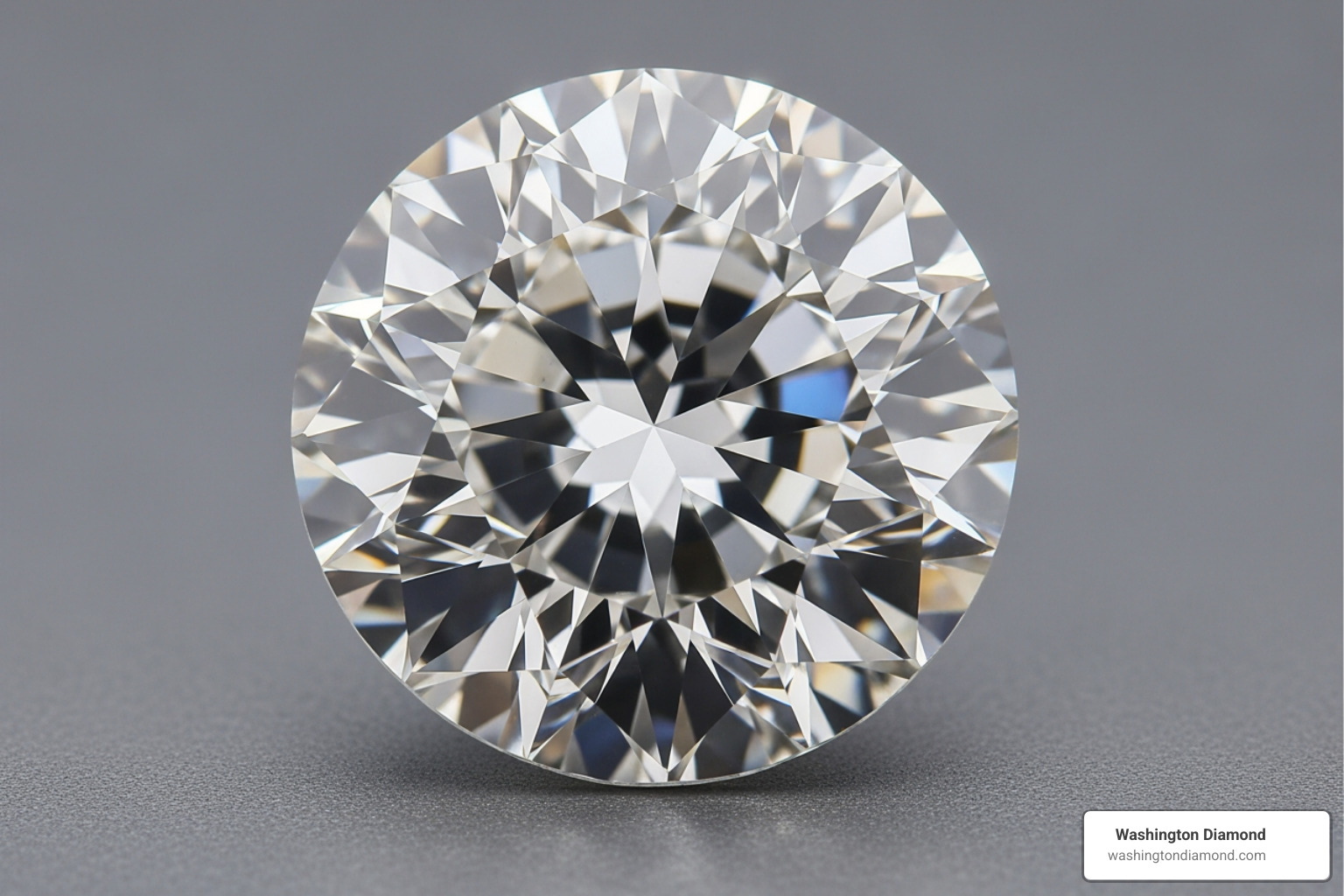
The average cost of a 2 carat lab grown diamond ranges from $1,000 to $8,000 USD, depending on quality factors like cut, color, and clarity. This represents a 60-80% savings compared to mined diamonds of similar quality.
Quick Price Guide:
- Basic Quality (SI clarity, G-H color, Good cut): $1,000 - $3,000
- High Quality (VS clarity, D-F color, Excellent cut): $3,000 - $8,000
- Comparable Mined Diamond: $10,000 - $30,000+
A two-carat diamond makes a statement. Whether for an engagement or a milestone anniversary, it's a piece that turns heads and holds meaning for a lifetime.
The good news is that lab-grown diamonds have changed the game entirely. You no longer need to choose between size and quality or drain your savings to get the diamond you really want.
Recent market data shows that lab-grown diamond prices have become even more accessible, with prices dropping 22.44% in just three months. This means the dream of owning a stunning 2-carat diamond is more attainable than ever.
The challenge? Understanding what you should actually pay and which quality factors matter most for your needs.
This guide breaks down everything you need to know about 2-carat lab-grown diamond pricing. We'll show you what drives costs, how to spot genuine value, and where to focus your budget for maximum impact.
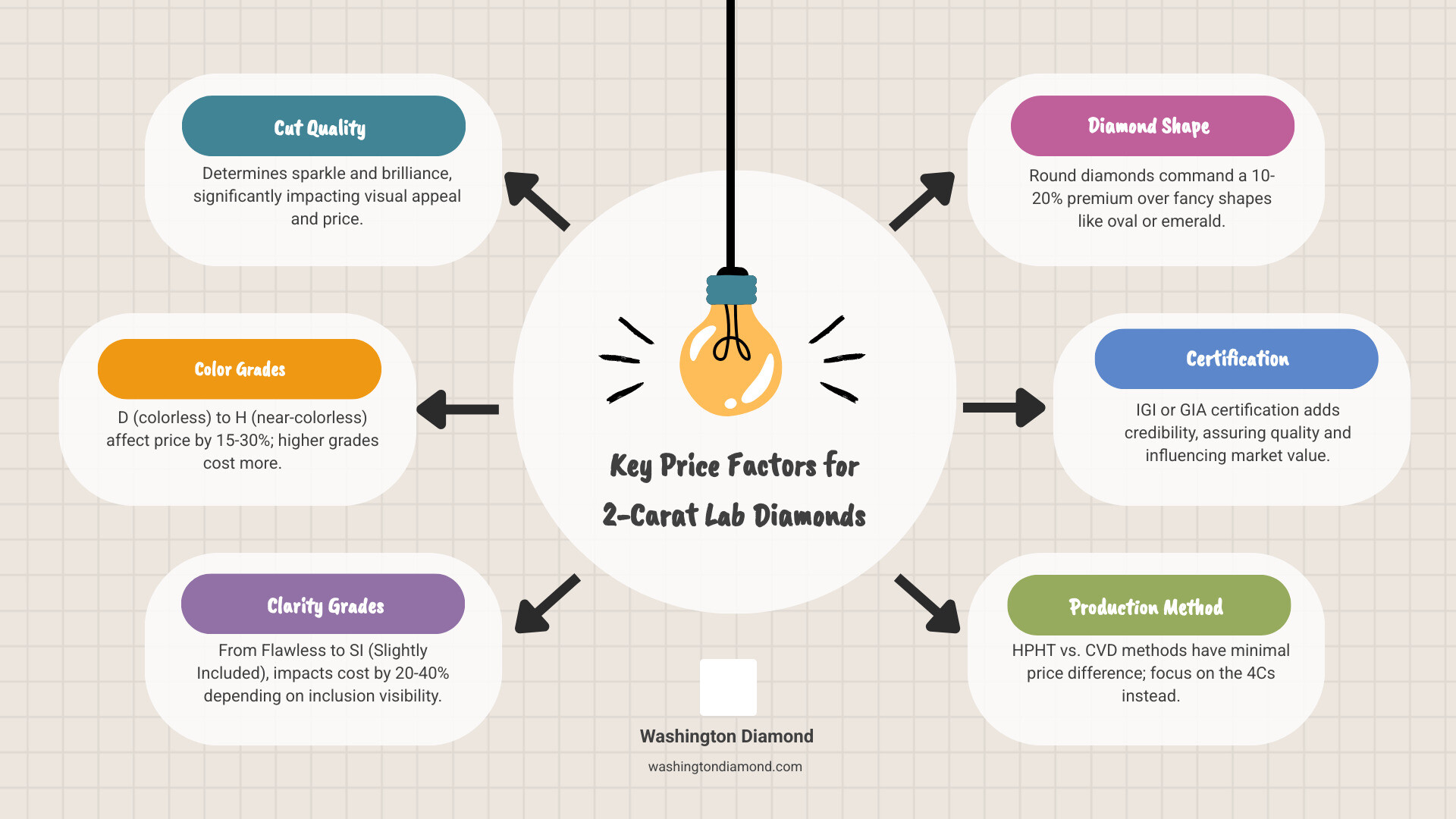
Glossary for average cost of a 2 carat lab grown diamond:
The Average Cost of a 2 Carat Lab Grown Diamond
The world of diamonds is constantly evolving, and nowhere is this more evident than in the pricing of lab-grown diamonds. Thanks to advancements in technology and efficient production, the average cost of a 2 carat lab grown diamond has seen significant shifts, making these stunning gems more accessible than ever.
Recent market trends have shown a remarkable decrease in prices. This volatility is largely due to increasing production capacity and technological improvements. Unlike natural diamonds, whose supply is limited by costly mining, lab-grown diamonds can be produced with virtually unlimited capacity. This fundamental difference means that while natural diamond prices are driven by rarity, lab-grown diamonds offer a more predictable and generally declining price point over time.
For readers who want to follow current price movements in more detail, we recommend consulting with our diamond experts who stay current with the latest market data on 2-carat lab diamonds and can provide personalized pricing insights based on your specific requirements.
This makes lab-grown diamonds a fantastic option for those who want a larger, higher-quality stone without the premium price tag. Consumers can get a diamond that is chemically, physically, and optically identical to a natural diamond for a fraction of the cost—often 60% to 80% less. This significant saving allows us to help you maximize your budget, whether that means securing a larger carat weight, a higher quality grade, or choosing a more elaborate setting.
How quality affects the average cost of a 2 carat lab grown diamond
When we talk about the average cost of a 2 carat lab grown diamond, it's crucial to understand that "average" is a broad term. The actual price you'll pay is heavily influenced by the diamond's quality characteristics, often referred to as the 4Cs: Cut, Color, Clarity, and Carat.
For those seeking a beautiful 2-carat lab-grown diamond without breaking the bank, we often look at what we call "basic quality" characteristics. These diamonds typically fall into a price range of $1,000 – $3,000 USD. This category usually includes diamonds with:
- SI clarity: "Slightly Included" means inclusions are present but often not visible to the naked eye, offering great value.
- G-H color: These are "near-colorless" diamonds, which appear white and offer excellent visual appeal for their price point.
- Good/Very Good cut: While not "Excellent," these cuts still provide plenty of sparkle and brilliance.
On the other hand, if you're dreaming of a truly exceptional 2-carat lab-grown diamond, the price range will be higher, typically between $3,000 – $8,000+ USD. These "high quality" diamonds boast:
- VS clarity (Very Slightly Included) or higher: Inclusions are extremely difficult to see, even under 10x magnification, resulting in a virtually flawless appearance.
- D-F color: These are the purest, most colorless diamonds available, radiating a bright, icy white.
- Excellent cut: An excellent cut is precisely proportioned to maximize its brilliance, fire, and scintillation. A poorly cut diamond will appear dull, no matter how good its color or clarity is.
Understanding these ranges helps us guide you in finding the perfect balance between quality and budget for your 2-carat lab-grown diamond.
Lab-Grown vs. Mined Diamond Price: A Direct Comparison
One of the most compelling reasons to choose a lab-grown diamond is the incredible value it offers compared to a natural, mined diamond. While the average cost of a 2 carat lab grown diamond can range from $1,000 to $8,000 USD, a comparable 2-carat natural diamond will command a significantly higher price.
Let's look at a direct comparison:
| Characteristic | 2-Carat Lab-Grown Diamond (Comparable Quality) | 2-Carat Mined Diamond (Comparable Quality) |
|---|---|---|
| Price Range | $1,000 – $8,000 USD | $10,000 – $30,000+ USD |
| Origin | Created in a laboratory | Mined from the Earth |
| Composition | Identical chemical, physical, optical properties | Identical chemical, physical, optical properties |
| Rarity | Produced with unlimited capacity | Limited natural supply |
| Value | Excellent for budget maximization, lower initial cost | Higher initial cost due to rarity and mining |
As you can see, the price difference is staggering. For the same visual appeal and durability, you can save anywhere from 60% to 80% by opting for a lab-grown diamond. This means you can achieve that stunning 2-carat "wow" factor without compromising on size or quality.
Natural diamonds are more expensive due to their limited quantity and the costly, environmentally impactful mining processes required to extract them. Lab-grown diamonds, on the other hand, mimic nature's process in a controlled environment, resulting in more efficient and cost-effective production. This allows us to offer you exceptional value, ensuring you get the most sparkle for your dollar.
For more insights into diamond pricing, explore our guide on Decoding the Dollar: Your Guide to 2-Carat Diamond Pricing.
Key Factors That Determine a 2-Carat Diamond's Price
Beyond the basic distinction between lab-grown and natural, the price of any diamond is a complex interplay of several factors. While the 4Cs (Cut, Color, Clarity, and Carat) are the fundamental building blocks, other elements like shape, certification, production method, and setting can significantly influence the final cost. Understanding these nuances is key to making an informed decision.
The 4Cs: Cut, Color, Clarity, and Carat
The 4Cs are the universal language for evaluating a diamond's quality and price. For a 2-carat lab-grown diamond, these factors play an identical role to their natural counterparts in determining beauty and value.
Cut: This is arguably the most important C, as it dictates a diamond's sparkle. A diamond's cut refers not to its shape, but to how well its facets interact with light. An excellent cut will blaze with brilliance, while a poorly cut diamond appears dull. Grading labs use terms like "Excellent," "Very Good," and "Good" to describe cut quality. Factors like polish and symmetry also contribute to the overall light performance.
Color: Diamond color is graded on a scale from D (colorless) to Z (light yellow or brown). For a 2-carat lab-grown diamond, choosing a near-colorless grade like G or H can offer significant savings without a noticeable difference to the naked eye, especially when set in yellow or rose gold. They are a smart choice for value.
Clarity: Clarity refers to the presence of inclusions (internal flaws) and blemishes (external imperfections). Grades range from Flawless (FL) to Included (I). For a 2-carat lab-grown diamond, we often recommend focusing on "eye-clean" clarity grades, such as VS2 or SI1. These diamonds appear flawless to the naked eye, providing excellent value compared to paying a premium for higher grades where the difference is undetectable without magnification.
Carat: This is the diamond's weight, with one carat equaling 200 milligrams. While carat weight is straightforward, it's worth noting the concept of "Visual Carat," which describes how large a diamond appears based on its dimensions. A well-cut 2-carat diamond can appear larger than a poorly cut one of the same weight.
For a deeper dive into these crucial elements, explore our guide on Beyond the 4Cs: How to Choose Your Perfect Certified Loose Diamond.
Diamond Shape: Why Round Costs More Than Fancy Cuts
When considering the average cost of a 2 carat lab grown diamond, its shape is another significant factor. While personal preference often dictates the choice, understanding the pricing dynamics can help maximize your budget.
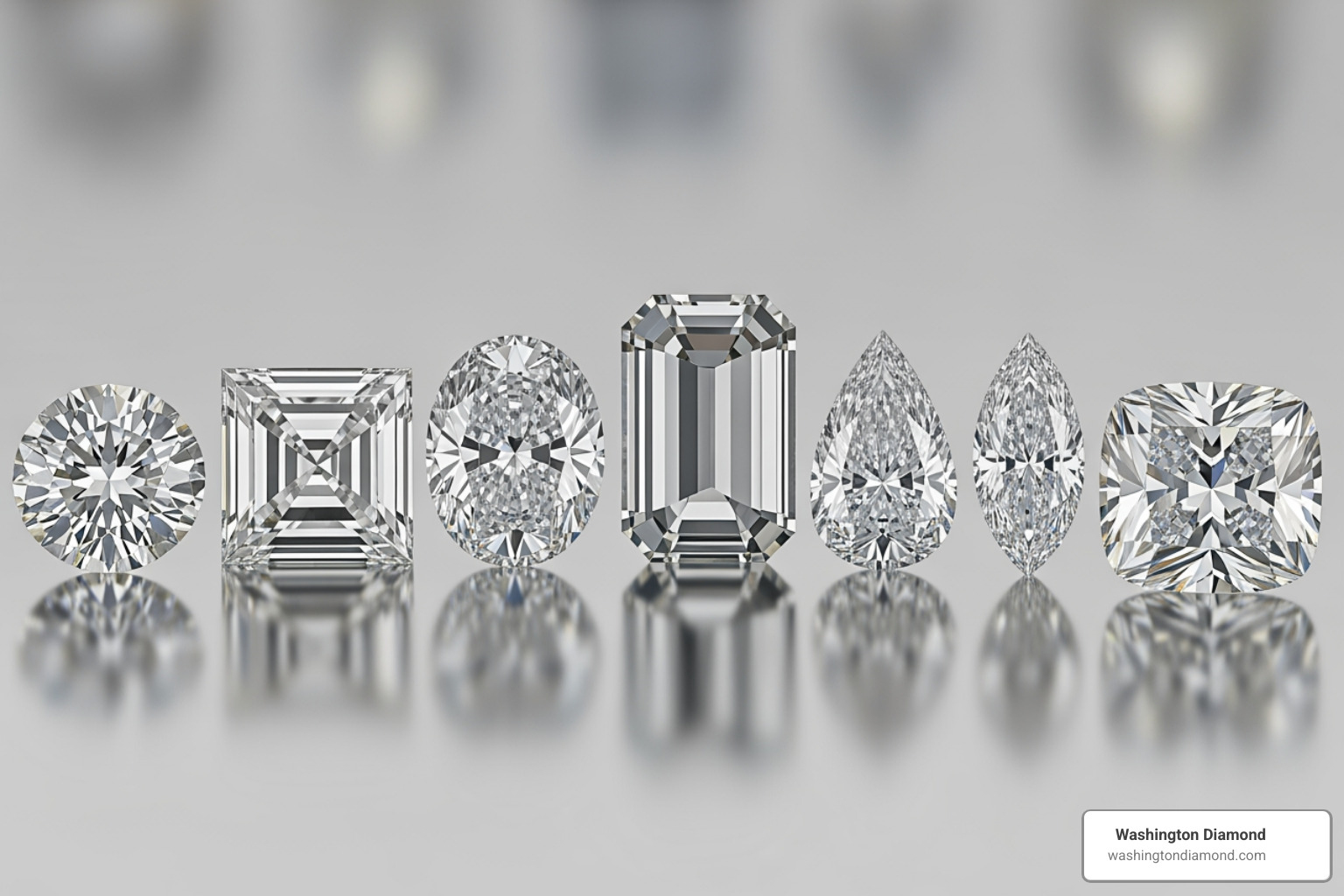
The round brilliant cut is the most popular and also the most expensive diamond shape. This premium is due to high demand and more material loss during the cutting process.
However, "fancy shapes" offer a fantastic opportunity for cost savings and unique aesthetics. Shapes like the emerald, oval, pear, and marquise cuts often cost less per carat than round diamonds. An emerald or oval cut, for instance, can be significantly less expensive than a round brilliant of comparable quality.
Beyond cost savings, many fancy shapes can also appear larger than a round diamond of the same carat weight. Their elongated silhouettes offer a greater surface area when viewed from above, creating a more substantial visual presence. This is a clever way to get more "wow" for your dollar.
Certification and Other Price Influences
Beyond the 4Cs and shape, several other factors contribute to the average cost of a 2 carat lab grown diamond, including its certification, ring setting, and production method.
Certification's Role: A diamond's certification is its official report card. For lab-grown diamonds, the most reputable grading laboratories are the International Gemological Institute (IGI) and the Gemological Institute of America (GIA). A GIA certificate may command a small premium due to its stringent reputation, but both provide the reliable information crucial for an informed purchase.
Ring Setting: The final price of your jewelry isn't just the stone; the setting plays a significant role. The choice of metal (e.g., 14k gold vs. platinum) and design complexity (e.g., a simple solitaire vs. an intricate pave setting) will affect the cost.
Production Methods (HPHT vs. CVD): Lab-grown diamonds are created using two primary methods: High-Pressure/High-Temperature (HPHT) or Chemical Vapor Deposition (CVD). Both produce real diamonds with identical properties to natural ones. For the consumer, the production method has a minimal direct impact on the price of a finished, graded diamond, as the final quality (4Cs) is what truly dictates its value.
Smart Shopping: How to Get the Best Value on Your 2-Carat Lab Diamond
Finding the perfect 2-carat lab-grown diamond is an exciting journey, and we want to ensure you get the absolute best value. With the dynamic pricing of lab-grown diamonds, smart shopping strategies can make a significant difference. Here's our actionable advice:
-
Prioritize the 4Cs for Visual Impact: Not all Cs are created equal in terms of what you see.
- Focus on Cut: This is paramount. An excellent cut will make a diamond sparkle brilliantly. Prioritize a cut grade of "Excellent" or "Very Good" for maximum brilliance.
- Aim for "Eye-Clean" Clarity: You don't need a Flawless diamond. Stones with VS2 or SI1 clarity grades are often "eye-clean," meaning their inclusions aren't visible without magnification. This is where you can save significantly.
- Consider Near-Colorless Grades (G-H): These diamonds are near-colorless and appear perfectly white to the naked eye, especially when mounted, offering a fantastic balance of quality and price.
Compare Certified Stones Diligently: Always compare diamonds that come with reputable certification (IGI or GIA). These reports provide objective details, allowing you to make apples-to-apples comparisons. Be wary of uncertified stones.
Explore Fancy Shapes: As discussed, round diamonds carry a premium. Opting for a fancy shape like an oval, emerald, or pear can offer a larger visual presence for the same carat weight, often at a lower price.
Don't Overpay for Imperceptible Differences: The jump from one grade to the next (e.g., from VS1 to VVS2 clarity) can mean a big price increase but no visible difference to the naked eye. We'll help you invest your budget wisely.
Buy from Reputable Retailers: Choose a jeweler you trust, one with high ratings and clear policies who will provide all necessary documentation and stand behind their products.
For more guidance, check out our insights on Top Picks: Where to Find the Best Price Lab-Grown Diamonds Online. By following these tips, you'll be on your way to acquiring a stunning 2-carat lab-grown diamond that fits your desires and budget.
Understanding Resale Value
When purchasing a diamond, the question of resale value often comes up. It's important to approach this with a clear understanding of market dynamics.
While natural diamonds have an established resale market, they are not a financial investment, and sellers rarely recoup the full retail price. The resale market for lab-grown diamonds is still evolving. Because technology is constantly improving and supply is unlimited, they should not be considered a financial asset that holds or increases in value.
We advise clients to purchase a lab-grown diamond for its beauty, durability, ethical sourcing, and incredible savings compared to a natural diamond. The immense value lies in the joy and emotional significance of the piece—a symbol of love, commitment, or celebration—not in its potential for financial return.
To understand more about assessing the value of diamonds, you can consult our guide on What's Your Bling Worth? Calculate Your Diamond Ring's Value Online.
Frequently Asked Questions about 2-Carat Lab Diamond Costs
We often hear similar questions from clients exploring lab-grown diamonds. Let's address some of the most common inquiries regarding the average cost of a 2 carat lab grown diamond.
Are lab-grown diamond prices falling?
Yes, absolutely. This is one of the most significant trends in the diamond market.
This downward trend is primarily driven by several factors:
- Technological Improvements: The methods for creating lab-grown diamonds (HPHT and CVD) are becoming more sophisticated and efficient, which lowers production costs.
- Increased Supply: Unlike mined diamonds, lab-grown diamonds can be produced in large quantities. As more producers enter the market, the overall supply increases.
- Consumer Demand: While demand is growing, the increasing supply keeps prices competitive, offering better value to consumers.
This means the dream of owning a substantial, high-quality diamond is more attainable than ever.
What is a good average cost of a 2 carat lab grown diamond?
Defining a "good" cost depends on your priorities for the 4Cs. However, based on current market trends, a good value range for a 2-carat lab-grown diamond with excellent visual appeal would be between $1,500 - $4,500 USD.
Within this range, you can often find a diamond that balances quality and price beautifully, such as one with:
- Excellent Cut: Non-negotiable for brilliance.
- G-H Color: Near-colorless and appears white.
- VS2-SI1 Clarity: "Eye-clean" with no visible inclusions.
This combination provides a stunning diamond that looks visually identical to a much more expensive stone, giving you fantastic value.
Can you tell the difference between a lab-grown and a mined diamond?
To the naked eye, it is virtually impossible to tell the difference between a lab-grown and a natural diamond. They are the same material.
Here's why:
- Identical Composition: Lab-grown diamonds are made of carbon atoms in the same crystal structure as natural diamonds. They possess identical chemical, physical, and optical properties, meaning they have the same sparkle and durability.
- Real Diamonds: Lab-grown diamonds are not "fakes" or "simulants" like cubic zirconia. They are real diamonds, just with a different origin.
Only specialized gemological equipment can detect the subtle growth patterns that indicate their laboratory origin. Many lab-grown diamonds are also laser-inscribed on their girdle with an identifying number to make their origin transparent and verifiable. Rest assured, your 2-carat lab-grown diamond will have all the beauty and brilliance of a real diamond.
Find Your Perfect 2-Carat Diamond in Northern VA & DC
Choosing a 2-carat lab-grown diamond is a decision that offers unbeatable value, stunning beauty, and peace of mind. As we've explored, the average cost of a 2 carat lab grown diamond provides an incredible opportunity to acquire a significant, high-quality stone without the prohibitive price tag of a natural diamond.
At Washington Diamond, we believe that finding your perfect diamond should be as memorable and special as the moments it represents. We understand that this is more than just a purchase; it's a symbol of your unique story. That's why we offer a truly personalized experience in our private, appointment-only studio in Northern Virginia.
Key Takeaways for Your 2-Carat Lab-Grown Diamond Journey:
- Unbeatable Value: Lab-grown diamonds offer 60-80% savings compared to natural diamonds of similar quality, allowing you to maximize your budget for size and sparkle.
- Quality and Beauty: You don't have to compromise. Lab-grown diamonds are chemically, physically, and optically identical to mined diamonds, offering the same brilliance and durability.
- Smart Shopping: Prioritize cut, aim for eye-clean clarity and near-colorless grades, and consider fancy shapes to get the most impact for your budget.
- Expert Guidance: Navigating the nuances of the 4Cs and market trends is easier with experienced professionals by your side.
We pride ourselves on providing undivided attention and expert guidance, ensuring you feel confident and excited about your choice. Whether you're in Northern Virginia or the wider DC metro area, we invite you to experience the Washington Diamond difference. Let us help you find a breathtaking 2-carat lab-grown diamond that perfectly captures your vision and celebrates your special occasion.
Explore our collection of Loose Diamonds and let us guide you toward your perfect sparkle.
Have a question about your jewelry?
We've been helping clients with diamonds, custom design, repairs, appraisals, and more since 1969. Book a private appointment at our Falls Church studio.
Book an AppointmentTrusted since 1969 · Falls Church, VA · 703-536-3600
From the blog
View all


