

The Finest Sparkle: How to Choose a Diamond Bracelet with Hand-Selected Stones
Why a Diamond Bracelet with Hand-Selected Stones Is Worth the Investment

A diamond bracelet with hand-selected stones is one of the most rewarding jewelry purchases you can make — but only when the diamonds are carefully matched and expertly set. Here's what you need to know at a glance:
What makes a hand-selected diamond bracelet different?
- Each diamond is individually evaluated for color, cut, clarity, and carat before being chosen
- Stones are matched across the entire bracelet for a consistent, seamless look
- Hand-selection ensures no dull or mismatched stones break the flow of light
- The result is noticeably more brilliance and a more refined finished piece
Top hand-selected diamond bracelet styles to consider:
| Style | Best For | Key Feature |
|---|---|---|
| Tennis bracelet | Everyday elegance | Continuous line of matched stones |
| Bezel set | Active lifestyles | Metal border protects each diamond |
| By-the-yard | Subtle, layered looks | Spaced diamonds on a delicate chain |
| Bangle | Bold statements | Rigid band, often pavé or channel set |
There's a reason tennis bracelets are considered the ultimate status symbol in fine jewelry. When Chris Evert stopped a U.S. Open match in the 1980s to search for her lost diamond bracelet, she accidentally gave a name to one of the most enduring jewelry styles in the world. That story says everything about how much these pieces mean to the people who wear them.
The difference between a good diamond bracelet and a truly exceptional one often comes down to one thing: how the stones were chosen. A bracelet where every diamond is hand-picked and precisely matched will catch light in a way that mass-produced pieces simply can't replicate.
I'm Tom Daube, a jewelry designer and diamond expert ranked in the top 1% of jewelers nationwide, with decades of experience helping clients find diamond bracelets with hand-selected stones that genuinely outperform what you'd find in a typical retail setting. In the sections ahead, I'll walk you through everything you need to make a confident, well-informed choice.
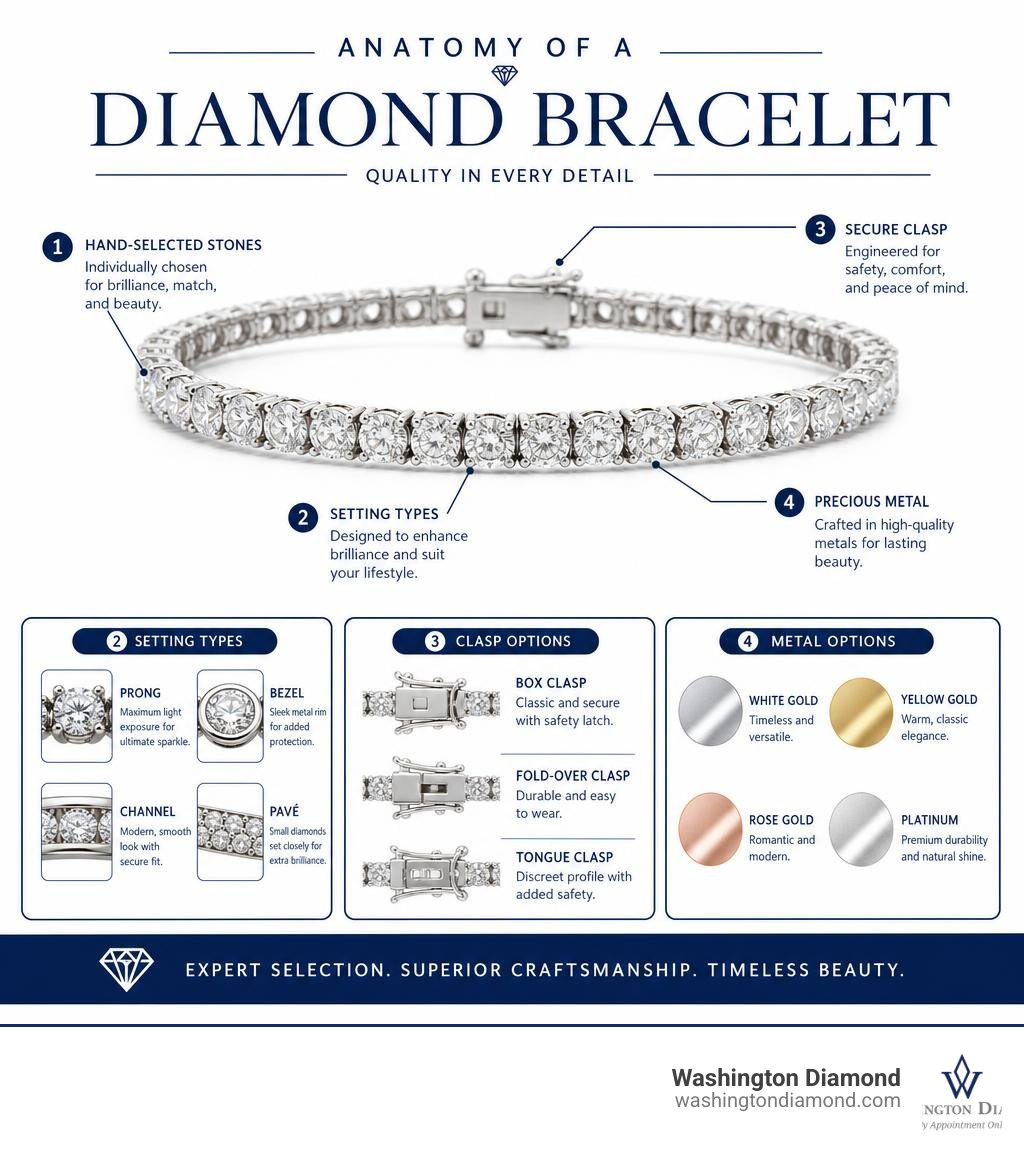
Diamond bracelet hand-selected stones vocab to learn:
Natural vs. Lab-Grown Diamonds: Quality, Price, and Ethics
When selecting the perfect diamond bracelet, one of the first decisions you will face is choosing between natural diamonds and lab-grown diamonds. Both options offer spectacular beauty, but they differ significantly in their origin, market value, and pricing structure.
To help you navigate this choice, we have broken down the core differences in the table below:
| Feature | Natural Diamonds | Lab-Grown Diamonds |
|---|---|---|
| Origin | Formed deep within the Earth over billions of years under extreme heat and pressure. | Created in controlled laboratory environments using advanced technological processes (HPHT or CVD). |
| Chemical Composition | 100% pure carbon lattice structure. | 100% pure carbon lattice structure (chemically, physically, and optically identical to natural). |
| Price Point | Premium pricing reflecting their rarity and geological history. | Highly accessible pricing, often 70% to 80% lower than natural counterparts of equivalent grade. |
| Value Retention | Historically strong long-term value retention. | Lower resale value due to unlimited production capabilities. |
| Ethical Sourcing | Verified via the Kimberley Process; supports local mining communities but has a larger physical footprint. | Minimal surface environmental impact, though energy consumption during production is high. |
For a deep dive into how diamond origin and grading affect your purchase, explore our Loose Diamonds Complete Guide.
Understanding the Price Difference
The price of a natural diamond bracelet is heavily driven by rarity. Because natural diamonds are a finite resource mined from the earth, matching dozens of stones for a single bracelet requires sorting through thousands of rough and polished gems.
On the flip side, lab-grown diamonds allow designers to source perfectly matched, colorless, and highly clear stones at a fraction of the cost. For instance, a high-jewelry tennis bracelet featuring over 12 carats of lab-grown diamonds can be acquired for a price that would only cover a small fraction of a natural diamond equivalent. If your goal is maximum carat weight and visual impact within a set budget, lab-grown diamonds are an incredibly compelling option.
Ethical Considerations and Sourcing
Ethics and sustainability play a massive role in modern jewelry selection. Natural diamonds of reputable standing are strictly regulated by the Kimberley Process to ensure they are conflict-free. Additionally, choosing ethically minded suppliers guarantees that the stones do not violate international sanctions.
Lab-grown diamonds bypass the mining process entirely, making them a popular choice for those looking for a modern, low-impact alternative. Whether you choose the geological miracle of a natural diamond or the technological marvel of a lab-grown stone, the key to a breathtaking bracelet lies in how those individual stones are curated and assembled.
The Art of Crafting a Diamond Bracelet with Hand-Selected Stones
A premium diamond bracelet is not merely a collection of stones strung together; it is a carefully engineered work of wearable art. The difference between a retail-grade bracelet and a high-end custom piece lies entirely in the curation process.
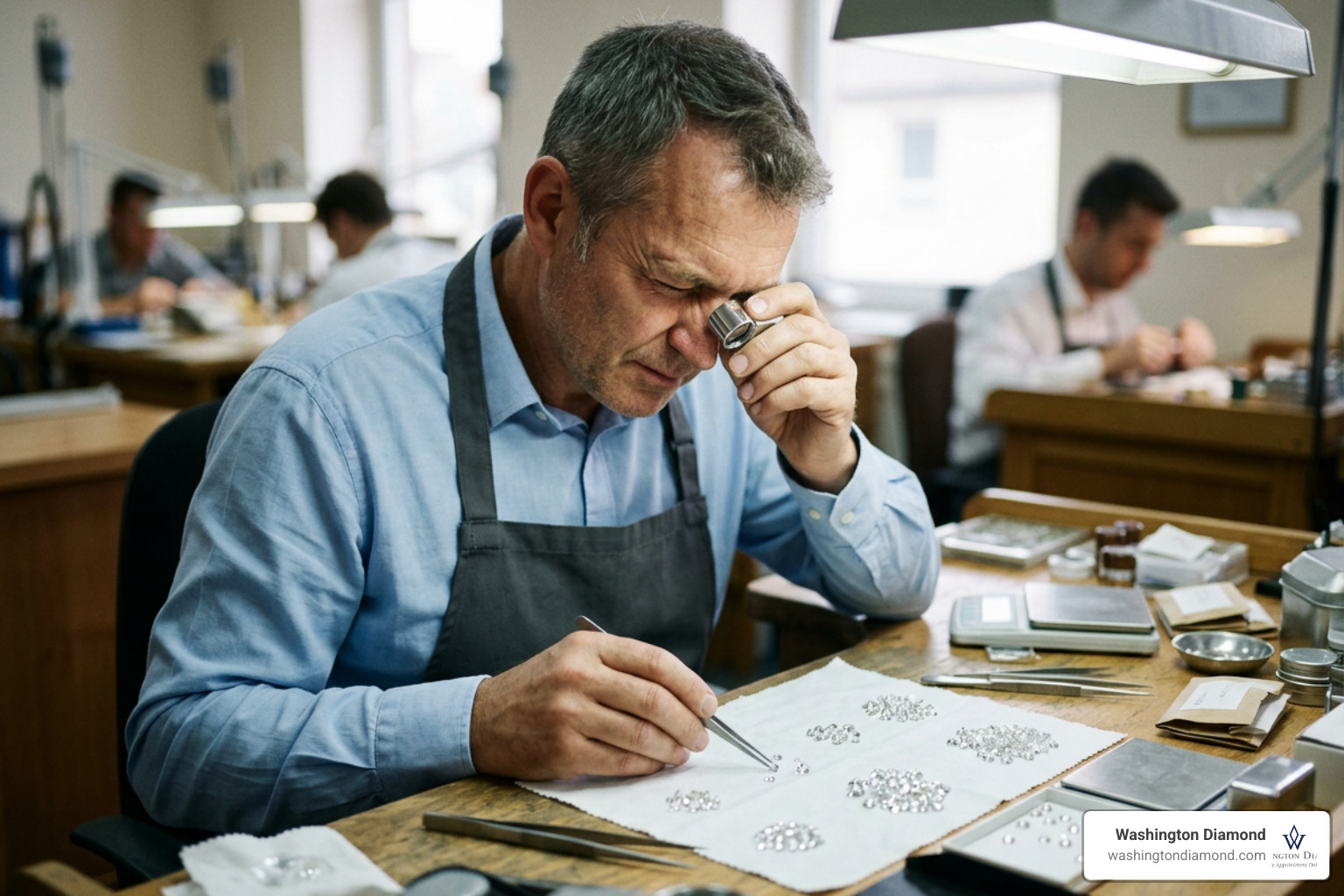
When we craft a diamond bracelet with hand-selected stones, our gemologists inspect every single diamond under 10x magnification. We don't just look at the grading report; we look at how the stone behaves in real life. We check for:
- Color Harmony: A single stone with a slight yellow tint will instantly break the continuous "river of light" effect. We ensure every diamond sits perfectly within the exact same color micro-grade.
- Cut Precision: Even if diamonds share the same cut grade, slight variations in table percentage or depth can cause some stones to look dark next to others. Hand-selection ensures identical light performance.
- Clarity Matching: To understand how clarity characteristics influence the look of your piece, consult our Diamond Bracelet Diamond Clarity Guide. We screen out eye-visible inclusions that could disrupt the overall sparkle of the bracelet.
Why a Diamond Bracelet with Hand-Selected Stones Offers Superior Brilliance
In mass-produced jewelry, bracelets are often assembled using pre-sorted parcels of diamonds. This can result in a "checkerboard" effect, where some stones sparkle while others appear dull or windowed.
By contrast, hand-selecting stones allows us to utilize advanced design techniques like the infinity setting. In an infinity setting, the prongs are meticulously carved and aligned to minimize the appearance of metal between the stones. This creates a seamless, uninterrupted band of fire and brilliance. When every stone is matched perfectly, the light travels through the bracelet dynamically, reflecting off neighboring facets to amplify the overall radiance of the piece.
Unique Design Features: Cutouts, Mixed Shapes, and Gemstone Accents
High-end custom bracelets often feature secret design details that elevate them above standard commercial pieces. One such feature is the internal "D" cutout detail or custom under-gallery. These hand-cut internal openings are placed on the inside of the bracelet's links, directly beneath the diamond culets. This design allows maximum light to enter the stones from the under-side, drastically boosting their luminosity.
For those looking to break away from traditional styles, mixing diamond shapes is a fantastic way to showcase individuality. A hand chain or tennis bracelet combining alternating round brilliant and emerald-cut stones offers a playful, contemporary contrast between high-octane sparkle and hall-of-mirrors depth.
Adding colored gemstones is another magnificent way to introduce personality. From rich blue sapphires to vibrant rubies, blending hand-selected diamonds with colored gems creates a striking visual rhythm.
For an incredibly artistic take on botanical-inspired jewelry, designers often look to the natural world. Varying shades of diamonds and precious gemstones can be arranged to mimic organic structures, creating three-dimensional depth, movement, and a highly personal finished design.
Popular Styles and Settings for Everyday Wearability
The architecture of your bracelet dictates not only how it looks but also how it fits into your daily life. Whether you prefer a fluid chain that drapes elegantly over your wrist or a structured statement piece, there is a silhouette tailored to your lifestyle.

To explore our full curated gallery of classic and modern designs, view our dedicated collection of Diamond Bracelets.
Classic Tennis, Bezel, and By-the-Yard Styles
The tennis bracelet remains the undisputed queen of wristwear. Characterized by its flexible, continuous strand of closely set diamonds, it offers a timeless "river of diamonds" look.
If you love the sparkle of diamonds but prefer a more minimalist, low-profile aesthetic, the By-the-Yard style is an exceptional choice. This design features individual bezel-set diamonds spaced evenly along a delicate gold or platinum chain. It is lightweight, incredibly comfortable, and perfect for layering.
For those who want a fully personalized journey, modular or custom designs are highly sought after. Some collectors prefer to build their jewelry over time, starting with a base section and adding matching links or hand-selected stones to mark major life milestones. If you are based in Northern Virginia, you can collaborate with local master craftsmen to design a custom piece from scratch, ensuring every detail is tailored to your exact specifications.
Settings and Safety Features: Prong, Bezel, and Hidden Clasps
The setting you choose directly impacts the wearability and protection of your hand-selected stones:
- Prong Settings: Typically featuring three or four prongs per stone, this setting allows the maximum amount of light to enter the sides of the diamonds, offering unmatched brilliance.
- Bezel Settings: A smooth collar of precious metal completely surrounds the perimeter of each diamond. This is the most secure setting style, preventing the stones from snagging on delicate fabrics and protecting them from everyday impacts.
- Channel Settings: Diamonds are nestled side-by-side between two parallel walls of metal. This creates a sleek, modern, snag-free edge.
Beyond the settings, the clasp is the unsung hero of any high-end diamond bracelet. A premier hand-selected bracelet should feature a virtually hidden conceal clasp that blends seamlessly into the design so as not to interrupt the flow of the diamonds. This should always be paired with a double safety latch to ensure the bracelet remains securely on your wrist, no matter where your day takes you.
How to Choose Your Perfect Metal, Cut, and Sizing
Creating a customized diamond bracelet requires balancing your aesthetic preferences with practical lifestyle considerations.
Metal Selection and Skin Tone
The metal you choose serves as the canvas for your hand-selected diamonds:
- 18k White Gold & Platinum: These metals offer a sleek, monochromatic look that highlights the icy, colorless nature of high-grade diamonds. While white gold is rhodium-plated for a high-shine finish, platinum is naturally hypoallergenic and develops a lovely, soft satin patina over time.
- 18k Yellow Gold: Provides a warm, classic contrast that makes colorless diamonds pop beautifully. It looks gorgeous on warm and olive skin tones.
- 18k Rose Gold: Offers a romantic, vintage-inspired aesthetic that complements cool and neutral skin tones beautifully.
Customizing Your Diamond Bracelet with Hand-Selected Stones
The cut of your diamonds determines the personality of your bracelet. While the round brilliant cut is the most popular for its unmatched fire and light reflection, fancy cuts offer distinct design advantages.
An emerald cut features step-cut facets that emphasize clarity and depth over raw sparkle, creating a sophisticated "hall of mirrors" effect. The princess cut offers a contemporary, geometric look with sharp lines and intense brilliance.
To ensure your custom piece fits perfectly, we recommend using the one-finger rule. When measuring your wrist, the bracelet should drape elegantly—loose enough that you can comfortably slip one finger between the bracelet and your wrist, but snug enough that it won't slide down over your hand.
Understanding Value: Carat Weight, GIA Certification, and Ethical Sourcing
When investing in fine jewelry, understanding the true value of your stones is paramount. For natural diamonds, always insist on GIA (Gemological Institute of America) grading reports to verify the authenticity and precise quality of your stones.
To arm yourself with the ultimate knowledge before buying, read our guide on Beyond the 4Cs: How to Choose Your Perfect Certified Loose Diamond.
If you want to evaluate the market value of your stones or compare pricing dynamically, utilize The Diamond Value Calculator: Your Secret Weapon for Smart Buying and learn how to Calculate the Value of a Diamond Before You Buy or Sell.
For those seeking exceptional quality in the Mid-Atlantic region, working with certified diamond professionals is essential. Choosing partners who adhere to the Kimberley Process and prioritize ethical, American-made craftsmanship ensures your jewelry is as beautiful in its story as it is on your wrist.
Styling, Stacking, and Caring for Your Diamond Bracelet
One of the greatest joys of owning a diamond bracelet is its versatility. It is a piece of high jewelry that does not deserve to sit in a dark safe; it is designed to be lived in.
How to Style and Stack
- Casual Wear: Pair a slim, bezel-set diamond bracelet with a crisp white t-shirt and denim. It adds an effortless touch of luxury to your everyday errands.
- At the Office: Wear a classic round brilliant tennis bracelet alongside your favorite luxury watch on your non-dominant wrist. This creates a professional, polished look.
- Formal and Bridal: For weddings or black-tie galas, let your diamond bracelet take center stage. You can stack multiple bracelets of varying widths and diamond cuts (such as pairing a round brilliant tennis bracelet with an emerald-cut bangle) to create a high-impact, textured look.
- Mixing Metals: Do not be afraid to mix metal colors! Stacking rose, yellow, and white gold diamond bracelets together creates a playful, modern, and highly personalized style statement.
Maintenance and Care Tips
To keep your hand-selected diamonds sparkling like the day you first wore them, follow these simple care steps:
- Regular Cleaning: Soak your bracelet in warm water mixed with a few drops of mild dish soap for 10 to 15 minutes. Gently brush the stones—especially the under-gallery and cutouts—with a soft-bristled toothbrush to remove oils and lotion buildup. Rinse thoroughly and pat dry with a lint-free cloth.
- Professional Inspections: Bring your bracelet to a professional jeweler at least once a year. They will inspect the security of the prongs, test the clasp mechanism, and perform an ultrasonic cleaning to restore maximum brilliance.
- Proper Storage: Store your diamond bracelet in a soft fabric-lined jewelry box or individual pouch. Because diamonds are the hardest natural substance on earth, they can easily scratch your other gold, platinum, or gemstone jewelry if left loose in a drawer.
Frequently Asked Questions about Diamond Bracelets
How should a diamond tennis bracelet fit?
A diamond tennis bracelet should drape naturally on your wrist without feeling tight or overly loose. A great rule of thumb is the "one-finger rule": you should be able to comfortably slide one finger between the bracelet and your wrist. If it is too tight, it will strain the links and safety clasp; if it is too loose, it risks catching on objects or sliding off your hand.
Can you wear a diamond bracelet every day?
Absolutely! High-quality diamond bracelets are crafted using durable precious metals like 18k gold and platinum, which are designed to withstand daily wear. If you plan to wear your bracelet every day, we recommend choosing secure setting styles like bezel or channel settings, and ensuring your bracelet features a hidden clasp with a double safety latch.
What is the difference between prong, bezel, and channel settings?
Prong settings use tiny metal claws to hold the diamond, allowing maximum light to enter the stone for ultimate sparkle. Bezel settings wrap a protective metal rim entirely around the edge of the diamond, offering the highest level of security and a smooth, snag-free surface. Channel settings place diamonds side-by-side between two walls of metal, creating a sleek, contemporary, and highly durable look.
Conclusion
A diamond bracelet with hand-selected stones is more than just an accessory—it is an enduring symbol of elegance, personal style, and meaningful celebration. Because a bracelet is constantly in motion on your wrist, the harmony, cut precision, and light performance of each individual stone are incredibly visible. Taking the time to select perfectly matched, hand-curated diamonds ensures your piece will shine brilliantly from every possible angle.
At Washington Diamond, we believe that choosing a piece of jewelry this significant should be an unforgettable experience. In our private, appointment-only studio in Northern Virginia, we offer you our undivided attention, guiding you through our meticulously curated selection of loose diamonds and custom mountings in a relaxed, pressure-free environment.
Ready to design a heirloom piece that is uniquely yours? Schedule a custom jewelry consultation with our expert design team today.
Have a question about your jewelry?
We've been helping clients with diamonds, custom design, repairs, appraisals, and more since 1969. Book a private appointment at our Falls Church studio.
Book an AppointmentTrusted since 1969 · Falls Church, VA · 703-536-3600
From the blog
View all


