

Sparkle On: How to Clean Your Diamond and Gold Jewelry Like a Pro
Why Your Diamond Jewelry Loses Its Sparkle (And How to Get It Back)

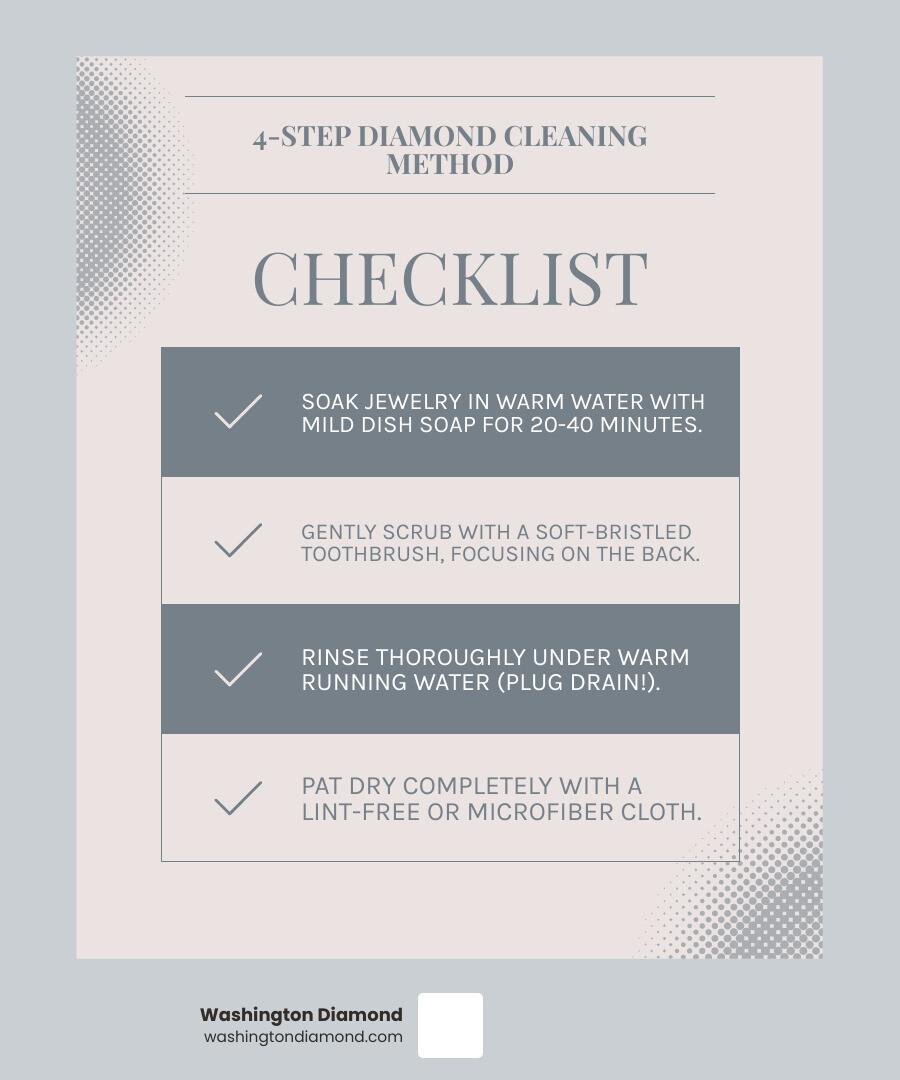
The best way to clean diamonds is surprisingly simple: soak your jewelry in warm water with a few drops of mild dish soap for 20-40 minutes, gently scrub with a soft-bristled toothbrush (especially the back of the diamond), rinse thoroughly, and pat dry with a lint-free cloth.
Quick Answer: The 4-Step Diamond Cleaning Method
- Soak - Place your diamond jewelry in a bowl of warm water with mild dish soap for 20-40 minutes
- Scrub - Use a soft-bristled toothbrush to gently clean, focusing on the back of the diamond
- Rinse - Thoroughly rinse under warm running water (with the drain plugged!)
- Dry - Pat dry with a lint-free or microfiber cloth
Here's something that surprises most people: diamonds are natural magnets for grease. Even though they're the hardest substance on Earth, the oil from a single fingerprint can make them lose their sparkle almost instantly. Every time you touch your ring, apply lotion, or put on makeup, you're creating a film that dulls your diamond's brilliance.
The good news? You don't need fancy equipment or expensive solutions to restore that sparkle. A simple weekly cleaning routine using items you already have at home will keep your diamond looking as brilliant as the day you got it.
I'm Tom Daube, and I've spent my career helping people understand how to care for their diamonds and fine jewelry. As a GIA-certified expert specializing in diamonds with excellent proportions, I've seen how knowing the best way to clean diamonds can make all the difference in maintaining their beauty for generations.
Best way to clean diamonds helpful reading:
The Best Way to Clean Diamonds at Home: A Step-by-Step Guide
Keeping your precious diamond jewelry sparkling doesn't require a trip to a professional every week. In fact, the safest and most effective way to clean your diamond engagement ring right in your home is remarkably simple and something we encourage all our clients to do regularly. This gentle approach not only restores its brilliance but also allows us to regularly inspect our cherished pieces for any potential issues.
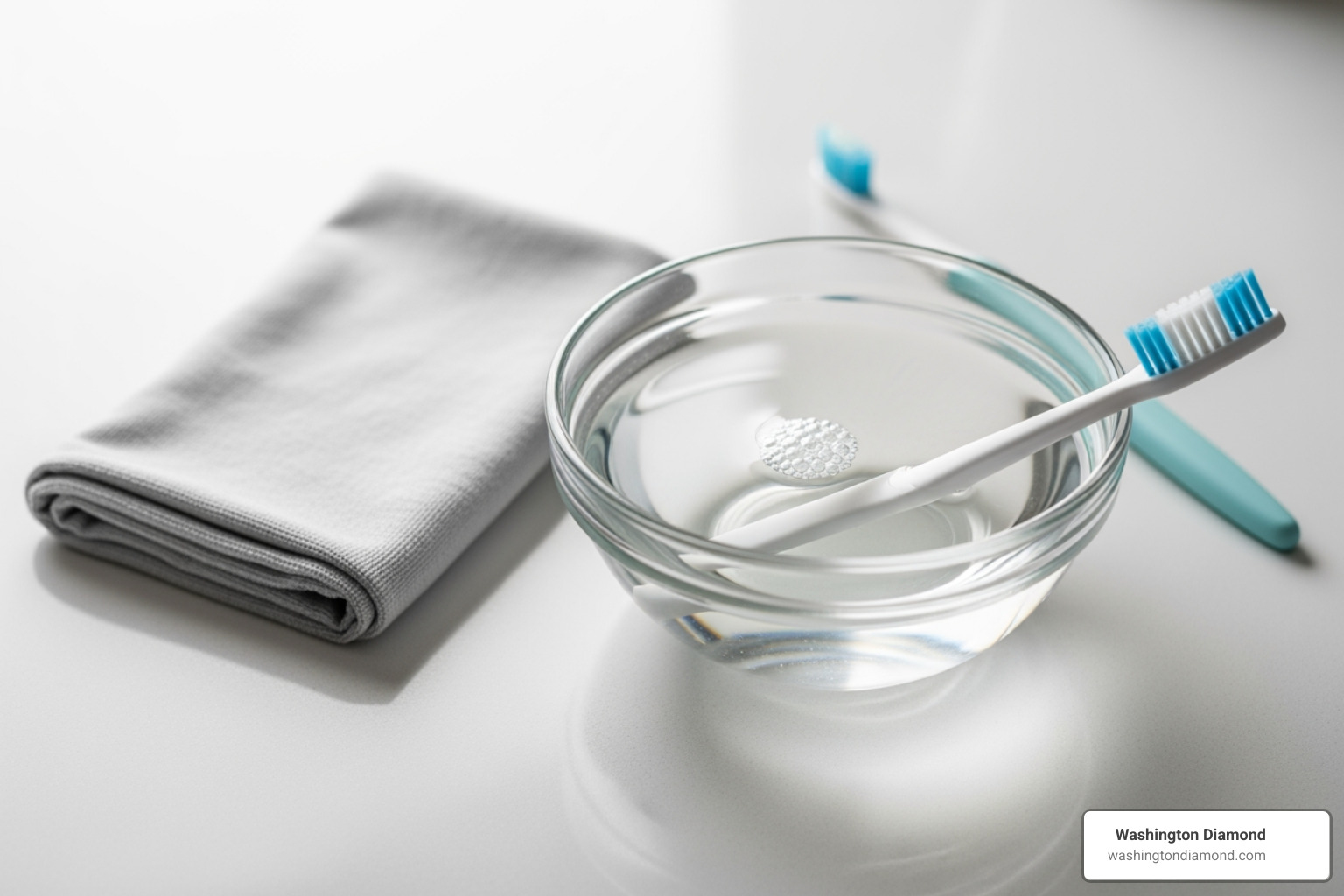
Before we dive into the steps, let's talk about safety. When cleaning your jewelry over a sink, always make sure to plug the drain. We've heard too many heartbreaking stories of precious rings taking an unexpected plunge down the plumbing! Also, while diamonds are incredibly durable, their settings might not be. A gentle approach is always the best way to clean diamonds at home.
What You'll Need for a Safe and Effective Clean
The good news is that you likely already have everything you need for a thorough at-home cleaning. We're not talking about harsh chemicals or specialized gadgets; just a few simple household items.
Here's our recommended toolkit:
- Mild Dish Soap: Opt for a gentle, ordinary dishwashing liquid. Avoid moisturizing soaps or body washes, as these can leave a filmy residue that defeats the purpose of cleaning. Just a few drops are sufficient.
- Warm Water: Not boiling, not cold, but pleasantly warm. This helps to loosen dirt and oils without risking damage to your jewelry.
- Small Bowl: Any clean bowl will do to create your soaking solution.
- Soft-Bristled Toothbrush: This is crucial! Make sure it's a new, clean toothbrush dedicated solely to cleaning your jewelry. Hard-bristled brushes or scrub pads can scratch your diamond or, more commonly, the metal setting.
- Lint-Free Cloth: A microfiber cloth or a soft cotton fabric is perfect for drying. Paper towels, while convenient, can sometimes leave tiny fibers behind or even scratch softer metals.
These simple items are all you need to keep your diamond jewelry looking its best. The key is consistency and gentleness.
The 4-Step Process to Make Your Diamond Sparkle
Now that we have our supplies ready, let's walk through the process. This method is the foundation for the best way to clean diamonds at home, ensuring both effectiveness and safety.
- Prepare the Soaking Solution: Fill your small bowl with warm water and add a few drops of mild dish soap. Stir gently to create a bubbly solution.
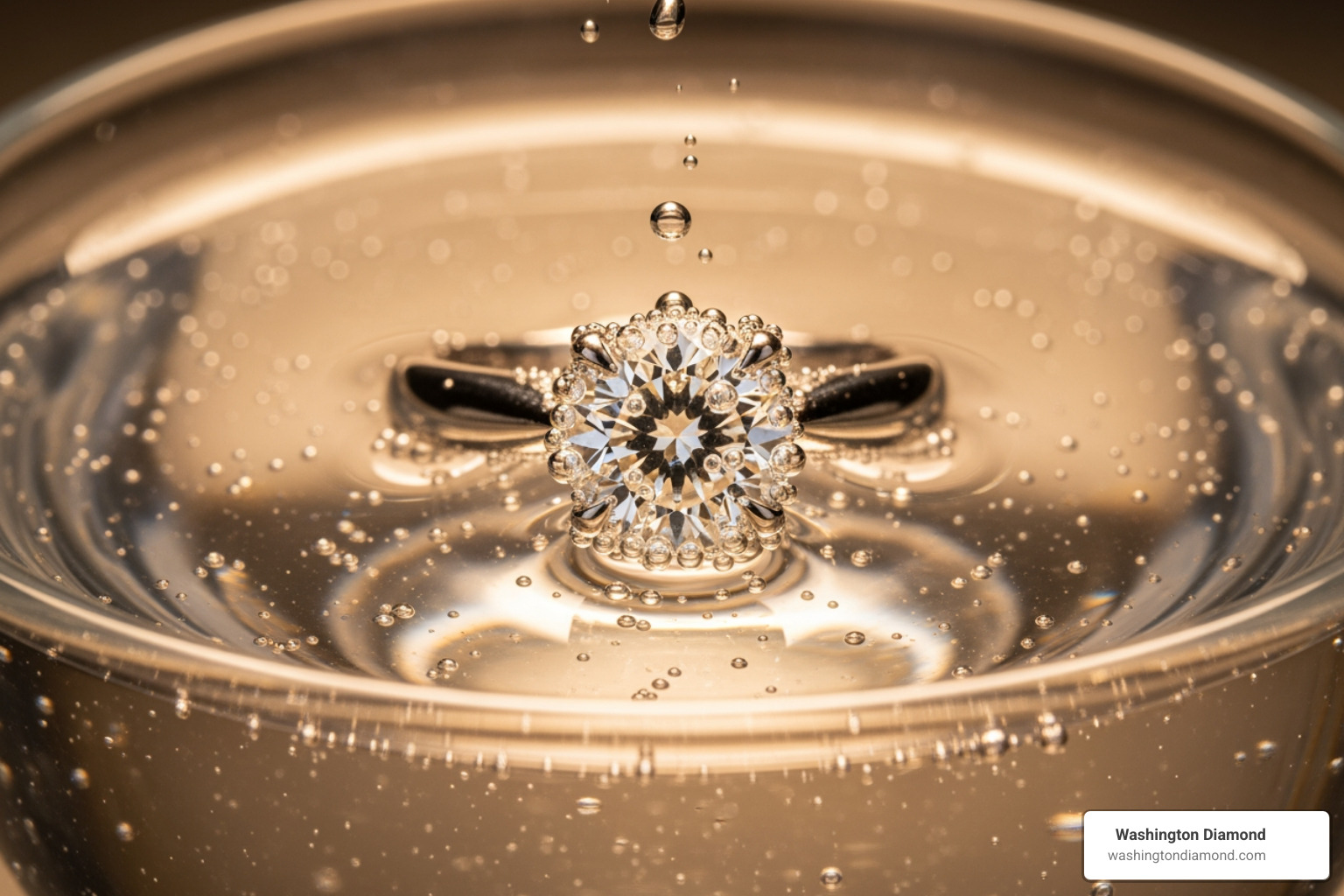
- Submerge and Soak: Carefully place your diamond jewelry into the solution, ensuring it's fully submerged. Let it soak for at least 20 to 40 minutes. For heavily soiled pieces, we've found that a longer soak can be even more effective. This step helps to loosen the accumulated dirt, oils, and residues that dull your diamond's sparkle.
- Gentle Scrubbing: After soaking, remove your jewelry from the bowl. Using your soft-bristled toothbrush, gently scrub the diamond and its setting. Pay particular attention to the back of the diamond, as this area tends to collect the most oil and grime, hindering light reflection. Be gentle, especially around prongs or delicate designs, to avoid bending or loosening them.
- Rinse Thoroughly: This is a critical step to remove all soap residue. Rinse your jewelry under warm, running water. Remember our earlier safety tip: always plug the sink drain before rinsing to prevent accidental loss!
- Pat Dry: Finally, gently pat your jewelry dry with a clean, lint-free cloth or microfiber towel. Avoid rubbing vigorously, which could leave fibers or even microscopic scratches on softer metals. Allow it to air dry completely if there's any lingering moisture.
And there you have it! A simple yet highly effective way to bring back that dazzling sparkle to your diamond jewelry.
How Often Should You Clean Your Diamond Jewelry?
You might be wondering, "How often do I need to do this?" The answer depends a bit on your lifestyle, but we generally recommend frequent cleaning for optimal brilliance.
For most diamond engagement rings, we suggest a quick at-home cleaning at least once every week or two. Diamonds are natural magnets for grease, and the oil deposited from the mere touch of a human finger can quickly diminish their sparkling appeal. Regular cleaning prevents this accumulation from becoming stubborn buildup.
If you lead a very active lifestyle, use a lot of hand creams, or wear your ring during cooking, you might find a weekly clean is necessary. For others, a bi-weekly or even monthly routine might suffice. The key is to notice when your diamond starts to lose its sparkle – that's your cue!
Consistent cleaning not only keeps your diamond looking its best but also allows you to regularly inspect your ring. This helps you spot any potential issues like loose stones or worn prongs before they become serious problems. Think of it as preventative maintenance for your cherished piece.
Special Care for Your Ring's Setting and Other Gems
While diamonds are incredibly tough, the metal settings they're nestled in, and any accompanying gemstones, can be far more delicate. Understanding these differences is crucial for effective and safe cleaning.
Cleaning Different Metal Bands: Gold and Platinum
The metal of your ring band plays a significant role in its cleaning requirements. Different metals react differently to chemicals and can wear uniquely over time.
- Yellow Gold: This classic metal is quite durable but can still be affected by harsh chemicals. For yellow gold, our standard warm water and mild dish soap method is perfect. Some sources suggest a quick wipe with pale ale (avoiding the stone) due to its acidic hops, but we find the soap and water method to be universally safe and effective.
- White Gold: White gold is an alloy of pure gold and other white metals, typically coated with a layer of rhodium plating to give it its bright, silvery-white finish. This rhodium plating can wear down over time, and harsh chemicals like bleach, chlorine, ammonia, or acetone can accelerate this process, causing the metal to break down or discolor. Stick to the warm water and mild dish soap method to protect this plating.
- Platinum: Known for its strength and durability, platinum is one of the most resilient metals for engagement rings. It doesn't tarnish and can withstand most cleaning solutions better than gold. For a deeper clean on platinum, some jewelers suggest soaking in a 50/50 solution of Windex and hydrogen peroxide for 10-15 minutes, followed by scrubbing and rinsing. However, always exercise caution, especially if your ring features other gemstones.
Regardless of the metal, abrasive products like powdered cleaners or toothpaste should never be used, as they can erode metals and discolor your ring. For more detailed guidance on caring for all your precious pieces, explore our comprehensive The Art of Gemstone Jewelry Care.
What about Rings with Colored Gemstones or Pearls?
Here's where we need to be extra cautious. While diamonds are kings of hardness, many other beautiful gemstones are far more delicate and require different care.
- Porous Gemstones: Gemstones like pearls, opals, coral, and turquoise are porous. This means they can absorb chemicals, leading to discoloration or damage. These should never be exposed to ammonia-based cleaners or harsh chemicals. Even the mild dish soap and warm water method needs to be approached with caution for these delicate beauties. Instead, gently wipe them with a soft, damp cloth and dry immediately.
- Delicate Gemstones: Emeralds, for example, can be sensitive. They often have inclusions or fissures that, while natural, can make them vulnerable to cracking, especially with vigorous cleaning or ultrasonic cleaners.
- General Rule: If your diamond jewelry includes colored gemstones or pearls, it's often best to clean them separately or consult with a jeweler for specific advice. As the GIA's Gem Encyclopedia wisely notes, "Caution must also be used when cleaning most tr..." GIA’s Gem Encyclopedia. When in doubt, a simple wipe with a soft, damp cloth is usually the safest bet for these companions.
The key takeaway here is that while your diamond is tough, its friends might not be! Always consider all elements of your jewelry when choosing a cleaning method.
Common Cleaning Mistakes to Avoid
In our quest for sparkle, it's easy to fall into traps that can actually harm our precious jewelry. Knowing what not to do is just as important as knowing the best way to clean diamonds. Avoiding these common mistakes will protect your investment and keep your rings beautiful for years to come. For more general advice on maintaining all your jewelry, check out How to Clean Jewelry, Even If You've Never Tried It Before.
Harsh Chemicals and Abrasives That Can Cause Damage
This is a big one. While it might seem logical to use strong cleaners on something that feels so durable, many common household products are highly detrimental to fine jewelry.
- Chlorine Bleach, Ammonia, and Acetone: These powerful chemicals, often found in household cleaners and nail polish removers, can severely damage the metal alloys in your ring band. They can break down the metal, leading to discoloration, weakening, or even erosion of the setting. This is particularly true for white gold, which relies on its rhodium plating.
- Abrasive Cleaners and Toothpaste: Products like powdered cleansers, baking soda, or even toothpaste contain abrasive particles. While these might clean your countertops, they can scratch the surface of your metal band (especially gold) and even leave microscopic scratches on your diamond, diminishing its brilliance over time. They can also erode metals and discolor your ring.
- Hard-Bristled Brushes: As mentioned earlier, a soft toothbrush is essential. Hard-bristled brushes or scrub pads can scratch your metal setting and, though less likely, even the diamond itself if applied with excessive force.
Our advice is simple: if it's not mild dish soap, warm water, or a jeweler-approved solution, keep it away from your precious jewelry.
The Truth About At-Home Ultrasonic Cleaners
You've probably seen them advertised everywhere, promising professional-level cleaning at home. While ultrasonic cleaners can be effective in some situations, we strongly advise caution, especially for at-home use.
- How They Work: Ultrasonic cleaners use high-frequency sound waves to create tiny bubbles in a liquid solution. These bubbles then implode, creating a scrubbing action that dislodges dirt and debris from hard-to-reach places.
- The Risks: The vigorous vibrations of an ultrasonic cleaner can be too much for delicate settings, older prongs, or tension settings. They can shake loose stones from their mountings, or even chip the girdles (the outer edge) of diamonds, particularly if they are set close together. Furthermore, if your diamond has inclusions, feathers, or has undergone certain treatments (like fracture filling), an ultrasonic cleaner can exacerbate these issues or even damage the stone.
- Our Recommendation: For these reasons, we generally recommend avoiding at-home ultrasonic cleaners. If your jewelry requires an ultrasonic clean, it's always best to clean diamonds professionally, where experts can assess the stone and setting and use the machine safely. The GIA itself recommends using ultrasonic cleaners with caution and professional guidance, stating they can be risky for diamonds with inclusions or treatments. Read more about this in Secrets to Keeping Your Diamond Sparkling.
Best Practices for Preventing Dullness and Scuffs
An ounce of prevention is worth a pound of cure, especially when it comes to keeping your diamond jewelry sparkling. By adopting a few simple habits, you can significantly reduce the need for intensive cleaning and prevent damage.
-
Remove During Activities: Take off your diamond jewelry before engaging in activities that could expose it to harsh chemicals, abrasive materials, or strong impacts. This includes:
- Swimming (chlorine can damage metal)
- Household cleaning (harsh chemicals)
- Exercising or gardening (impacts, dirt, sweat)
- Any heavy lifting or manual labor
- Avoid Lotions and Creams: Lotions, sunscreens, and makeup are notorious for leaving a greasy film on diamonds and metals. Try to put on your jewelry after your lotions and cosmetics have fully absorbed or dried.
- Minimize Handling: Diamonds are grease magnets. The more you touch your diamond directly, the more skin oils transfer to its surface, dulling its brilliance. Try to handle your ring by the band whenever possible.
- Proper Storage: When you're not wearing your jewelry, store it safely. Keep pieces individually in soft-lined pouches or separate compartments within a fabric-lined jewelry box. This prevents them from scratching each other, especially diamonds, which are hard enough to scratch other diamonds, gemstones, and softer metals.
By following these simple preventative measures, you'll find your diamond jewelry stays brighter and more beautiful for longer.
When to Trust a Professional Jeweler
While at-home cleaning is fantastic for regular maintenance, there are times when your diamond jewelry truly benefits from the touch of a professional. Think of it like getting your car serviced – you can wash it at home, but every now and then, it needs a mechanic's expert eye.
What is the best way to clean diamonds that are extremely dirty?
If your diamond jewelry has accumulated stubborn buildup that simply won't budge with your at-home methods, or if it's been a while since its last deep clean, professional attention is the best way to clean diamonds that are extremely dirty. Jewelers have specialized tools and expertise to tackle grime that home cleaning can't reach.
- Deep Cleaning: Professionals use more powerful methods than what's safe for home use. This often includes professional-grade ultrasonic machines (used with expert knowledge of the specific piece) and steam cleaners. Steam cleaning employs high-pressure steam to remove buildup, restoring maximum brilliance without harsh chemicals.
- Specialized Tools: Jewelers use tiny brushes, picks, and solutions designed to safely get into every nook and cranny of your setting, reaching places you simply can't with a toothbrush. This deep clean restores your diamond's original sparkle by removing all traces of embedded dirt and oil.
What a Professional Cleaning and Inspection Involves
A professional cleaning isn't just about making your diamond shine; it's also a vital part of maintaining the longevity and security of your cherished piece.
When you bring your jewelry to us for a professional cleaning, here's what you can expect:
- Thorough Cleaning: We'll use our specialized tools and equipment, often combining ultrasonic and steam cleaning, to carefully remove all dirt, oil, and residue. This ensures your diamond reflects light optimally, bringing back its maximum brilliance.
-
Comprehensive Inspection: This is perhaps the most important part of the professional service. Our expert jewelers will carefully inspect your ring under magnification. We're looking for:
- Loose Stones: Even the hardest diamond can become loose over time due to everyday wear and tear. We'll check each stone to ensure it's secure.
- Worn Prongs: Prongs can wear down, bend, or break, increasing the risk of losing your precious diamond. We'll assess their condition and recommend any necessary repairs.
- Metal Integrity: We'll check for any signs of stress, cracks, or thinning in the metal band, especially in areas prone to wear.
- Minor Adjustments: If we find a loose stone or a slightly bent prong, we can often tighten or adjust it on the spot, preventing a potential loss down the road. We can also polish the metal to restore its original luster.
Recommended Frequency: For diamond engagement rings and frequently worn pieces, we recommend a professional cleaning and inspection twice a year. For other diamond jewelry, an annual visit is usually sufficient. This routine maintenance helps ensure durability and gives you peace of mind.
Frequently Asked Questions About Diamond Care
We often receive questions about diamond cleaning and care, and we're always happy to provide clarity. Here are some of the most common inquiries we address:
Is there a difference when cleaning natural vs. lab-grown diamonds?
This is a fantastic question, and the answer is a resounding no, there is no difference in cleaning methods.
Lab-grown diamonds are chemically, physically, and optically identical to natural diamonds. This means they possess the same incredible hardness (a perfect 10 on the Mohs scale) and the same propensity to attract grease and oils from daily wear. Just like their natural counterparts, lab-grown diamonds can accumulate dirt and oils, dulling their brilliance.
Therefore, whether your diamond was formed deep within the Earth or in a controlled lab environment, the best way to clean diamonds remains the same: the gentle warm water and mild dish soap method for routine maintenance, and professional cleaning for deeper issues and inspections. Regular cleaning ensures both natural and lab diamonds maintain their stunning beauty.
What is the best way to clean diamonds set in silver?
Cleaning diamonds set in silver requires a bit more nuance because silver, unlike gold or platinum, is prone to tarnishing. Tarnish is a natural chemical reaction that causes silver to darken, and it won't be removed by just soap and water.
Here's how we approach it:
- Separate Cleaning: First, clean the diamond itself using our standard warm water and mild dish soap method, gently scrubbing the diamond.
-
Addressing Tarnish: For the silver, you have a few options:
- Silver-Specific Polish: The safest and most effective way to remove tarnish from silver is with a commercial silver jewelry cleaner or a polishing cloth specifically designed for silver. These products are formulated to remove tarnish without harming the metal. Always follow the product instructions carefully.
- Vinegar and Baking Soda (with caution): Some people suggest soaking silver in a mixture of 1/2 cup white vinegar and 2 tablespoons baking soda for 2-3 hours. While this can work, we advise extreme caution, especially if your piece has other gemstones. Always rinse thoroughly afterward.
- Ketchup (with extreme caution): Some anecdotal evidence suggests ketchup's acidity can help with tarnish. While it might work for pure silver, we recommend avoiding this for diamond-set jewelry as the acidity could react poorly with the diamond's setting or leave residue.
- Gentle Scrubbing: When cleaning the silver, use a very soft brush or cloth. Be mindful not to scrub the diamond aggressively.
- Rinse and Dry: Always rinse your silver thoroughly after cleaning to remove any residue, and dry it immediately with a lint-free cloth to prevent water spots and further tarnish.
The goal is to remove tarnish from the silver without affecting the diamond or its setting.
Can a diamond itself be damaged during cleaning?
Diamonds are revered for their strength and their perfect 10 rating on the Mohs scale of hardness, making them the hardest natural substance on Earth. This inherent durability means that the diamond itself is highly unlikely to be damaged by our recommended gentle cleaning methods. Mild dish soap, warm water, and a soft-bristled toothbrush pose no threat to the diamond's integrity.
However, while the diamond itself is robust, we must consider its vulnerabilities:
- Impact Damage: A strong impact, such as dropping the diamond onto a hard surface or hitting it against a sharp edge, can cause chips or cracks, particularly at its edges or girdle. This is a risk during daily wear, not typically during careful cleaning.
- Setting Damage: The greater risk during cleaning is to the metal setting, not the diamond. Harsh chemicals like chlorine, bleach, or acidic cleaners can weaken, discolor, or erode the metal setting over time, indirectly affecting the diamond's appearance and security.
- Loose Stones: Wear and tear can loosen prongs or settings. If a diamond is already loose, vigorous scrubbing or the vibrations of an ultrasonic cleaner could cause it to fall out. This is why regular professional inspections are so important.
So, rest assured, if you follow our gentle cleaning guidelines, you are protecting your entire piece of jewelry, not just the diamond.
Keep Your Treasures Sparkling for a Lifetime
Your diamond and gold jewelry are more than just beautiful accessories; they are symbols of meaningful moments and cherished memories. With a little tender loving care, these treasures can maintain their dazzling sparkle and structural integrity for generations.
We've walked through the best way to clean diamonds and gold jewelry at home: a simple, effective, and safe routine using warm water and mild dish soap, coupled with a soft toothbrush and thorough rinsing. This weekly or bi-weekly practice is your first line of defense against dullness and grime.
We've also highlighted the importance of being mindful of your jewelry's metal type and any delicate gemstones, as well as the common pitfalls to avoid, such as harsh chemicals and aggressive at-home ultrasonic cleaners. Prevention, through proper storage and removing jewelry during certain activities, plays a huge role in its longevity.
Finally, we emphasized the invaluable role of professional cleaning and inspection. Bringing your pieces to us twice a year ensures a deep clean that home methods can't achieve, and more importantly, allows our experts to check for loose stones, worn prongs, and any other issues that could compromise your jewelry's security. This combination of diligent home care and professional oversight is the ultimate secret to keeping your diamonds brilliant.
At Washington Diamond, we craft pieces for life's meaningful moments, and we want them to last a lifetime. We're here to support you in caring for your cherished jewelry.
Get personalized advice from our experts with a Diamond Cleaning Care Guide
Have a question about your jewelry?
We've been helping clients with diamonds, custom design, repairs, appraisals, and more since 1969. Book a private appointment at our Falls Church studio.
Book an AppointmentTrusted since 1969 · Falls Church, VA · 703-536-3600
From the blog
View all


