

Bring Back the Bling: A Simple Guide to Tarnish Removal
Your Favorite Jewelry Can Look New Again — Here's How

Remove tarnish jewelry the right way with one of these proven methods:
| Method | Best For | Time Needed |
|---|---|---|
| Baking soda + foil + hot water | Silver jewelry | 5-20 minutes |
| Mild dish soap + warm water | Gold and gold-plated | 20 minutes |
| Lemon juice soak | Costume jewelry | 10-15 minutes |
| Vinegar + baking soda paste | Copper jewelry | 30 minutes |
| Commercial silver polish | Heavy silver tarnish | 5-10 minutes |
That necklace sitting in your drawer — the one that used to shine — isn't ruined. Tarnish is a natural chemical reaction, and in most cases, it's completely reversible at home.
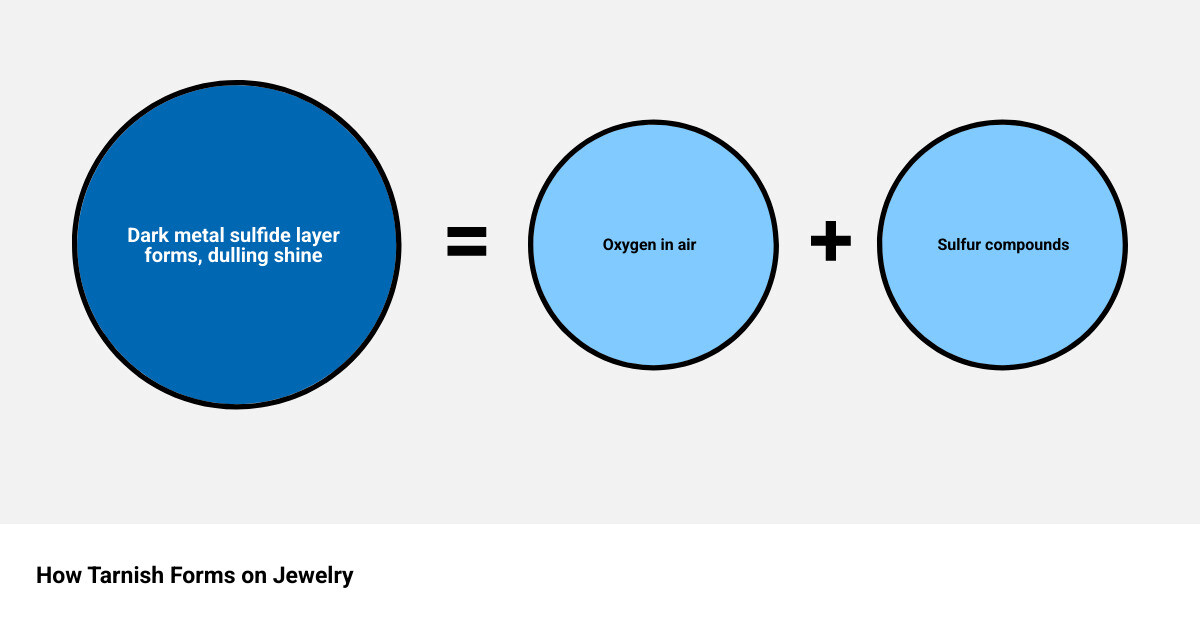
When metal like silver or copper is exposed to oxygen and sulfur in the air, it forms a dull, darkened layer on the surface. Moisture, body oils, and everyday wear speed up the process. The good news? Most tarnish responds surprisingly well to simple household items you already own.
Whether you're restoring a cherished heirloom or refreshing a piece you wear every week, this guide walks you through exactly what to do — step by step, by jewelry type.
I'm Tom Daube, a jewelry designer and one of the top 1% of jewelers in the country, with decades of experience helping people remove tarnish from jewelry and restore pieces to their original brilliance. My background in diamonds and fine custom jewelry means I know not just how to clean jewelry, but how to do it without causing damage — and I'll share all of that here.
Remove tarnish jewelry terms simplified:
- best-jewelry-cleaner-for-diamonds
- how-to-clean-jewelry-even-if-youve-never-tried-it-before
- sparkle-shine-your-guide-to-cleaning-stainless-steel-jewelry
Understanding Why Your Jewelry Loses Its Shine
It happens to the best of us. You pull out your favorite sterling silver necklace for a night out in Northern Virginia, only to find it has turned a ghostly shade of grey or even pitch black. Don't worry—your jewelry isn't "rotting." It’s simply experiencing oxidation from the oxygen and sulfur in the atmosphere.
Tarnish is technically a form of corrosion, but unlike rust on a car, it only affects the very top layer of the metal. When silver is exposed to sulfur-containing substances in the air (like pollution or even certain foods), it creates silver sulfide. This is that dark "film" you see. Copper undergoes a similar struggle, reacting with oxygen to create that familiar brownish or greenish patina.
Interestingly, while we often think of "fine jewelry" as invincible, the reality is that many people are dealing with this issue constantly. Statistics show that 80% of Americans buy fine jewelry for themselves, meaning we are a nation of jewelry lovers who want our pieces to look their best.
Beyond the air itself, your own body is a tarnish catalyst. Humidity, sweat, and skin oils all interact with the metals in your jewelry. Even the lotion or perfume you applied this morning can leave a residue that invites tarnish to sit down and stay a while. Pure gold (24k) and platinum are the "cool kids" of the metal world—they don't tarnish because they aren't reactive. However, since most jewelry is made of alloys (gold mixed with copper or silver to make it stronger), even your gold rings can eventually show signs of dullness.
Proven Methods to Remove Tarnish Jewelry at Home
If you've noticed your pieces looking a bit "blah," you don't always need to rush to a professional. For light maintenance and general dullness, the best starting point is often the simplest: mild dish soap and warm water. We always recommend this as the first line of defense in our how-to-clean-jewelry-even-if-youve-never-tried-it-before guide.
To remove tarnish jewelry that hasn't quite reached "antique treasure" levels of darkness:
- Mix a few drops of mild dish soap (like Ivory or Dawn) into a bowl of lukewarm water.
- Let the jewelry soak for about 20 minutes to loosen oils and grime.
- Use a very soft-bristled baby toothbrush to gently scrub the crevices. Baby toothbrushes are ideal because their bristles are designed for sensitive gums, making them perfect for soft metals.
- Rinse thoroughly in a separate bowl of clean water (avoiding the sink drain!) and pat dry with a lint-free microfiber cloth.
If the tarnish is more stubborn, you might consider a commercial silver polish. You can invest in some silver polish or foam—this one from Goddard’s—that helps to remove tarnishing and leaves a protective coating. Be warned, though, this can get a bit messy. You can get some disposable silver polish wipes or keep a cloth just for your polishing to hand.
Step-by-Step: Remove Tarnish Jewelry with Foil and Baking Soda
For silver that looks like it was pulled from a shipwreck, the "Aluminum Foil Trick" is nothing short of a science-class miracle. This method doesn't just scrub the tarnish off; it uses an electrolytic reaction to actually pull the sulfur atoms away from the silver and transfer them onto the aluminum foil.
What You’ll Need:
- A glass dish or bowl
- Aluminum foil
- Baking soda (Arm & Hammer works great)
- Boiling water
- A pinch of salt (optional, but helps the reaction)
The Process:
- Line the dish: Place the aluminum foil in the bottom of your glass dish, shiny side up.
- Add the jewelry: Lay your tarnished silver pieces directly on the foil. It is vital that the silver makes physical contact with the aluminum.
- Sprinkle: Cover the jewelry with a liberal amount of baking soda (about 2 tablespoons).
- The Big Pour: Pour boiling water over the pieces until they are fully submerged. You should see bubbling and might even smell a "rotten egg" scent—that’s the sulfur leaving your jewelry!
- Soak: Let it sit. The time depends on the severity of the tarnish.
| Tarnish Level | Recommended Soak Time |
|---|---|
| Lightly soiled | 30 - 60 seconds |
| Moderate dullness | 5 - 10 minutes |
| Heavily blackened | 20 minutes (repeat if necessary) |
- Rinse and Buff: Use tongs to remove the jewelry (it’s hot!). Rinse thoroughly under cool water and buff it dry with a soft cloth. You’ll be amazed at the shine.
How to Remove Tarnish Jewelry from Delicate Costume Pieces
Costume jewelry is a different beast entirely. Because it is often made of base metals like brass, copper, or nickel and then plated with a thin layer of gold or silver, you have to be much gentler. Aggressive scrubbing can actually rub the plating right off, leaving you with a patchy, ruined piece.
To clean fashion jewelry without damaging it, we recommend avoiding the "soak" entirely. Water can seep under stones and dissolve the glue holding them in place. Instead:
- Lemon Juice Method: Mix one part water with one part lemon juice. Dip a soft cloth into the mixture and gently wipe the metal parts of the jewelry. The mild acidity helps break down tarnish without being too harsh.
- Ketchup (Yes, Ketchup!): For copper-based costume pieces, the acid in tomatoes works wonders. Apply a tiny amount of ketchup to a cotton swab, rub the tarnished area for a minute, rinse with a damp cloth, and dry immediately.
- Stainless Steel: If your piece is stainless steel, check out our guide on sparkle-shine-your-guide-to-cleaning-stainless-steel-jewelry for specific tips on maintaining that industrial-strength glow.
Protecting Delicate Pieces: Gems, Pearls, and Plated Metals
When you set out to remove tarnish jewelry, you must first identify what else is on that piece. A method that is safe for solid silver might be a death sentence for a pearl or an opal.
Silver is quite soft, rating only 2.5 on the Mohs hardness scale. This means it scratches easily. However, many gemstones are even more sensitive. Pearls, for instance, are organic and porous. If you put a pearl necklace in a baking soda boil, the heat and chemicals could permanently dull its luster or even cause it to crack.
Rules for Gems and Pearls:
- No Soaking for Pearls: Only use a very slightly damp cloth with the mildest soap to wipe the metal around pearls. Never submerge them.
- Porous Stones: Opals, turquoise, and emeralds are porous. Avoid ultrasonic cleaners and harsh chemicals. We go into more detail on this in the-art-of-gemstone-jewelry-care.
- Gold-Plated Items: Be extremely careful. Repeated deep cleaning wears away the plating. If a gold-plated piece is heavily tarnished, it might actually be the base metal underneath showing through, which cleaning won't fix—it will likely need to be re-plated.
Still, Clare Ngai-Howard, founder and creative director of Bonbonwhims (a brand that utilizes materials from enamel to resin and pearls) advises: “For our sterling silver pieces, I use a silver polishing cloth. It’s the safest way to avoid scratching the metal or damaging the stones.”
Proactive Care: How to Prevent Jewelry from Tarnishing
The best way to remove tarnish jewelry is to make sure it never builds up in the first place. While you can't stop the air from existing, you can control how much of it touches your jewelry.
- Airtight Storage: The "jewelry tree" looks beautiful on your dresser, but it’s a tarnish trap. Store your silver in small, individual airtight plastic bags (like Ziplocs) with the air squeezed out.
- Anti-Tarnish Strips: You can buy small black strips of paper called "anti-tarnish strips" to place inside your jewelry box. They act like a magnet for sulfur, absorbing it so your jewelry doesn't have to.
- The "Last On, First Off" Rule: Put your jewelry on after your hairspray, perfume, and lotion have completely dried. Take it off as soon as you get home.
- Wipe After Wear: Give your pieces a quick wipe with a soft cloth after wearing them. This removes the sweat and skin oils that cause tarnish to accelerate while the piece sits in your drawer.
- Wear It Often: Believe it or not, silver often stays shinier when worn frequently. The constant friction against your skin and clothes acts as a natural, gentle polish (just avoid wearing it in the pool or hot tub!).
- Humidity Control: If you live in a particularly humid part of Northern Virginia, consider keeping a silica gel packet (those little "do not eat" bags found in shoe boxes) in your jewelry drawer to soak up excess moisture.
For more metal-specific prevention, see our care-instructions-for-stainless-steel-jewelry-a-lifetime-of-shine.
When to Seek Professional Restoration
Sometimes, DIY isn't the answer. If you have an heirloom piece that has been sitting in an attic for forty years, the tarnish might be accompanied by "pitting" or deep corrosion that home remedies can't touch.
At Washington Diamond, we’ve seen it all. While we love a good home-cleaning hack, there are specific scenarios where you should put down the baking soda and call us:
- Valuable Antiques: If the piece has significant monetary or sentimental value, don't risk a DIY mistake.
- Loose Stones: If the tarnish is heavy, the cleaning process might loosen stones that were already held in by "dirt" or weakened prongs. A professional can check the integrity of the settings while cleaning.
- Heavy Corrosion: If the metal feels rough or "eaten away," it needs a professional polishing wheel to smooth the surface.
- Ultrasonic Cleaning: While you can buy home ultrasonic cleaners, they can be dangerous for certain stones. We know exactly which gems can handle the vibrations and which will shatter.
We take pride in our work, and our commitment to excellence is reflected in the 1,102 five-star reviews for jewelry cleaning and repair services we’ve helped facilitate over the years. Our private, appointment-only studio in Northern Virginia ensures that your jewelry gets the undivided attention it deserves.
Frequently Asked Questions about Tarnish Removal
Can I use toothpaste to clean my silver?
This is a classic "grandma's tip," but we recommend caution. Many modern toothpastes contain abrasive particles (like silica) designed to scrub stains off teeth. These can leave microscopic scratches on soft metals like silver and gold. If you must use it, ensure it is a plain white paste (not a gel) and use a very light touch. However, a dedicated silver cloth is always a better choice.
How often should I clean my jewelry to maintain its shine?
For pieces you wear every day, a quick wipe with a microfiber cloth should happen daily. A deeper "soap and water" soak is great once a month. For silver pieces that you only wear occasionally, check them every few months. If you store them properly in airtight bags, you may only need to clean them once a year.
Is vinegar safe for removing tarnish from all metals?
Vinegar is quite acidic. While it’s great for cleaning solid copper or brass, it can be too harsh for gold-plating or delicate gemstones. If you use vinegar, always dilute it with water and never leave your jewelry submerged for more than a few minutes unless it is solid, un-plated metal. Always rinse thoroughly afterward to neutralize the acid.
Conclusion
Your jewelry is more than just metal and stone; it represents memories, milestones, and personal style. Whether it’s a diamond engagement ring or a fun piece of costume jewelry, knowing how to remove tarnish jewelry ensures those pieces stay as bright as the day you got them.
By using the right methods—like the baking soda and foil trick for silver or a gentle soap soak for gold—you can maintain your collection from the comfort of your home. But remember, the most important step in jewelry care is knowing when to ask for help.
If you’re in Northern Virginia and have a piece that needs more than a home scrub, or if you’re looking for a new piece to add to your collection, we invite you to experience the Washington Diamond difference. Our private studio offers a personalized, pressure-free environment where we treat your jewelry with the same care we’d give our own.
For more expert advice, don't miss our comprehensive diamond-cleaning-care-guide. Let’s keep your jewelry sparkling for a lifetime!
From the blog
View all


