

Don't Get Fooled: The Top 10 Ways to Find a Reputable Jewelry Appraiser Near Me
Why Finding the Right Jewelry Appraiser Protects Your Investment
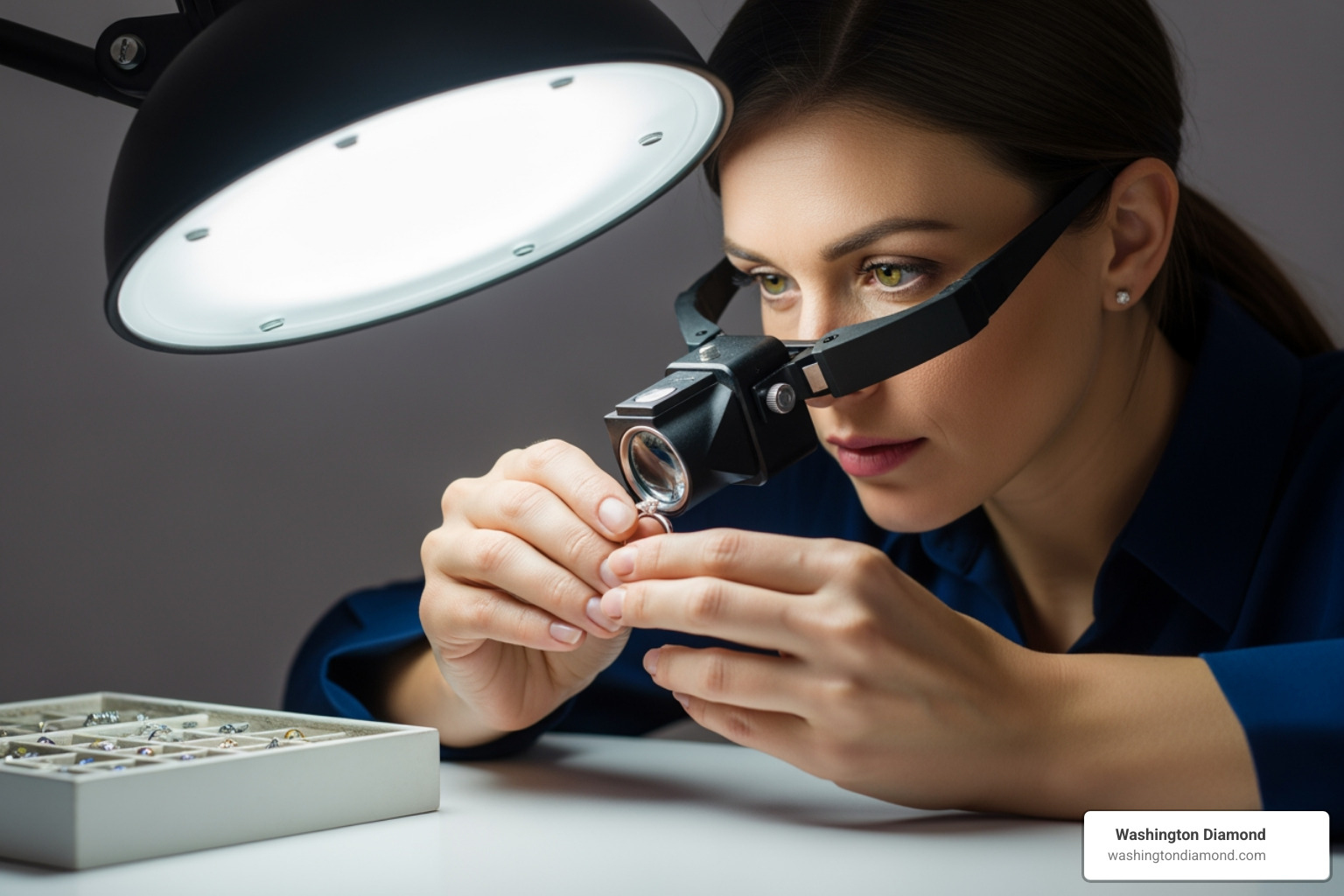
When you find a jewelry appraiser near me, you're looking for a qualified professional who can accurately value your precious pieces for insurance, estate planning, or resale purposes. Here's how to locate a reputable appraiser quickly:
Quick Answer: How to Find a Reputable Jewelry Appraiser
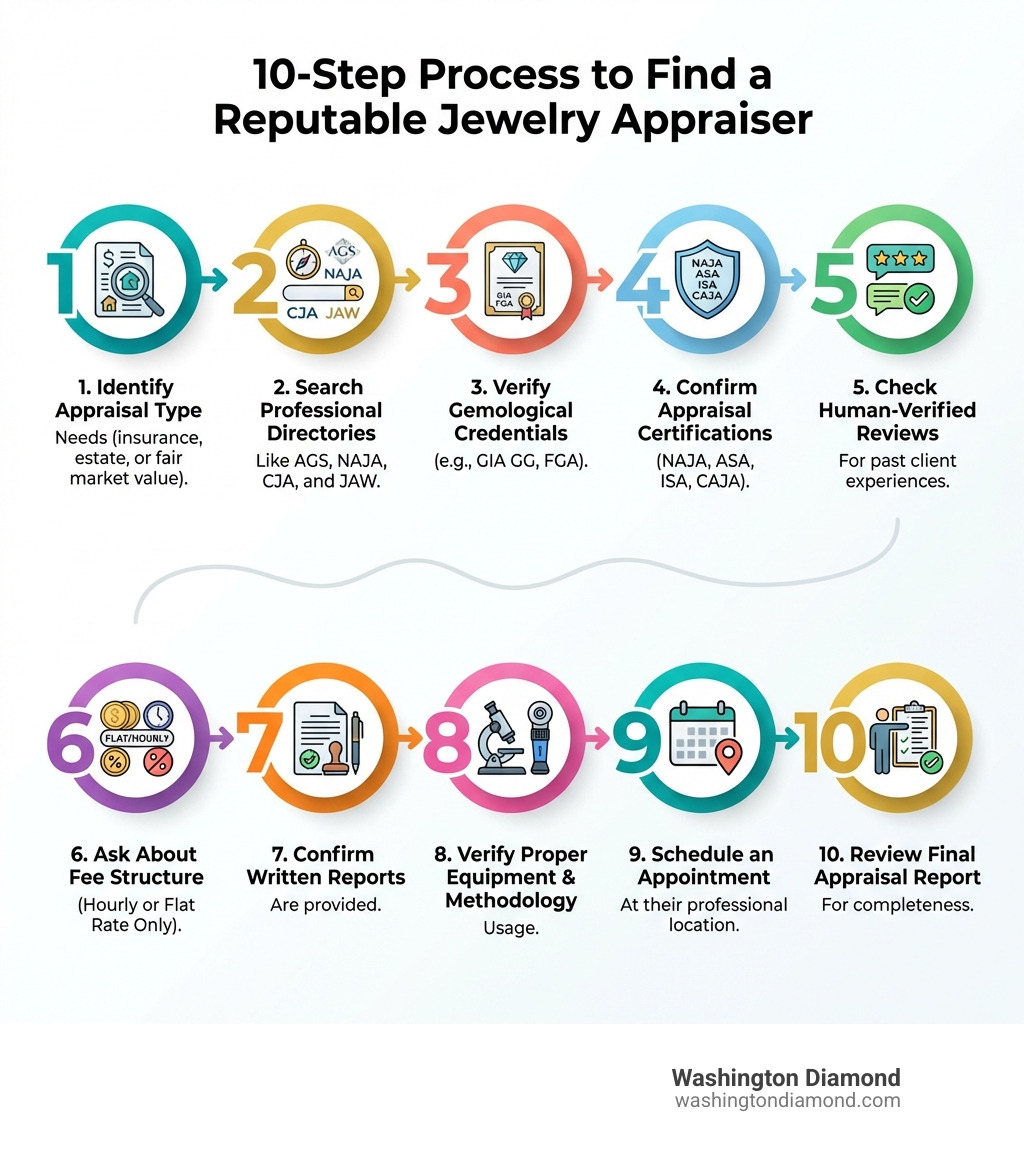
- Check Professional Directories - Search AGS (American Gem Society), NAJA (National Association of Jewelry Appraisers), or JAW (Jewellery Appraisers of the World)
- Verify Credentials - Look for GIA GG (Graduate Gemologist) or FGA degrees combined with appraisal certifications
- Review Their Specialization - Confirm they handle your appraisal type (insurance, estate, or fair market value)
- Ask About Fees - Reputable appraisers charge flat or hourly rates, never a percentage of your jewelry's value
- Read Verified Reviews - Check human-verified testimonials on professional directories
Whether you're insuring an engagement ring, settling an estate, or simply curious about your jewelry's worth, finding the right appraiser makes all the difference. The jewelry appraisal industry includes only 38 fully designated CAJAs in Canada and a limited number of highly qualified professionals worldwide, making it crucial to know what credentials truly matter.
Not all appraisers are created equal. Some jewelers offer appraisals as a side service, while dedicated professionals spend years mastering both gemology and valuation science. The difference shows up in the accuracy of your appraisal report and whether your insurance company accepts it.
I'm Tom Daube, and through decades of working with GIA certified diamonds and helping clients understand jewelry value, I've seen why finding a qualified professional to find a jewelry appraiser near me is essential for protecting your investment. This guide will walk you through the exact steps to locate someone trustworthy.
Find a jewelry appraiser near me terms to remember:
Understand the Qualifications of a Professional Jewelry Appraiser
When you set out to find a jewelry appraiser near me, the first thing you will notice is a sea of acronyms. Understanding these is the difference between getting a professional valuation and a glorified "best guess." A professional appraiser must be an expert in two distinct fields: gemology (the study of the stones) and valuation science (the study of market values).
In Northern Virginia, we see many people assume that any jeweler can provide an appraisal. However, a true professional has usually invested years in formal education. You should look for a Graduate Gemologist (GIA GG) or someone with an FGA degree from the Gemmological Association of Great Britain. But that is only the first half of the equation.
Beyond identifying the stone, the appraiser must belong to a recognized appraisal organization such as the National Association of Jewelry Appraisers (NAJA), the American Society of Appraisers (ASA), or the International Society of Appraisers (ISA). These organizations require members to follow strict ethical guidelines and stay updated on the latest market trends.
| Credential Type | Designation | Issuing Body | Focus Area |
|---|---|---|---|
| Gemological | GIA GG | Gemological Institute of America | Identification & Grading |
| Gemological | FGA | Gemmological Association of Great Britain | Advanced Gemology |
| Appraisal | Certified Member | NAJA | Valuation & Ethics |
| Appraisal | ASA / ISA | American / Intl. Society of Appraisers | Methodology & Standards |
The Difference Between a Gemologist and an Appraiser
It is a common mistake to use the terms "gemologist" and "appraiser" interchangeably. Think of it this way: a gemologist is a scientist, while an appraiser is an economist.
A gemologist uses technical tools—microscopes, refractometers, and polariscopes—to perform technical grading. They determine if a ruby is natural or synthetic and whether a diamond's "D" color grade is accurate. This is the foundation of the process.
An appraiser takes that technical data and applies valuation science. They analyze current market conditions, labor costs for mountings, and the specific "market level" (retail vs. wholesale) required for the report. For a deeper dive into this process, check out Everything You Need to Know About Jewelry Appraisals.
The Role of Organizations Like AGS and NAJA
Professional organizations serve as the "guardians" of the industry. The American Gem Society (AGS) and the National Association of Jewelry Appraisers (NAJA) do more than just hand out certificates; they enforce ethical standards.
When you use a tool like the Find an Appraiser search from NAJA, you are finding someone who has agreed to a peer-review process and regular recertification. This ensures they aren't using outdated pricing from ten years ago. These organizations also provide a channel for consumer protection, ensuring that if an appraiser acts unethically, they can be held accountable by their peers.
Identify the Specific Type of Appraisal You Need
Before you find a jewelry appraiser near me, you must ask yourself: Why am I doing this? The value of a ring isn't a single, fixed number. A ring might have a "Replacement Value" of $10,000 for insurance but a "Fair Market Value" of $4,000 for an estate sale.
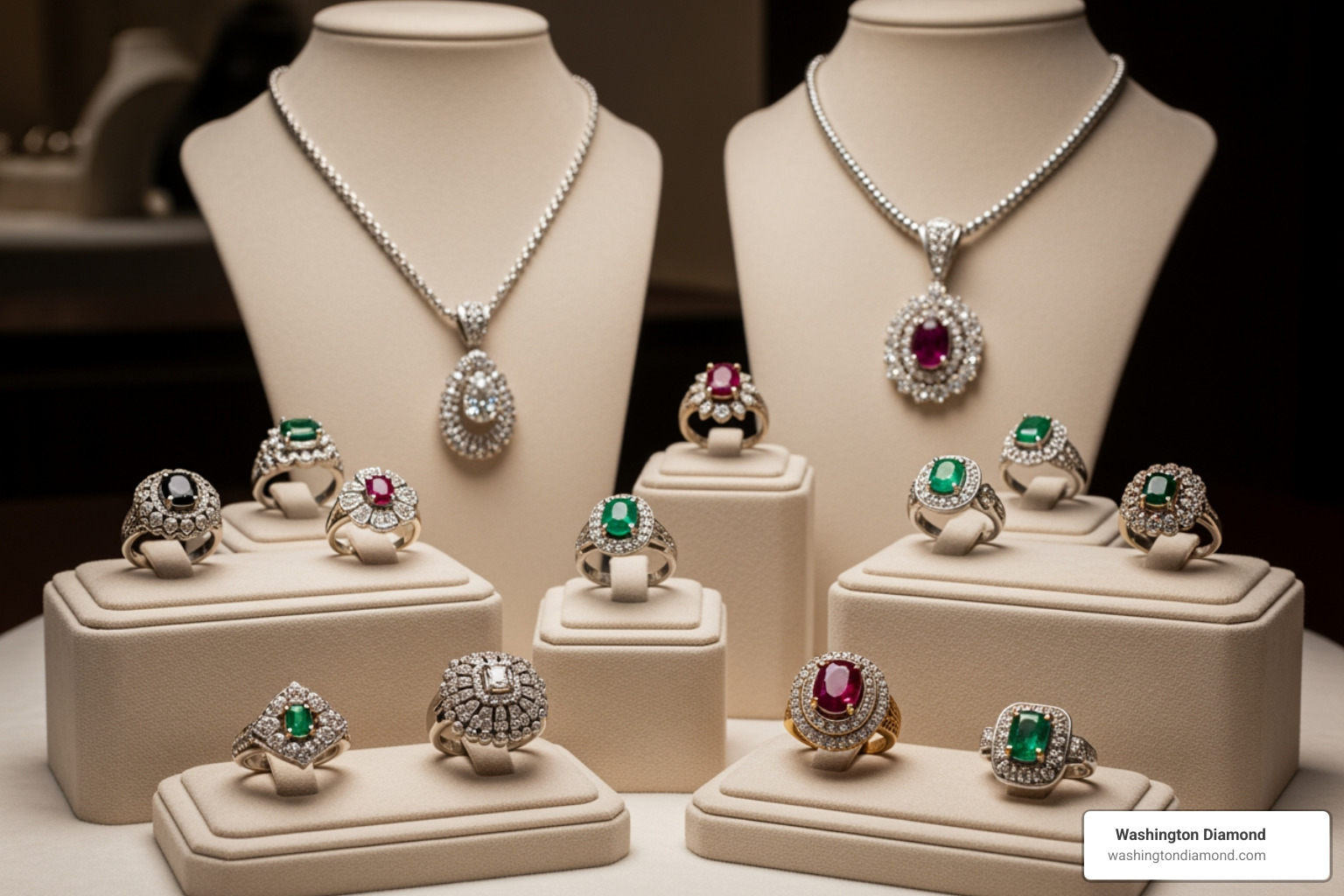
Choosing the wrong type of appraisal can lead to paying too much in insurance premiums or accidentally under-valuing an inheritance. For residents in the DC metro area, understanding these nuances is key to Unlocking Value: Expert Jewelry Appraisal Services in DC.
Appraisals for Insurance and Replacement
This is the most common reason to seek an appraisal. A "Retail Replacement Value" appraisal estimates what it would cost to buy the exact same item (or a near-equivalent) at a retail jewelry store today.
Because gold and diamond prices fluctuate, we often recommend updating these every 3-5 years. This provides inflation protection. If your 1990s engagement ring is still insured for its original price, your policy might not cover the cost of replacing it at today's market rates. Most insurance companies have specific policy requirements, such as a detailed 4Cs breakdown and a photograph of the item, which a professional appraiser will provide.
Estate and Loss-on-Value Appraisals
Estate appraisals are used for tax liability, probate, or equitable distribution among heirs. These typically use "Fair Market Value," which is what a willing buyer would pay a willing seller in a common market—often much lower than retail replacement.
A more niche area is the "Loss-on-Value" (LOV) appraisal. This is often requested after a piece of jewelry has been damaged. Even if a ring is repaired, it may lose value because it is no longer "original." Interestingly, insurers sometimes request an anticipated LOV appraisal before repairs are even completed to decide if restoration is worth the cost. This requires a high level of expertise in Scientific research on professional jewellery valuers to accurately project value under "extraordinary assumptions."
Use Trusted Directories to Find a Jewelry Appraiser Near Me
Don't rely on a simple Google search where the top results are just whoever paid the most for ads. Instead, use industry-vetted directories. These platforms do the legwork of verifying that the appraiser actually holds the credentials they claim to have.
When you want to Find a Jewelry Appraiser Near You, start with the Gemworld International directory. They list professionals across the US and Canada who are committed to accurate gem market information.
Search Local Professional Associations to Find a Jewelry Appraiser Near Me
In our region, we look for those who have local ties to reputable associations. While we are located in Northern Virginia, we often look to the standards set by groups like the American Gem Society (AGS). For our friends across the border, the Canadian Jewellers Association (CJA) is the gold standard.
Did you know there are only 38 fully designated CAJAs (Canadian Accredited Jewellery Appraisers) in all of Canada? This speaks to how rigorous the training is. Whether you are in Falls Church or Toronto, the goal is the same: find someone with regional expertise who understands the local market. Before you commit to a sale or purchase, it's always wise to Calculate the Value of a Diamond Before You Buy or Sell.
Use Global Verification Tools to Find a Jewelry Appraiser Near Me
If you want an unbiased perspective, look for ad-free platforms like Jewellery Appraisers of the World (JAW). They offer human-verified reviews. Unlike some sites where a business can pay to hide bad reviews, JAW verifies the memberships and awards of its listed appraisers. This ensures that the "5-star" rating you see is backed by actual client experiences and professional integrity.
Evaluate Costs and Appointment Expectations
"How much will this cost?" is usually the first question we hear. While it’s tempting to look for the cheapest option, you are paying for expertise and legal protection.
Reputable appraisers charge either a flat fee per item or an hourly rate. You should run—not walk—away from any appraiser who wants to charge a percentage of the jewelry's value. This is a massive conflict of interest; if they get paid more for valuing your ring higher, they have every reason to "inflate" the numbers, which could lead to you paying unnecessarily high insurance premiums. For a full breakdown of what's fair, see our guide: Don't Get Ring Ripped Off: Your Guide to Appraisal Costs.
What to Expect During Your Appointment
A professional appraisal is a clinical process. It isn't just someone looking at your ring through a magnifying glass for two minutes.
During a typical appointment, we will:
- Clean the Jewelry: Dirt can hide inclusions or change the apparent color of a stone.
- Stone Testing: We use specialized equipment to confirm the stone is what it's claimed to be (e.g., distinguishing natural diamond from lab-grown or moissanite).
- Metal Testing: This may involve acid tests or X-ray fluorescence to determine if that "14K" stamp is accurate.
- Photography: High-resolution photos are essential for insurance identification.
Can I Get My Jewelry Appraised While I Wait?
Many of our clients in Northern Virginia have busy schedules and prefer "while you wait" service. This is possible for single items, but it usually requires a scheduled appointment.
The benefit of staying with your jewelry is peace of mind. You don't have to worry about security or "stone switching" (a common, though often exaggerated, fear). However, keep in mind that complex pieces or large estates require significant laboratory time. If you have a 50-piece collection from a grandmother’s estate, expect to leave it in a secure facility for a few days.
Verify the Details of Your Professional Appraisal Report
Once the work is done, you will receive a document. This is a legal record, and it needs to be thorough. A one-paragraph "receipt" from a jeweler is not an appraisal.
A professional report should include:
- Stone Measurements: Millimeters matter!
- The 4Cs: A detailed breakdown of Color, Clarity, Cut, and Carat weight.
- Mounting Details: Is it cast or hand-fabricated? What is the metal fineness?
- Detailed Description: Any unique markings, laser inscriptions, or engravings.
Essential Information Included in a Professional Report
Beyond the jewelry itself, the report must contain the appraiser's signature and their credentials. It must state the purpose of the appraisal (e.g., "For Insurance Purposes Only") and the date of the valuation. Because markets change, an appraisal from 2015 is not a valid reflection of 2024 values. Finally, the methodology should be clear—did they use a diamond price chart or recent auction data?
Frequently Asked Questions about Jewelry Appraisals
How much does a jewelry appraisal typically cost?
Typically, you can expect to pay between $100 and $250 for a single item like an engagement ring. Hourly rates for large collections usually range from $150 to $300 per hour. Always ask for a quote upfront.
Why is it important to get my jewelry appraised?
Without a professional appraisal, you cannot properly insure your jewelry. In the event of theft or loss, an insurance company will only pay out based on the documentation you provide. It also helps in legal matters like divorce or estate settling to ensure everyone gets a fair share.
How often should I update my jewelry appraisal?
We recommend an update every 3 to 5 years. The price of gold and diamonds can shift significantly in that time. If your appraisal is 10 years old, you are likely under-insured.
Conclusion
Finding a reputable professional when you search to find a jewelry appraiser near me doesn't have to be a daunting task. By focusing on certified credentials, transparent fee structures, and verified directories, you can ensure your most "meaningful moments" are protected for a lifetime.
At Washington Diamond, we believe in a personalized approach. Our private, appointment-only studio in Northern Virginia offers you the undivided attention you deserve. Whether you are looking for a new piece or need to understand the value of a family heirloom, we are here to provide a memorable, expert experience.
Ready to see what your jewelry is truly worth? Calculate the value of your diamond today and take the first step toward protecting your investment.
Have a question about your jewelry?
We've been helping clients with diamonds, custom design, repairs, appraisals, and more since 1969. Book a private appointment at our Falls Church studio.
Book an AppointmentTrusted since 1969 · Falls Church, VA · 703-536-3600
From the blog
View all


