

Everything You Need to Know About Jewelry Appraisals
What is a Jewelry Appraisal and Why is it Essential?
Jewelry appraisals are professional evaluations that determine the value of your precious pieces. Here's what you need to know:
Quick Answer:
- What it is: A written document from a certified professional describing your jewelry and its current value
- Why you need one: For insurance, estate planning, charitable donations, and legal matters
- Cost: Typically $100-$200 per piece, or $50-$150 per hour
- How often: Update every 2-3 years for accurate insurance coverage
- Who does it: Certified gemologists or professional appraisers with credentials like GIA Graduate Gemologist (G.G.)
A jewelry appraisal is an expert determination of worth by a certified professional. They examine your piece with specialized tools, assessing gemstone quality (using the "four Cs" for diamonds), metal type, craftsmanship, and condition.
An appraisal is your financial safety net for meaningful jewelry. It ensures you can replace a piece if it's lost, stolen, or damaged. Without one, insurance may not cover the full replacement cost.
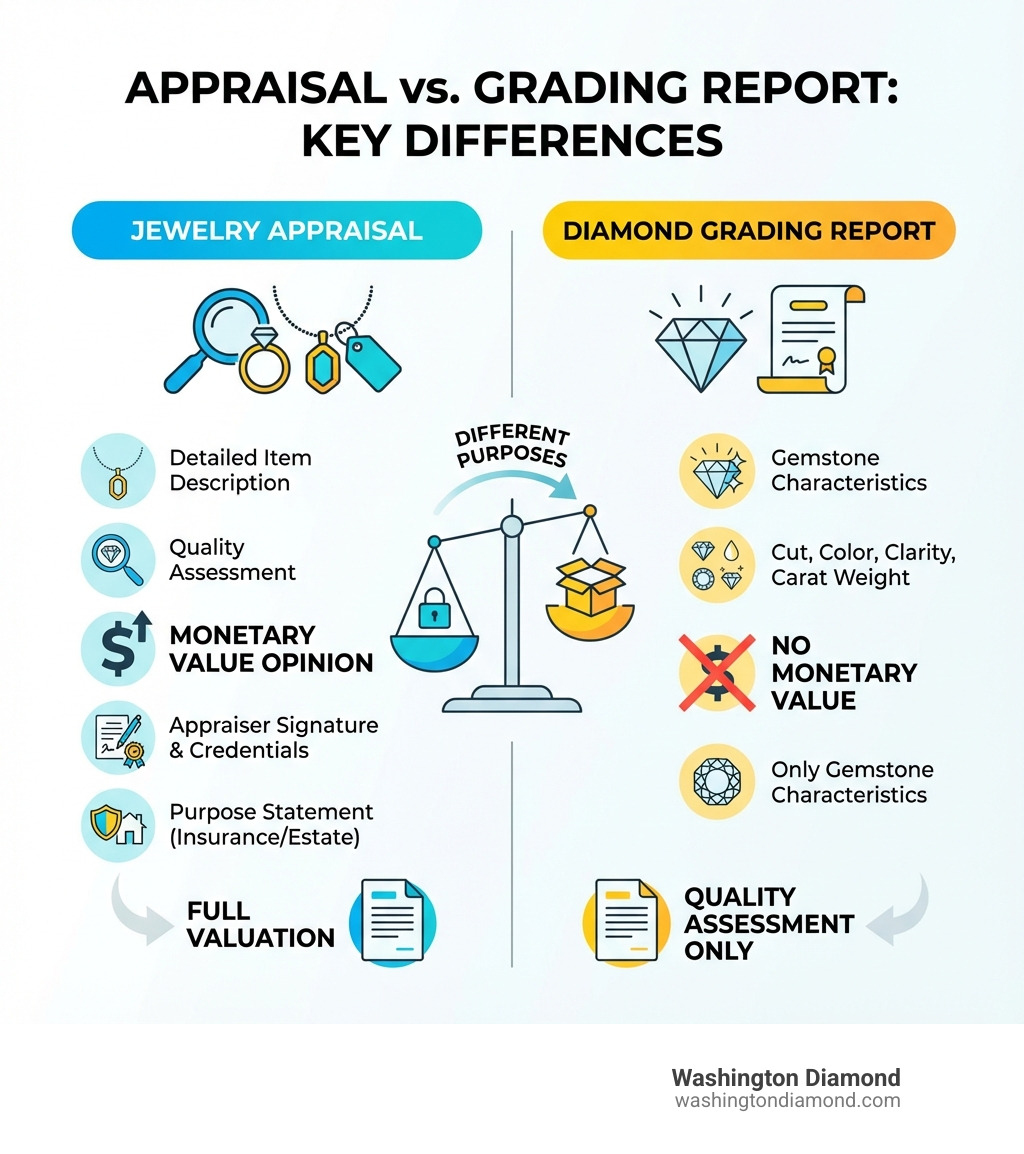
An appraisal is not the same as a grading report. GIA grading reports describe a diamond's quality but assign no monetary value. An appraisal provides both the description and the dollar amount needed for replacement.
Understanding the Types and Costs of Jewelry Appraisals
When we talk about jewelry appraisals, it's not a one-size-fits-all situation. The purpose behind your appraisal significantly influences the type of valuation you'll receive and its cost. Understanding these nuances is crucial for ensuring your precious pieces are valued correctly for their intended use.
The Main Types of Jewelry Appraisals
Different needs call for different types of valuations. Here are the primary kinds of jewelry appraisals:
Insurance Replacement Value: This is the most common type of appraisal. It establishes the cost of replacing an item in a retail jewelry store. If your jewelry is lost, stolen, or damaged, your insurance company uses this value for replacement or compensation. We strongly recommend this appraisal for any valuable piece you wish to insure.
Fair Market Value (FMV): This reflects an actual selling price between a willing buyer and seller. This value represents the item's worth in its current (used) condition and is typically used for charitable donations, estate appraisals, and some divorce settlements.
Immediate Liquidation Value: This appraisal reflects lower values for urgent situations requiring a quick sale, such as certain divorce or estate liquidations. The value is significantly lower than fair market or insurance replacement values.
Estate Appraisals: When managing an estate, appraisals are essential for equitable distribution and for tax purposes. The valuation is typically Fair Market Value.
Charitable Donations: If you donate valuable jewelry, you'll need an appraisal to determine its Fair Market Value for tax deduction purposes.
Divorce Settlements: Jewelry appraisals are critical for equitable distribution of assets in a divorce. Depending on legal requirements, either Fair Market Value or Immediate Liquidation Value might be used.
Organizations like IGI offer comprehensive appraisals for various needs. You can learn more about these options directly from IGI's services page: More on appraisal types from IGI.
Factors Influencing Appraisal Cost
The cost of a jewelry appraisal is influenced by several key factors:
- Appraiser's Expertise and Credentials: Highly qualified appraisers with advanced gemological certifications (like a GIA G.G.) typically charge more for their expertise.
- Geographic Location: Costs can vary by location. In areas like Northern Virginia, prices might be on the higher end.
- Complexity of the Piece: A simple gold band is quicker to appraise than an intricate antique necklace. The more time and expertise required, the higher the cost.
- Purpose of Appraisal: Insurance appraisals often require more detailed reports and can be more expensive.
- Flat Fee vs. Hourly Rate: Appraisers charge either a flat fee per item or an hourly rate, which usually ranges from $50 to $150.
- Number of Items: Some appraisers may offer a reduced rate per item for larger collections.
Typical Cost and What to Avoid
You can generally expect to pay $100 to $200 for a professional appraisal of a single item. Hourly rates typically range from $50 to $150.
However, there's a crucial ethical consideration: avoid any appraiser who charges a percentage of the jewelry's value. This practice is unethical, illegal under Federal Trade Commission (FTC) guidelines, and creates a conflict of interest. An appraiser's fee should be based on the time and expertise required, not the value they assign. This ensures you receive an honest and unbiased valuation.
The Appraisal Process and Finding a Qualified Expert
Starting on the journey of having your jewelry appraised might feel a bit mysterious, but we're here to explain it for you. Understanding the process and knowing how to find a truly qualified expert will ensure you receive an accurate and trustworthy valuation for your cherished pieces.
What to Expect During the Appraisal
When you bring your jewelry in for an appraisal, you're initiating a thorough examination by a trained professional. Here’s a general overview of what that process entails:
- Timeline: The duration can vary. For a single, straightforward item, a professional appraisal might take around an hour. However, if you have a larger group of items or particularly complex pieces, the process could extend up to one or two weeks. This allows the appraiser ample time for detailed examination, research, and report preparation.
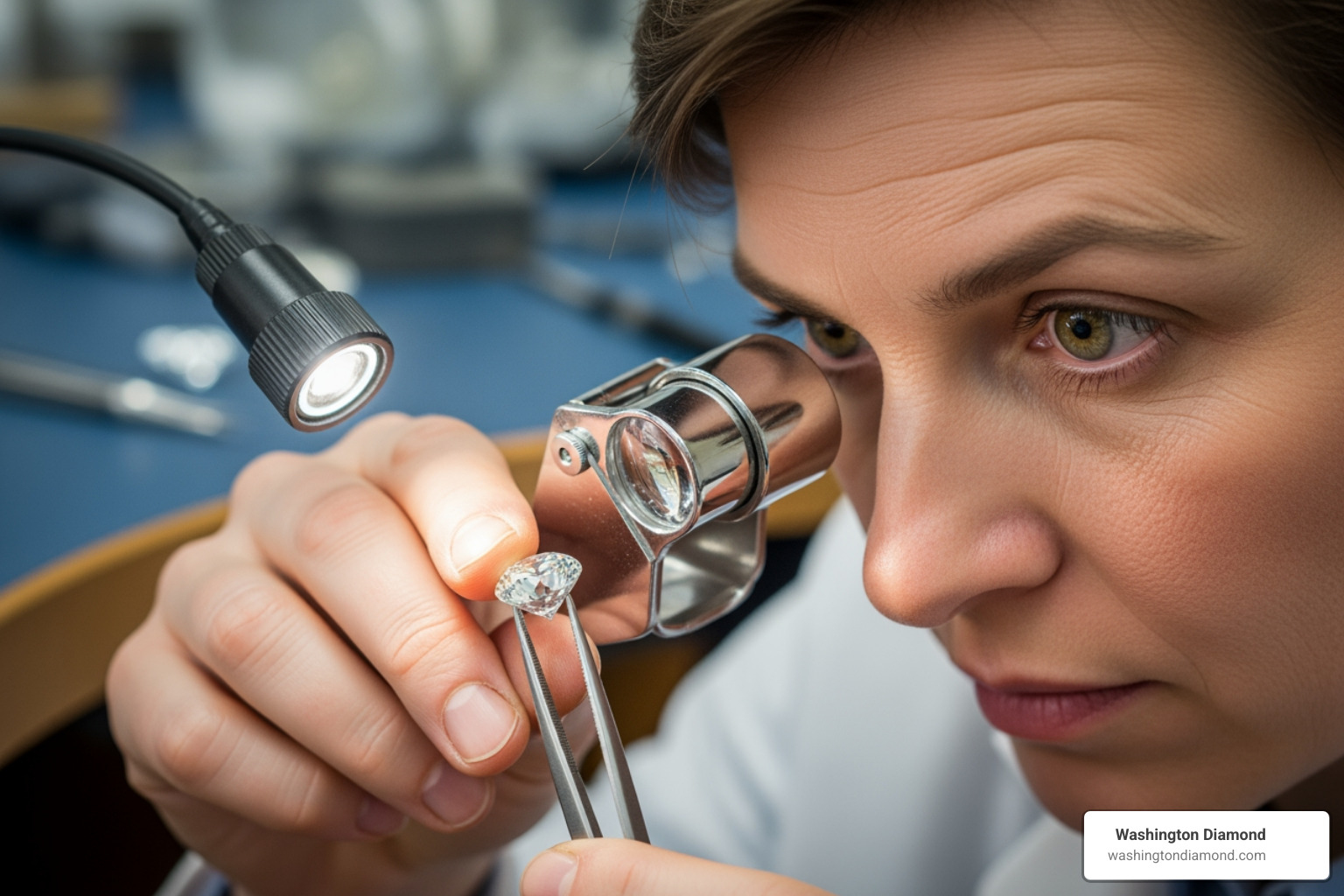
- Examination Process: Your appraiser will carefully inspect your jewelry. This involves identifying the type of metal (gold, platinum, silver), assessing its purity, and examining all gemstones. For diamonds, they'll carefully grade the "four Cs": carat weight, cut, color, and clarity. They'll also look for identifying marks, unique characteristics, and assess the quality of craftsmanship and the overall condition of the piece.
- Gemological Tools: To perform this detailed examination, appraisers use a suite of specialized tools. These include loupes (magnifying glasses), microscopes, and sometimes ultraviolet light to observe characteristics invisible to the naked eye. These tools help them accurately identify gemstones, detect treatments, and assess quality.
- Documenting Your Piece: A critical part of the appraisal is documenting your jewelry. This often includes taking high-quality photographs, measuring dimensions, noting any engravings or unique features, and recording the weight of the piece and its components. This detailed documentation helps to prevent concerns about switching and provides a clear record of your item.
- Leaving Jewelry vs. While-You-Wait Appointments: Some appraisers offer while-you-wait appointments, especially for single items, allowing you to observe the process. For more complex pieces or larger collections, you might need to leave your jewelry with the appraiser for a period. When you leave your jewelry, always ensure the appraiser provides a detailed receipt and has appropriate insurance coverage for items in their care. Our private, appointment-only studio model ensures that you receive our undivided attention, making the process as transparent and comfortable as possible.
What's Included in a Professional Appraisal Report?
A professional jewelry appraisal report is a comprehensive document—it's much more than just a value. It serves as a detailed record of your jewelry and the basis for its valuation. Here's what you should expect to find in a thorough report:
- Detailed Description: This is the heart of the report. It will include the type of jewelry (e.g., "platinum diamond engagement ring"), a precise description of its design, and any identifying marks or engravings.
- Gemstone Quality (4Cs): For diamonds, the report will specify the carat weight, cut grade, color grade, and clarity grade for each stone. For other gemstones, it will detail their type, color, clarity, and dimensions.
- Metal Type and Weight: The type of metal (e.g., 14K white gold, platinum) and its approximate weight will be noted.
- Measurements: Precise measurements of the jewelry item itself and individual gemstones will be included.
- Identifying Marks: Any hallmarks, maker's marks, or other unique identifiers found on the piece will be recorded.
- High-Quality Photograph: A clear photograph of your jewelry is essential for identification and documentation.
- Stated Value: This is the monetary opinion of value, clearly stating the type of value (e.g., "Retail Replacement Value") and the effective date of the appraisal.
- Appraiser Qualifications: The report should include the appraiser's signature, their gemological and appraisal credentials, and details about their professional affiliations. This adds credibility to the report.
- Purpose of the Appraisal: The report should explicitly state why the appraisal was conducted (e.g., "for insurance purposes").
- Limiting Conditions and Assumptions: Appraisals often include statements about any conditions that limit the scope of the appraisal, such as estimating the weight of mounted stones.
- Disclosure Statements: These typically confirm the appraiser's independence and lack of financial interest in the item.
For more in-depth guidance on what to look for in an appraisal report and how to prepare for your appraisal, GIA offers excellent advice: Tips on Getting a Jewelry Appraisal.
How to Find a Trustworthy Appraiser
Finding a qualified and trustworthy jewelry appraiser is paramount. Since there are currently no U.S. laws or regulations that set educational standards or require certifications to become a jewelry appraiser, it falls on you to do your homework. Here’s what we recommend:
- Jeweler vs. Independent Appraiser: You can have your jewelry appraised at your local jeweler. However, it's worth considering the difference. A jeweler who also appraises might be very knowledgeable about current market trends and styles. An independent appraiser, on the other hand, works solely on appraisals and has no vested interest in selling you a new piece of jewelry, thus ensuring complete impartiality. While both can be highly qualified, an independent appraiser might offer a perception of greater objectivity.
- Gemological Credentials (GIA G.G.): Look for appraisers with strong gemological training. The Graduate Gemologist (G.G.) diploma from the Gemological Institute of America (GIA) or an equivalent certification from a recognized gemological institute (like the Gemmological Association of Great Britain, GEM-A) is a strong indicator of expertise in identifying and grading gemstones.
- Appraisal Training (USPAP): Gemological training is different from appraisal training. A qualified appraiser should also have specific training in appraisal methodology and adhere to professional standards like the Uniform Standards of Professional Appraisal Practice (USPAP). USPAP provides a framework for ethical and competent appraisal practice. The Appraisal Foundation, a Congressionally authorized non-profit, sets these minimum educational qualifications, recommending 120 classroom hours for personal property appraisers.
-
Professional Organizations: Membership in reputable national appraisal organizations signals a commitment to ethical standards and ongoing education. Key organizations to look for include:
- American Gem Society (AGS)
- National Association of Jewelry Appraisers (NAJA)
- American Society of Appraisers (ASA) These associations often have searchable directories to help you find qualified professionals in Northern Virginia and beyond.
-
Questions to Ask a Potential Appraiser: Before committing, we encourage you to interview potential appraisers. Here’s a list of questions to help you assess their suitability:
- Are you an independent appraiser, or are you affiliated with a retail jewelry store?
- Where did you receive your gemological and appraisal training? What professional designations do you hold?
- Are you a member of any national appraisal organizations, and do you adhere to USPAP?
- Can you provide references?
- Do you have experience appraising my specific type of jewelry (e.g., antique, custom, rare gemstones)?
- How do you stay current with market trends and ongoing education?
- What information will be included in the appraisal report?
- Do you have insurance to cover my jewelry while it’s in your possession?
- What is your fee structure, and what is your estimated cost and timeline for my appraisal? (Never accept a percentage-based fee!)
By asking these questions and checking their credentials, you can confidently select a qualified and trustworthy appraiser for your valuable jewelry.
Online Appraisals vs. Professional Jewelry Appraisals
In our increasingly digital world, the convenience of online services is undeniable. This extends to jewelry appraisals, with various platforms offering quick, virtual valuations. However, it's crucial to understand the distinct differences between online appraisals and traditional professional appraisals, particularly concerning their accuracy, accepted uses, and limitations.
| Feature | Online Appraisal | Professional Appraisal |
|---|---|---|
| Accuracy | Preliminary estimate, potential inaccuracies | Highly accurate, detailed, expert opinion |
| Cost | Often free or low-cost | $100-$200 per piece, or $50-$150/hour (paid service) |
| Time | Instant (20-30 seconds) | 1 hour to 2 weeks per item/collection |
| Accepted Uses | Informational, curiosity, preliminary understanding | Insurance, legal, estate, sale, charitable donation |
| Method | AI analysis of uploaded photos | Hands-on examination by certified gemologist/appraiser |
| Limitations | Cannot verify authenticity, internal flaws, metals | Requires physical access to jewelry, can take longer |
| Recommendation | Good first step to gauge potential value | Essential for official valuations and high-value items |
How Online Appraisals Work
Online appraisals typically leverage technology to provide a rapid, preliminary valuation. Here's a quick look at how they function:
- AI Technology: Many online appraisal platforms use artificial intelligence. You upload photos of your jewelry, and the AI, trained on vast datasets of jewelry images and corresponding appraisal data, attempts to identify features like materials, gemstones, styles, and potential hallmarks.
- Photo Uploads: The process usually involves taking clear, well-lit photos of your jewelry from multiple angles. The quality of these images directly impacts the AI's ability to "see" and analyze the piece.
- Speed: One of the main appeals of online valuations is their speed. Virtual appraisals can often be generated within 20 to 30 seconds after you upload your item images, providing an almost instant estimate.
- Preliminary Estimates: These tools are designed to give you a quick, estimated value range, not a definitive dollar value. They're excellent for satisfying curiosity or getting a ballpark figure.
The Limitations of Online Valuations
While undeniably convenient, online appraisals have significant limitations that we believe are crucial for our clients in Northern Virginia to understand:
- Not for Insurance: This is perhaps the most critical limitation. Online appraisals are intended as preliminary valuations and for informational purposes only. They are generally not accepted by insurance companies for coverage or claims. For insurance, legal proceedings, or high-value transactions, you will always need a certified, professional appraisal.
- Not for Legal Use: Similarly, online valuations lack the legal standing required for estate planning, divorce settlements, or charitable donations. These situations demand the verifiable expertise and detailed documentation of a professional appraiser.
- Potential Inaccuracies: Because AI relies solely on visual data from photos, it cannot account for subtle details, internal flaws, or the exact composition of metals that a human appraiser can physically examine. Market fluctuations, authenticity, brand markings, weight, size, condition, or the history behind a specific piece are all factors that are difficult for AI to fully assess, leading to potential inaccuracies.
- Inability to Test Materials: An online tool cannot physically test the purity of metals, identify gemstone treatments, or detect synthetic stones. These critical steps are part of a professional appraisal and significantly impact value.
- A Useful First Step Only: While not a substitute for a professional appraisal, an online assessment can be a useful first step. It can provide quick insights into your item's potential value, helping you decide if further investment in a certified appraisal is necessary for your specific needs. It's like getting a quick online home estimate before hiring a professional appraiser for a sale—it's a starting point, not the final word.
For any official purpose or for high-value items, we strongly recommend consulting a certified appraiser.
Keeping Your Appraisal Current and Your Insurance Updated
Just like a fine wine, the value of your jewelry can change over time. Market conditions, the price of precious metals, and even fashion trends can all impact what your cherished pieces are worth. That's why keeping your jewelry appraisals current is just as important as getting one in the first place.
How Often Should You Get Jewelry Appraisals Updated?
An appraisal is a snapshot in time—a reflection of your jewelry's value on a specific date. Because market conditions are dynamic, that snapshot can quickly become outdated.
- Recommended Every 2-5 Years: We, along with many appraisers and insurance companies, recommend getting a new appraisal every two to three years. Some sources suggest up to five years, but two to three offers a safer buffer against significant market shifts.
- Market Fluctuations: The prices of precious metals like gold, platinum, and silver constantly fluctuate. What your gold necklace was worth two years ago might be significantly different today.
- Precious Metal Prices: Global demand, economic stability, and mining output all play a role in the price of these commodities. An increase can mean your jewelry is worth more, and an outdated appraisal could leave you under-insured if you need to replace it.
- Gemstone Values: The value of diamonds and other gemstones can also change due to new findies, changes in demand, or advancements in treatment technologies. Ensuring your appraisal reflects current market values for these stones is crucial.
- Ensuring Adequate Coverage: The primary reason for regular updates is to ensure you have adequate insurance coverage. An outdated appraisal could leave you severely under-insured. If your $10,000 engagement ring from five years ago is now worth $15,000 due to market appreciation, but your policy is still based on the old appraisal, you could face a significant financial loss if it needs to be replaced.
Regular updates protect your investment and give you continued peace of mind, knowing that your insurance policy accurately reflects the true replacement cost of your beloved jewelry.
How to Update Your Insurance Policy
Once you have a new, updated jewelry appraisal, the next critical step is to inform your insurance provider. This process is usually straightforward but essential for maintaining proper coverage:
- Contacting Your Insurance Agent: Reach out to your insurance agent or provider directly. Many companies have specific departments or online portals for handling jewelry policy updates.
- Submitting the New Appraisal Document: You will need to provide your insurance company with the new appraisal report. This typically involves uploading the document through their online portal, emailing it to your agent, or mailing a physical copy. Ensure the document is complete, signed by the appraiser, and clearly states the new valuation and effective date.
- Adjusting Coverage and Premiums: Based on the new appraisal, your insurance provider will adjust your policy's coverage amount. If the value of your jewelry has increased, your coverage will likely increase, and there might be a slight adjustment to your premium. Conversely, if the value has decreased (though less common for fine jewelry over time), your premium might go down.
- Avoiding Being Under-Insured: This step is vital to avoid being under-insured. An outdated appraisal could leave you with a significant gap between what your jewelry is actually worth and what your insurance policy would pay out in the event of a loss. By proactively updating your policy, you guarantee that your cherished pieces are fully protected at their current market value.
Some insurance providers, like Jewelers Mutual Group, even offer features like Insurance Value Adjustment (IVA), which can automatically adjust your coverage based on market trends if your appraisal hasn't been updated recently. However, submitting a new appraisal is always the most accurate way to ensure your policy reflects the precise value of your items.
Conclusion: Secure the Value of Your Meaningful Jewelry
As we've explored, jewelry appraisals are far more than just a formality; they are an indispensable tool for protecting the tangible and sentimental value of your precious pieces. From understanding the different types of valuations to finding a qualified expert and keeping your appraisals current, each step is crucial for safeguarding your investment.
We've learned that a professional appraisal provides an expert determination of value, essential for insurance, estate planning, and various legal purposes. It's a comprehensive document, carefully detailing your jewelry's characteristics, unlike a simple grading report. We've also highlighted the importance of choosing a trustworthy appraiser—one with strong gemological credentials, appraisal training, and affiliations with reputable organizations—to ensure an unbiased and accurate valuation. And while online tools offer convenience for preliminary estimates, we've seen their limitations when it comes to official and high-value needs.
At Washington Diamond, we understand that every piece of jewelry tells a unique story, often marking life's most meaningful moments. We believe in empowering our clients with the knowledge and resources to protect these cherished heirlooms. Our private, appointment-only studio in Northern Virginia is designed to offer you undivided attention, ensuring a memorable and personalized experience as you explore fine jewelry.
Protecting your jewelry means protecting your memories, your investment, and your peace of mind. Whether you're acquiring a new piece or assessing a treasured heirloom, a professional jewelry appraisal is your best ally. It's a small investment that yields significant security, ensuring that should the unexpected happen, you're prepared.
To further assist you in understanding the value of your precious stones, we invite you to explore our comprehensive guide: Calculate the value of your diamond with our guide.
Have a question about your jewelry?
We've been helping clients with diamonds, custom design, repairs, appraisals, and more since 1969. Book a private appointment at our Falls Church studio.
Book an AppointmentTrusted since 1969 · Falls Church, VA · 703-536-3600
From the blog
View all


