

The Secret Sparkle: What to Know About Diamonds Inside the Band
The Hidden Gem You Never Knew You Needed: What a Diamond Inside a Ring Really Means
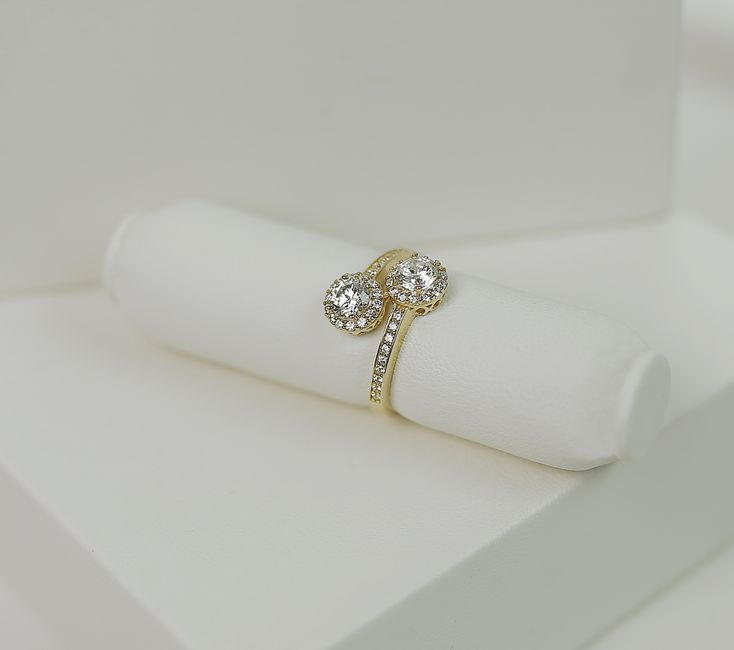
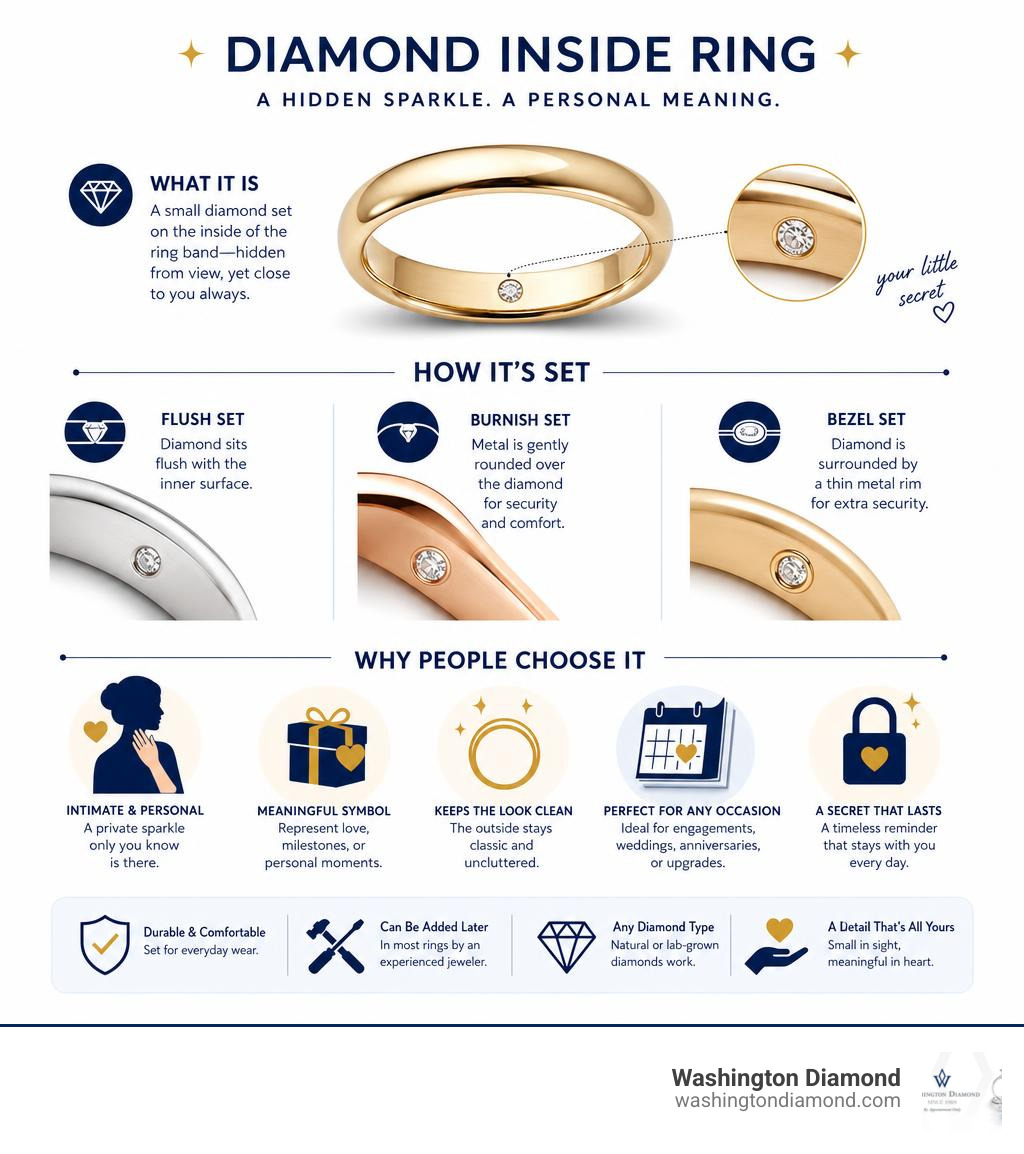
A diamond inside a ring — sometimes called a secret stone or inner shank diamond — is a small diamond (or cluster of diamonds) set on the interior of a ring band, hidden from view unless the wearer chooses to show it.
Quick answer for those searching "diamond inside ring":
- What it is: A diamond set on the inside surface of a ring band, invisible when worn
- Why people choose it: For intimacy, personalization, and a private symbol of meaning
- Common uses: Engagement rings, wedding bands, anniversary upgrades
- Setting styles used: Flush set, burnish set, or bezel set for comfort and security
- Cost: Generally adds a modest premium; lab-grown diamonds keep costs low
- Can it be added later? Yes, in most cases, by an experienced jeweler
Most people think of diamonds as something you show off — a center stone catching light from across a room. But there's a quieter tradition growing in popularity: placing a diamond where only the wearer knows it exists.
It's a deeply personal choice. The ring looks clean and simple from the outside. But the person wearing it carries a small secret sparkle against their skin every single day.
This idea isn't entirely new. Jewelers have long used the inner band for engravings — names, dates, short phrases. Adding a diamond takes that private gesture one step further.
Whether you're planning an engagement, upgrading a wedding band, or simply want something meaningful and yours, understanding how inner band diamonds work is worth your time before you buy.
I'm Tom Daube, a jewelry designer and diamond specialist with decades of experience helping clients find and create meaningful pieces — including custom diamond inside ring designs crafted to carry personal significance. In the sections ahead, I'll walk you through everything you need to know to make a confident, informed choice.
What is a Diamond Inside Ring?
A diamond inside ring features a gemstone physically embedded into the inner metal surface of the band. This surface is known in jewelry terminology as the inner shank. Unlike traditional rings where the diamond is held aloft by prongs or set along the outer band to catch the eyes of passersby, an inner band diamond is a private treasure. It rests directly against the wearer's skin, making it a tactile, intimate symbol.
To achieve this, jewelers use a specialized setting technique known as a flush setting (or burnish setting). The jeweler drills a tiny, precise hole into the inner shank, creates a seat for the stone, inserts the diamond, and then uses a burnishing tool to rub the surrounding metal over the edge of the stone. This locks the diamond securely in place without any raised prongs or sharp edges, ensuring the inner surface remains completely smooth.
This subtle touch of hidden luxury traces its roots back to ancient traditions. To understand why we place such high emotional value on these hidden stones, it helps to explore The Legend and Symbolism of the Diamond. Historically, diamonds have symbolized eternal love, strength, and invincibility. Placing that powerful symbol directly against the skin transforms the ring from a public display of status into a personal talisman of devotion.
The Symbolism of a Secret Stone
The primary appeal of a secret stone is the quiet intimacy it represents. It acts as a private whisper between partners. When so much of our lives is shared publicly, a hidden diamond is a beautiful way to keep a piece of your relationship entirely to yourselves.
For many couples, the hidden stone represents a "secret anchor"—a private reminder of commitment, shared history, or a personal milestone. At Washington Diamond, our custom designs often incorporate these secret stones to represent personal stories. Because we operate as a private, appointment-only studio in Northern Virginia, we work closely with you to design a piece where the hidden stone carries a narrative known only to the two of you.
How It Differs from Traditional Settings
When you compare a diamond inside ring to a traditional setting, the contrast is all about where the energy of the design is focused:
- Traditional Settings: Focus heavily on outer sparkle and maximum light performance. The diamonds are set in prongs, channels, or pavé bands to maximize visibility and catch external light.
- Inner Band Settings: Prioritize comfort, sleekness, and personal sentiment. The diamond is flush with the metal, resulting in zero snagging and a smooth "comfort fit" profile.
This creates an intriguing design contrast. A wedding band can appear to be a classic, unadorned gold or platinum band from the outside, maintaining a minimalist or vintage aesthetic, while hiding a brilliant secret on the inside.
Design Features and Customization Options
Designing a custom ring allows you to step into the role of a creator. When you decide to add an inner band stone, you unlock a wide array of personalization choices that go far beyond standard catalog options.

Customizing Your Diamond Inside Ring
The inner shank of a ring is incredibly versatile canvas. Beyond a single classic white diamond, you can customize this space in several creative ways:
- Secret Birthstones: Many couples choose to set their partner's birthstone (or their children's birthstones) on the inside of the band.
- Combining with Engravings: A hidden stone pairs beautifully with custom text. You can place a diamond between your initials, use it to dot an "i" in a loved one's name, or place it at the end of a significant date.
If you are brainstorming the perfect message to accompany your hidden stone, explore our curated lists of Engraving Ideas for Couples and Popular Engravings on Wedding Rings. For more tailored inspiration, you can also browse our Engraving Ideas for Her - Ultimate Guide, check out Short Engraving Quotes for Him, or dive into our massive list of 130 Wedding Band Engraving Ideas.
Metal and Diamond Quality Choices
Choosing the right metal and diamond type is crucial for ensuring your ring lasts a lifetime.
-
Metal Selection:
- Platinum: The premier choice for security and durability. Platinum holds stones incredibly securely because it is a dense, malleable metal that doesn't wear away over time.
- 18k and 14k Gold: Excellent choices available in yellow, white, and rose gold. 14k gold is slightly harder and more scratch-resistant than 18k gold due to its alloy composition, making it highly durable for everyday wear.
- Diamond Quality: Because the diamond set inside the band is typically small (usually between 0.01 and 0.03 carats), you do not need to invest in the highest color or clarity grades to enjoy its beauty. However, choosing a well-cut stone ensures it still flashes with brilliant fire whenever you take the ring off. For additional educational background on how cut, color, clarity, and carat weight influence a diamond's appearance and value, the Gemological Institute of America offers a helpful overview of diamond quality factors.
- Lab-Grown vs. Natural: Both options are physically, chemically, and optically identical, ranking a maximum 10 on the Mohs hardness scale. Lab-grown diamonds offer incredible value, typically pricing 50-60% less than mined diamonds. This budget flexibility allows you to allocate more of your budget toward a larger, higher-quality center stone on top, or premium metal options.
At Washington Diamond, we curate a premium selection of both natural and lab-grown stones, guiding you through the selection process in our relaxed, private studio environment.
The Appeal of a Diamond Inside Ring
Why choose a hidden diamond over a ring that puts all its sparkle on display? The appeal lies in a perfect blend of practical utility and romantic sentiment.
Practical Benefits for Everyday Wear
For those with active lifestyles, hands-on careers, or a preference for clean, understated style, a diamond inside ring offers incredible practical advantages:
- Scratch and Impact Protection: Because the diamond is nested securely inside the metal band, it is completely shielded from external impacts, harsh surfaces, and accidental knocks.
- Snag-Free Design: Traditional prong settings can easily snag on clothing, hair, or knitwear. A flush-set inner diamond has a completely smooth, flat surface that will never catch on delicate fabrics.
- Low-Profile Elegance: It allows you to maintain a classic, clean metal aesthetic on the outside while enjoying the luxurious knowledge of the hidden sparkle within.
For couples who appreciate turning subtle personal touches into lasting memories, you can read about the emotional depth of these custom details in From Scribbles to Sentiments: The Cutest Wedding Band Engraving Ideas.
Pricing and Value Comparison
Adding a hidden diamond is highly cost-effective. Because the stones used are small accent gems, they do not carry the premium pricing of large center stones.
| Feature | Traditional Diamond Ring (Accent-Heavy) | Diamond Inside Ring (Hidden Accent) |
|---|---|---|
| Primary Sparkle Focus | Highly visible, external | Private, internal |
| Average Accent Stone Size | 0.05 to 0.15+ carats | 0.01 to 0.03 carats |
| Prong Snag Risk | Moderate to High | None (Flush set) |
| Metal Wear Protection | Low (Exposed stones) | High (Encased in band) |
| Average Cost Premium | Higher (Multiple stones/settings) | Low (Single stone + flush labor) |
This structural difference gives you incredible budget flexibility. By keeping the accent hidden, you can opt for a larger center stone or invest in premium platinum without exceeding your target budget.
Maintenance, Resizing, and Care
While a hidden diamond is highly protected from the outside world, it still requires proper care to maintain its secret brilliance over the years.
Caring for a Diamond Inside Ring
Because the inner band rests directly against your skin, it is exposed to sweat, natural skin oils, hand lotions, soaps, and everyday dirt. Over time, a fine film can build up over the hidden diamond, temporary dulling its sparkle.
Fortunately, keeping it clean is simple:
- Regular Home Cleaning: Soak your ring in warm water mixed with a few drops of mild dish soap for 10-15 minutes.
- Gentle Brushing: Use a very soft-bristled toothbrush to gently clean the inner shank, paying close attention to the small opening behind the diamond.
- Rinse and Dry: Rinse thoroughly under warm running water (make sure the drain is closed!) and dry with a lint-free cloth.
- Professional Inspection: We recommend bringing your ring in for a professional inspection and ultrasonic cleaning once a year to ensure the metal surrounding the stone remains secure.
For a comprehensive look at keeping your entire ring looking flawless, check out our Ultimate Engagement Ring Care Guide.
Resizing and Engraving Considerations
One of the most common questions couples ask is whether a ring with an inner diamond can be resized.
The short answer is yes, but it requires a skilled hand. Because a portion of the inner band is occupied by the diamond's setting, resizing must be done carefully to avoid putting pressure on the stone's seat, which could cause the diamond to pop out or warp the surrounding metal.
If a ring needs to be resized significantly, a jeweler may need to temporarily remove the stone, resize the band, and then reset the diamond in a new position. This is why working with a master jeweler who understands the structural integrity of the band is essential. Similarly, if you plan to add a hand or laser engraving, the jeweler must map out the spacing carefully so the text does not overlap with the hidden stone's setting.
Frequently Asked Questions About Hidden Diamond Rings
Are lab-grown diamonds suitable for an inner band setting?
Absolutely! Lab-grown diamonds are chemically, physically, and optically identical to natural diamonds. They rank a 10 on the Mohs hardness scale, making them incredibly durable and resistant to scratching. Using a lab-grown diamond for your inner band is a highly cost-effective and ethically conscious choice that looks identical to a mined stone.
Does a diamond inside the band make the ring uncomfortable to wear?
Not at all, provided it is set correctly. Professional jewelers use a flush or burnish setting, meaning the diamond is pressed into the metal until it sits perfectly level with (or slightly below) the inner surface. The metal edges are then smoothed down. When you slide the ring on, it feels completely smooth and comfortable against your finger.
Can you add a secret diamond to an existing ring?
In most cases, yes! This process is called retrofitting. An experienced jeweler will inspect your existing ring to ensure the band has sufficient thickness and width to safely house a stone without compromising the ring's structural integrity. It is a popular way to upgrade a wedding band for a milestone anniversary.
Conclusion: Craft Your Story with Washington Diamond
A diamond inside ring is more than just a design trend; it is a beautiful, private celebration of your unique love story. Whether you choose a classic white diamond, a colorful birthstone, or pair your hidden gem with a romantic engraving, this subtle detail ensures your ring remains a personal sanctuary of your shared commitment.
If you are exploring design options in Northern Virginia and looking for a truly personalized, stress-free design experience, we invite you to visit us.
At Washington Diamond, we believe that choosing a ring should be as memorable as the moment you present it. Our private, appointment-only studio in Northern Virginia provides you with undivided attention, expert guidance, and a comfortable environment to bring your dream ring to life.
Ready to begin crafting your custom ring? Schedule a private consultation with our experts today at Washington Diamond Custom Design Services.
Have a question about your jewelry?
We've been helping clients with diamonds, custom design, repairs, appraisals, and more since 1969. Book a private appointment at our Falls Church studio.
Book an AppointmentTrusted since 1969 · Falls Church, VA · 703-536-3600
From the blog
View all


