

Beyond the Bling: Unearthing the Best Independent Jewelry Appraiser
Why Finding the Right Independent Jewelry Appraiser Matters
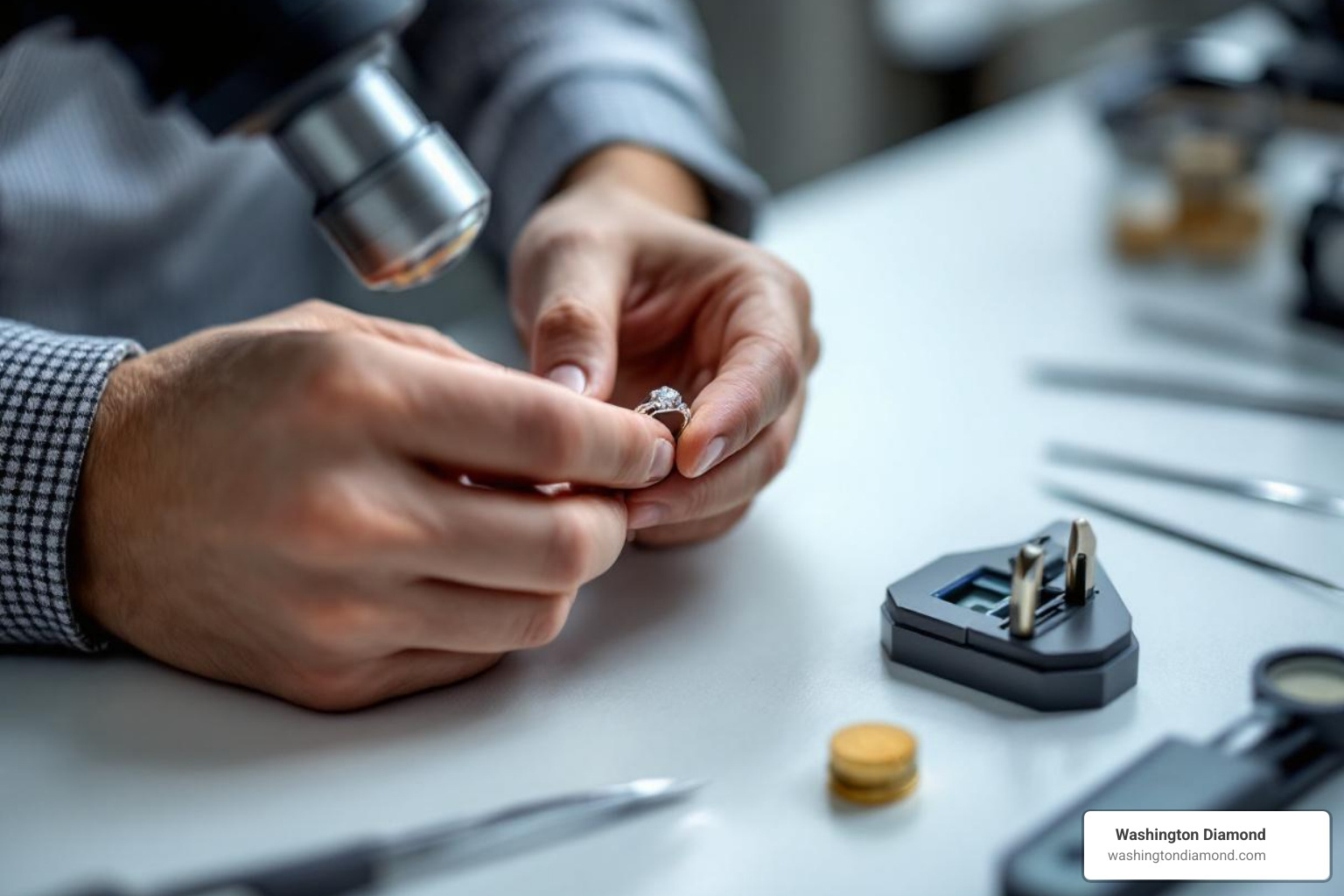
An independent jewelry appraiser is a certified professional who provides unbiased valuations of jewelry without buying or selling pieces themselves, ensuring conflict-free assessments for insurance, estate planning, or resale purposes.
Quick Guide to Finding an Independent Jewelry Appraiser:
- Look for key credentials - Graduate Gemologist (GIA G.G.) or equivalent gemological training
- Verify professional memberships - National Association of Jewelry Appraisers (NAJA), American Gem Society (AGS), or International Society of Appraisers (ISA)
- Confirm independence - They should NOT buy or sell jewelry (look for ICGA designation)
- Check USPAP compliance - Ensures adherence to professional appraisal standards
- Request references - Ask about experience with your specific appraisal needs
Whether you're insuring an engagement ring, settling an estate, or simply curious about your grandmother's heirloom necklace, knowing the true value of your jewelry is crucial. But here's the catch: not all appraisers are created equal.
A jewelry appraisal might seem straightforward, but it's actually a complex document that can mean the difference between adequate insurance coverage and financial loss. As one industry expert notes, there are currently no U.S. laws or regulations that set educational standards or require certifications to become a jewelry appraiser. This means anyone can technically hang a shingle and call themselves an appraiser.
That's where an independent jewelry appraiser becomes your most valuable ally. Unlike retail jewelers who may have a vested interest in inflating values or pushing sales, independent appraisers work solely for you. They don't buy or sell jewelry, which means their only job is to provide an honest, accurate assessment of what your pieces are truly worth.
This guide will walk you through everything you need to know about finding and working with an independent jewelry appraiser. You'll learn what credentials to demand, how the appraisal process works, and why the purpose of your appraisal dramatically affects the value assigned to your jewelry.
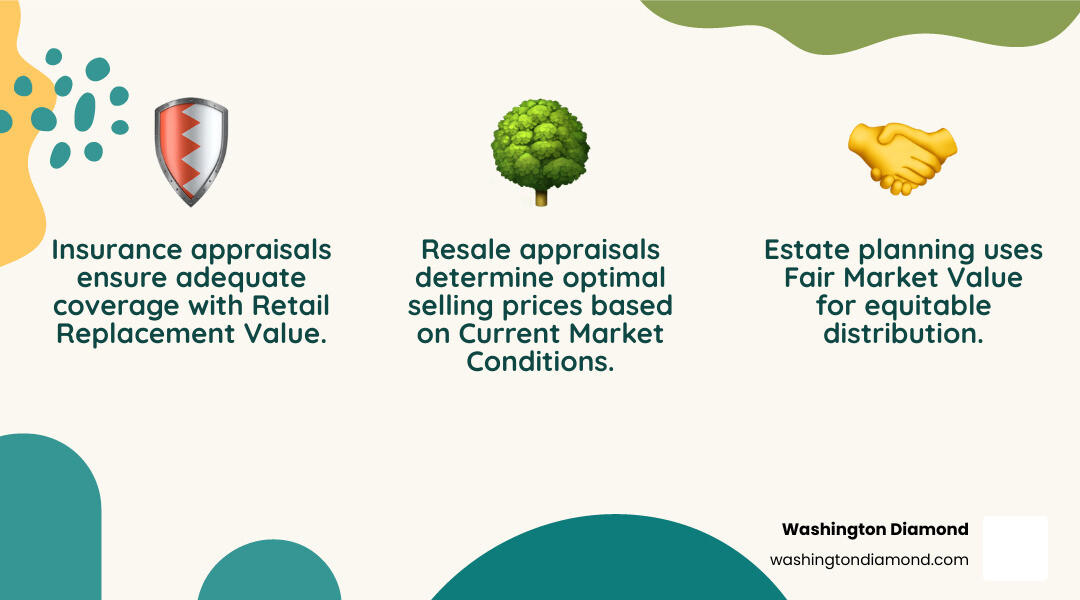
Independent jewelry appraiser terminology:
What is an Independent Jewelry Appraiser? The Key to Unbiased Valuations
When we talk about an independent jewelry appraiser, we're referring to a professional who operates with complete impartiality. Their primary distinction, and perhaps their most valuable asset to you, is that they do not engage in the buying or selling of diamonds, gemstones, or jewelry. This fundamental separation from sales ensures that their valuations are purely objective and free from any potential conflicts of interest.
Think of it this way: a retail jeweler, while knowledgeable, might inadvertently—or even purposefully—inflate an appraisal value to encourage a higher insurance premium (which benefits the store if they are also the preferred replacement vendor) or to make a new purchase seem like a better deal. An independent jewelry appraiser, on the other hand, has no such incentive. Their reputation hinges entirely on the accuracy and honesty of their assessments.
This dedication to unbiased valuation is so crucial that organizations like the American Gem Society (AGS) offer specific designations like the Independent Certified Gemologist Appraiser (ICGA). This title signifies not only advanced gemological and appraisal education but also a strict adherence to ethical guidelines that prohibit buying or selling jewelry. This ensures that when you seek an appraisal from an ICGA, you're receiving a valuation based solely on the item's intrinsic characteristics and current market conditions, not on a potential sales commission.
The role of an independent jewelry appraiser is to provide an objective analysis of your jewelry. They use specialized knowledge, gemological equipment, and current market data to determine a fair and accurate value for your pieces, irrespective of whether you plan to keep, sell, or insure them. This gives you invaluable peace of mind, knowing that the assessment you receive is truly for your benefit, serving your needs without any hidden agenda.
Why Get a Jewelry Appraisal? Common Reasons and Triggers
You might be wondering why you'd even need a jewelry appraisal. The truth is, there are numerous practical and personal reasons why individuals seek out the expertise of an independent jewelry appraiser. Here are some of the most common triggers:
Insurance Coverage: This is, by far, the most prevalent reason for obtaining a jewelry appraisal. Most insurance companies require a detailed appraisal for high-value items before they will provide adequate coverage. Without an up-to-date appraisal, you risk being under-insured in the event of loss, theft, or damage. An insurance appraisal reflects the realistic cost of replacing an item in a jewelry store that regularly sells similar pieces. We often guide our clients in Northern Virginia on the importance of these appraisals, highlighting how they unlock value: expert jewelry appraisal services in DC.
Estate Planning and Probate: When a loved one passes away, their jewelry becomes part of their estate. For estate tax purposes, equitable distribution among heirs, or probate, an appraisal is essential to determine the "fair market value" of the pieces at the time of death. This ensures a transparent and legally compliant division of assets.
Divorce Settlements and Equitable Distribution: In cases of divorce, jewelry often represents significant marital assets. An independent jewelry appraiser can provide an unbiased valuation to help ensure an equitable distribution of property between divorcing parties. This avoids disputes and provides a fair basis for settlement.
Charitable Donations: If you plan to donate a valuable piece of jewelry to a charity, the IRS typically requires an appraisal to determine the item's fair market value for tax deduction purposes.
Pre-Purchase Authentication: Before making a significant jewelry purchase, especially from private sellers or online, a pre-purchase appraisal can be a wise investment. An independent jewelry appraiser can authenticate the piece, verify its characteristics, and confirm its value, ensuring you're getting exactly what you pay for. This is particularly useful for antique or unique items.
Resale Purposes: If you're considering selling your jewelry, an appraisal can help you understand its true market value. While a resale value will differ from an insurance value, knowing an accurate appraisal can empower you during negotiations and ensure you receive a fair price.
Personal Curiosity and Peace of Mind: Sometimes, you simply want to know more about a cherished family heirloom. What are its components? What's its history? What is it truly worth? An appraisal can answer these questions, providing detailed documentation and valuable insights into your treasured possessions.
Decoding the Dollars: How Appraisal Purpose Dictates Value
It’s a common misconception that a piece of jewelry has one static "value." In reality, the monetary figure assigned to your jewelry isn't absolute; it's highly dependent on the purpose of the appraisal. An independent jewelry appraiser understands that different scenarios require different valuation methodologies.
The value of your jewelry can fluctuate based on market conditions, the rarity of its components, and even the current trends in the industry. But more fundamentally, the "value" itself changes depending on why you need the appraisal. This is a critical concept to grasp, as a valuation for insurance will differ significantly from one for a quick sale.
Here's a breakdown of how the purpose affects the outcome and valuation:
| Appraisal Type | Purpose enormous.
The Expert's Checklist: Credentials and Qualifications to Demand
Given that the jewelry appraisal industry is largely unregulated at a federal level, exercising due diligence when selecting an appraiser is paramount. We believe it's vital for you to look for specific credentials, professional affiliations, and a commitment to ongoing education. This ensures you're working with an expert who adheres to the highest standards of practice.
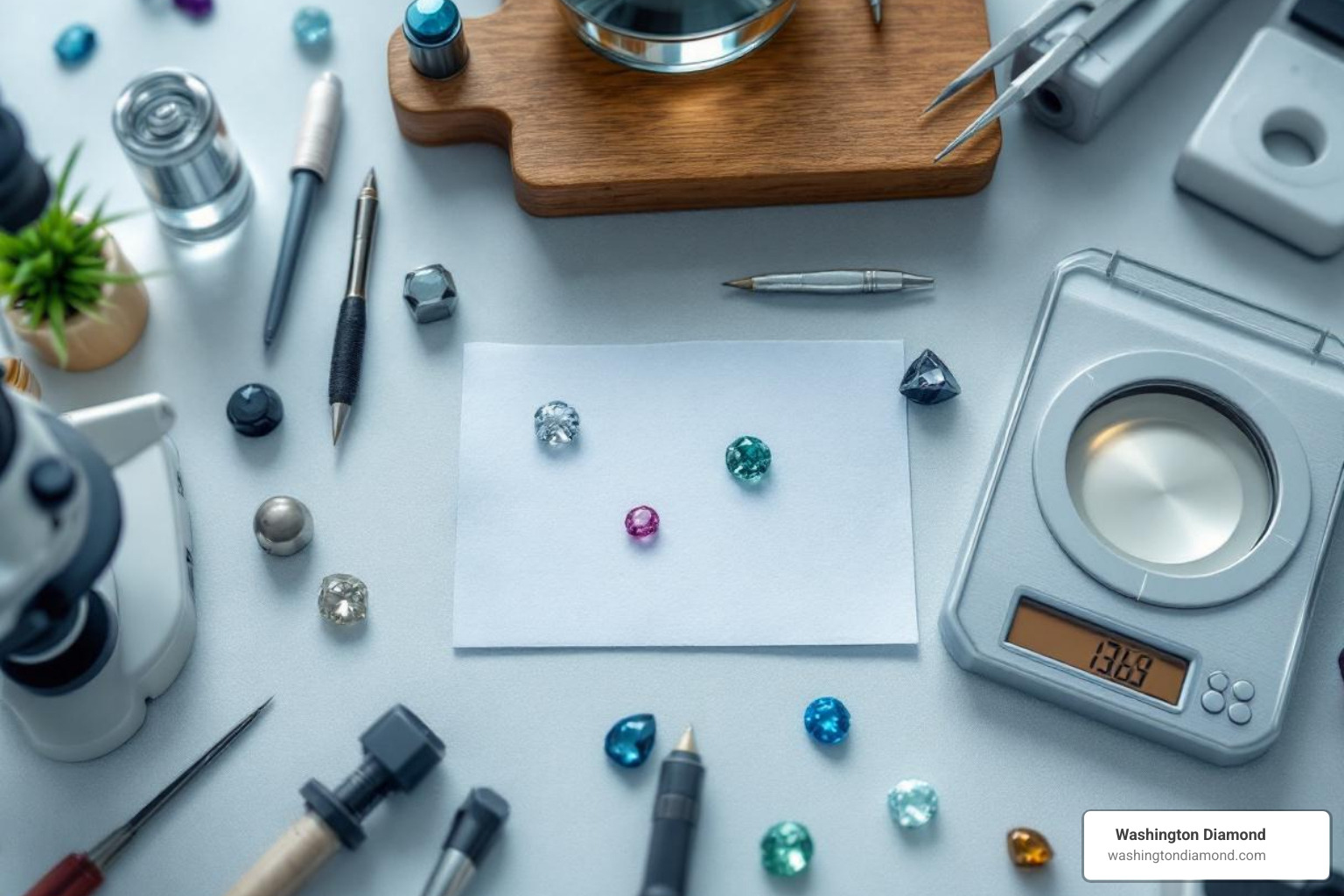
Gemological Credentials
The foundation of any reputable independent jewelry appraiser is strong gemological training. Without the ability to accurately identify, grade, and understand the characteristics of gemstones, a valuation cannot be reliable.
- GIA Graduate Gemologist (G.G.): A diploma from the Gemological Institute of America (GIA) as a Graduate Gemologist (G.G.) is widely considered the minimum gemological training required for a qualified jewelry appraiser. This extensive program covers diamonds and colored stones, providing a deep understanding of their properties, grading, and identification.
- FGA (Fellow of the Gemmological Association of Great Britain): Similar to the GIA G.G., the FGA designation is another highly respected international gemological qualification that signifies expert knowledge in gem identification and grading.
- Understanding the 4 Cs: A skilled appraiser will not just list the 4 Cs (Carat, Color, Clarity, Cut) for diamonds, but will carefully assess each factor, explaining how they contribute to the stone's overall quality and value. They'll also be adept at identifying and evaluating other precious gemstones, metals, and the craftsmanship of the piece itself.
Appraisal Certifications and Associations
Beyond gemological expertise, an independent jewelry appraiser should also possess specific appraisal certifications and memberships in recognized professional organizations. These affiliations demonstrate a commitment to ethical conduct and standardized appraisal practices.
- National Association of Jewelry Appraisers (NAJA): Membership in NAJA is a strong indicator of a professional appraiser. NAJA members adhere to a strict code of ethics and professional standards, providing assurance of quality and impartiality. Our research shows that professionals like JEM Logics Inc. maintain a NAJA Accredited Gemological Laboratory and conform to their code of ethics.
- American Gem Society (AGS): The AGS offers highly regarded titles such as Certified Gemologist Appraiser (CGA) and Independent Certified Gemologist Appraiser (ICGA). Earning these requires a diploma in gemology, advanced education, and experience in valuing gemstones and jewelry, along with annual recertification exams. Crucially, ICGA members specifically do not buy or sell jewelry, reinforcing their unbiased position. The AGS emphasizes that there's no better source for fair and accurate appraisals than their members. You can use their resources to find a jewelry appraiser in your area.
- International Society of Appraisers (ISA): The ISA is another prominent organization offering rigorous training and certifications. The Certified Appraiser of Personal Property (CAPP) designation from ISA signifies the highest level of accreditation. These appraisers are often recognized as IRS-qualified for personal property.
- USPAP Compliance: The Uniform Standards of Professional Appraisal Practice (USPAP) are the generally accepted ethical and performance standards for the appraisal profession in the United States. A truly qualified independent jewelry appraiser will be USPAP compliant, meaning their appraisal reports follow these rigorous guidelines for consistency, credibility, and ethics. This is particularly important for appraisals intended for legal or tax purposes.
Ethical and Legal Standards
The integrity of an appraisal hinges on the appraiser's adherence to strict ethical and legal guidelines. We insist that any appraiser you choose must operate with the utmost honesty.
- Federal Trade Commission (FTC) guidelines: The FTC has guidelines for the jewelry industry, which include prohibitions against inflating values. Intentionally over-valuing items on appraisals is considered illegal under these guidelines and unethical by all nationally recognized appraisal organizations. The value assigned should not be inflated beyond what is considered a fair retail selling price.
- Adherence to a code of ethics: Reputable appraisal associations, like those mentioned above, have stringent codes of ethics that members must follow. This includes requirements for impartiality, confidentiality, and professional conduct.
- Unbiased reporting: The core of an independent jewelry appraiser's work is to provide an unbiased report. This means their opinion of value is based solely on objective analysis, market research, and their expert knowledge, free from any external influences or personal gain.
Inside the Loupe: A Step-by-Step Guide to the Appraisal Process
Once you've identified a qualified independent jewelry appraiser, understanding the appraisal process will help you feel more comfortable and prepared. It's more than just handing over your jewelry and getting a number back; it's a meticulous examination that results in a comprehensive document.
A professional appraisal process should be transparent, detailed, and educational. It often involves the use of specialized gemological equipment and culminates in a formal report. An appraisal is a snapshot in time; we recommend updating your appraisals every 3-5 years, or sooner if there are significant market fluctuations or changes to your jewelry.
What to Expect During Your Appointment
When you bring your cherished pieces to an independent jewelry appraiser in Northern Virginia, you should anticipate a thorough and engaging experience.
- Initial Consultation: The process often begins with a discussion about your needs and the specific purpose of the appraisal. This is crucial because, as we've discussed, the purpose directly influences the type of value determined.
- 'While-You-Watch' Services: Many independent appraisers, understanding the sentimental and monetary value of your items, offer "while-you-watch" or client-participatory appraisal services. This means your jewelry never leaves your sight. You can observe the entire examination process, ask questions, and learn about your pieces firsthand. This transparency fosters trust and provides an invaluable educational experience.
-
Examination and Testing: The appraiser will carefully examine each piece using professional gemological tools. This includes:
- Gem Identification: Determining the type of gemstone (e.g., natural diamond, lab-grown diamond, sapphire, emerald). Screening services to identify natural and lab-grown diamonds are now common.
- Grading: Assessing the quality of gemstones (e.g., the 4 Cs for diamonds, color and clarity for colored stones).
- Metal Analysis: Identifying the type of precious metal (gold, platinum, silver) and its purity (e.g., 14K, 18K).
- Measurements and Weight: Precisely measuring dimensions and weighing the item.
- Condition Assessment: Noting any damage, wear, or unique characteristics.
- Photography: High-quality digital images of your jewelry are typically taken to accompany the appraisal report.
- Client Participation and Education: A good independent jewelry appraiser will encourage your participation, answer your questions, and explain their findings throughout the process. This educational aspect is a key benefit of choosing an independent expert.
Understanding the Appraisal Report
The end product of the appraisal process is a formal, bound document—your appraisal report. This isn't just a simple value statement; it's a comprehensive record of your jewelry.
- Detailed Description: The report will include an exhaustive description of each item, covering visible, measurable, and analyzable facts such as weight, materials, and any distinguishing markings. It will also detail subjective features like gemstone quality, rarity, and overall manufacturing quality.
- Metal and Gemstone Verification: Confirmation of metal type and purity, along with a full analysis of any gemstones, including their type, dimensions, weight, color, clarity, and cut.
- Photos and Diagrams: Clear digital images of your jewelry, and sometimes diagrams (especially for diamonds 0.95 ct and above, showing a clarity plot), are included for visual identification.
- Stated Value and Purpose: Crucially, the report will clearly state the determined value (e.g., Insurance Replacement Value, Fair Market Value) and the specific purpose for which the appraisal was conducted.
- Appraiser's Qualifications: The report will typically include the appraiser's credentials, demonstrating their expertise and the credibility of the valuation.
- Official Seal or Signature: The document will bear the appraiser's official signature or seal, authenticating the report.
The Cost and Timeline for an independent jewelry appraiser
The cost of a jewelry appraisal can vary, but it's important to understand that a reputable independent jewelry appraiser typically charges by the hour or a flat fee per item, not as a percentage of the jewelry's value. Charging a percentage of value is considered unethical by most professional organizations as it creates a conflict of interest and an incentive to inflate the value.
- Hourly vs. Per-Piece Fees: Many appraisers charge an hourly rate, especially for complex or multiple items. Simpler, single items might have a flat fee. We encourage our clients to review our guide on don't get ring ripped off: your guide to appraisal costs to understand what to expect.
- Factors Influencing Cost: The cost will depend on the complexity of the piece (e.g., a simple diamond solitaire versus an antique piece with multiple gemstones and intricate settings), the rarity of the materials, the amount of research required, and the appraiser's experience and credentials.
- Turnaround Time: While some "while-you-watch" services can provide a report immediately, others may require a few days or weeks, especially for detailed reports or if extensive research is needed. Be sure to discuss the expected timeline upfront.
- Updating Appraisals: Jewelry values fluctuate due to market changes, economic conditions, and even the availability of certain materials. Therefore, we highly recommend updating your appraisals every 3-5 years. This ensures your insurance coverage remains adequate and that any valuation for estate planning or resale reflects current market realities.
Frequently Asked Questions about Jewelry Appraisals
We often encounter similar questions from our clients about jewelry appraisals. Here are some of the most common ones we address:
Is an appraisal the same as a GIA grading report?
No, an appraisal is distinctly different from a GIA (Gemological Institute of America) grading report.
- GIA Grading Report: This document, issued by a major gemological laboratory like GIA, provides an objective assessment of a gemstone's quality characteristics (ee.g., the 4 Cs for a diamond). It describes the stone's attributes without assigning any monetary value. It's a scientific analysis of the gem itself.
- Jewelry Appraisal: An appraisal is a document that describes an item, assesses its relative quality, and provides an opinion of value for a specific purpose (e.g., insurance replacement, fair market value). It incorporates the gemological characteristics (which might be informed by a grading report) but also considers factors like the setting, craftsmanship, market conditions, and the intended use of the valuation.
While a GIA grading report can be a valuable tool that an appraiser uses to inform their valuation, it is not an appraisal itself.
How do I find a qualified independent jewelry appraiser?
Finding a qualified independent jewelry appraiser in Northern Virginia requires a bit of research, but it's well worth the effort to ensure you get an accurate and unbiased valuation.
- Use Directories from Professional Organizations: Start by checking the online directories of reputable appraisal associations. The National Association of Jewelry Appraisers (NAJA) and the American Gem Society (AGS) both offer search tools to help you locate certified professionals in your area.
- Ask for Referrals: We often recommend asking for referrals from trusted sources, such as your insurance agent, estate attorney, or even a reputable jeweler you trust (who might not offer independent appraisal services themselves but can point you to one).
- Vet Candidates Thoroughly: Once you have a few names, contact them and ask about their credentials, experience, and fee structure. Inquire if they are USPAP compliant and if they offer "while-you-watch" services. A professional appraiser should be transparent about their qualifications and process. For general guidance on local services, you can also refer to resources like our guide on from antique to resized: your ultimate guide to DC jewelry services.
Can I get a jewelry appraisal online?
While the digital age offers many conveniences, getting a reliable jewelry appraisal online without a physical inspection is generally not recommended for high-value or complex pieces.
- Physical Inspection is Crucial: A truly accurate appraisal requires a qualified professional to physically examine the item. This involves using specialized gemological tools to identify gemstones, measure dimensions, assess craftsmanship, detect treatments or improvements, and note any wear or damage. These critical details cannot be accurately determined from photographs alone.
- Technology Can Assist, But Not Replace: While technology can assist appraisers with market research or even some preliminary identification, it cannot replace the trained eye and hands-on expertise of a gemologist. For a reliable and defensible appraisal, especially for insurance or legal purposes, an in-person examination by a qualified independent jewelry appraiser remains the gold standard.
Conclusion
Navigating jewelry appraisals can seem complex, but understanding the role of an independent jewelry appraiser simplifies the process significantly. We've seen that their independence ensures unbiased value, providing you with an objective assessment free from conflicts of interest.
Credentials are non-negotiable. Always seek out appraisers with recognized gemological training (like a GIA G.G.) and affiliations with reputable appraisal organizations (such as NAJA, AGS, or ISA), along with USPAP compliance. These qualifications are your assurance of expertise and ethical practice.
Most importantly, the purpose of your appraisal is paramount. Whether it's for insurance, estate planning, or resale, clearly communicating your needs to your appraiser will dictate the appropriate valuation methodology and ensure the report serves its intended function.
Protecting your valuable jewelry assets means having professional, accurate, and unbiased documentation. At Washington Diamond, we are committed to providing our clients with the expertise and transparency needed to make informed decisions about their cherished pieces. We encourage you to take the proactive step of securing a professional appraisal.
Want to learn more about the intrinsic value of your gems? Calculate the value of a diamond before you buy or sell with our resources, and let us help you understand the true worth of your investments.
From the blog
View all


